
John Bunyan — English Puritan preacher and author of The Pilgrim's Progress
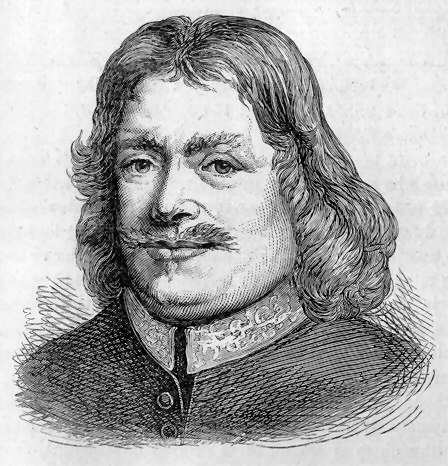
John Bunyan (1628–1688), English Puritan preacher and writer, best known for the allegory The Pilgrim's Progress; influential in Protestant devotional literature and popular English prose.
Overview
John Bunyan was a 17th‑century English preacher and writer whose best‑known work, The Pilgrim's Progress, became a central text in Protestant devotional life and popular English literature. Born in 1628 near Bedford and dying in London in 1688, Bunyan combined plainspoken prose with intense religious conviction. He wrote for ordinary readers, using allegory and narrative to make theological ideas concrete and memorable. His writings enjoyed wide circulation in English and in translation, and his influence reached sermons, catechisms, stage and screen adaptations, and the vocabulary of English religious discourse.
Image gallery
10 Images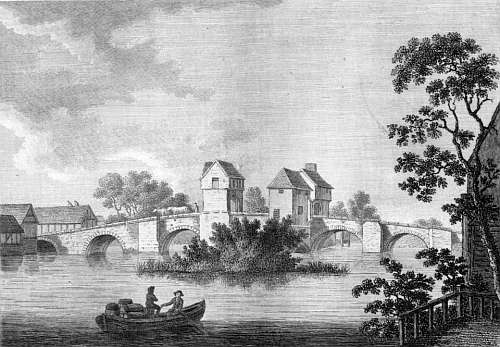


Early life and background
Bunyan came from a modest background and received limited formal education. He worked at trades common to his social class and, like many of his contemporaries, experienced the upheavals of the English Civil War and the Restoration. These conflicts shaped the religious and political environment in which he lived. Bunyan's early life and conversion experience informed the autobiographical elements of his later devotional writing.
Ministry, nonconformity and imprisonment
As a nonconformist preacher Bunyan refused to submit to all the practices required by the restored Church of England and he held religious meetings outside the established church. Because of laws restricting unlicensed preaching and dissenting worship, he was arrested and imprisoned on more than one occasion. While confined he continued to preach and to write; the circumstances of confinement provided the setting in which he composed or began several of his most important works. His experience illustrates the limited religious freedoms available to Nonconformists in 17th‑century England.
The Pilgrim's Progress and other major works
The Pilgrim's Progress is an extended allegory that depicts the spiritual journey of its protagonist, Christian, from the "City of Destruction" toward the "Celestial City." The narrative populates the route with vividly named places and personified characters—such as the Slough of Despond, the Interpreter, Vanity Fair and Apollyon—that represent temptations, supports and trials of the Christian life. The work exists in two parts and later expands the story to follow Christian's companions, including Christiana. Bunyan's other notable works include Grace Abounding to the Chief of Sinners, a candid spiritual autobiography; The Life and Death of Mr. Badman, a moral narrative; and The Holy War, another allegorical treatment of spiritual conflict.
Themes and style
Bunyan's writing stresses repentance, faith, perseverance and the centrality of divine grace. Stylistically he favored the vernacular and an immediate, rhetorical style aimed at moving and instructing ordinary readers rather than exhibiting learned display. His use of allegory and personification turned abstract theological ideas into concrete episodes and characters, and his dialogue and episodic structure contributed to the enduring readability of his tales.
Reception, translations and influence
The Pilgrim's Progress has been reprinted, translated and adapted continuously since the 17th century. It is often described, cautiously, as one of the most widely translated English works and has sometimes been ranked, in popular claims, immediately after the Bible in the number of languages into which it has been rendered. The book has been adapted for stage and screen, simplified for children's editions, illustrated in many styles, and used extensively in religious instruction across Protestant traditions. Bunyan's plain style and his gift for narrative allegory influenced the development of popular religious prose and later writers interested in spiritual autobiography and moral fiction.
Legacy and sites
Bunyan's life and work have been commemorated in prints, memorials and museums. His birthplace and the town in which he ministered have sites and exhibitions devoted to his life, while editions of his works remain in print and in digital collections. Scholars continue to study Bunyan for his theological importance, his literary craft, and his role in the social history of dissent in early modern England.
Further reading and resources
- Biographical overview and chronology
- Studies on Bunyan's preaching and ministry
- Background on 17th‑century religious politics
- Textual editions and annotated Pilgrim's Progress
- Illustrations and adaptations history
- Grace Abounding and other autobiographical works
- Critical essays on Bunyan's style and allegory
- Collections of sermons and devotional writings
- Audio and dramatic adaptations
- Translations and international reception
- Museums, memorials and sites associated with Bunyan
Note: This entry summarizes broadly known aspects of Bunyan's life and work. For detailed scholarly notes, manuscript evidence or contested chronological claims, consult specialist studies and critical editions linked above.
Questions and answers
Q: Who was John Bunyan?
A: John Bunyan was an English tinker, preacher and writer.
Q: What did John Bunyan write?
A: John Bunyan wrote a book called The Pilgrim's Progress.
Q: What is The Pilgrim's Progress about?
A: The Pilgrim's Progress is a story about a man who is trying to lead a good life as a Christian. It is an allegory where the characters in the story represent good things or bad things.
Q: What is significant about The Pilgrim's Progress?
A: The Pilgrim's Progress has been translated into more languages than any other book except the Bible.
Q: Why did John Bunyan end up in prison?
A: John Bunyan was arrested and put into prison because he did not agree with some of the things the Church of England said and started to preach about his ideas.
Q: What did John Bunyan do while he was in prison?
A: John Bunyan wrote The Pilgrim's Progress while he was in gaol (prison).
Q: What was the religious environment like when John Bunyan lived?
A: John Bunyan lived at a time when there was no religious freedom: everybody had to believe what the Church of England told them.
Related articles
Author
AlegsaOnline.com John Bunyan — English Puritan preacher and author of The Pilgrim's Progress Leandro Alegsa
URL: https://en.alegsaonline.com/art/50564