
John C. Portman Jr.
American architect and developer known for pioneering multi‑story interior atria and reshaping downtown Atlanta through large mixed‑use complexes and landmark hotels.
John C. Portman Jr. was an American architect and real estate developer celebrated for popularizing the multi‑storied interior atrium and for creating large mixed‑use urban complexes. He is often described as a neofuturistic architect because of his emphasis on monumental, sculptural interior spaces and dramatic structural forms. Portman combined architectural practice with property development, allowing him to control both design and program in many of his projects.
Image gallery
9 Images






Architectural approach and characteristics
Portman’s buildings are recognizable for vast interior volumes that turn inward, often capped by glass and surrounded by stacked balconies, walkways and public functions. These atria acted as concentrated, climate‑controlled urban places inside single buildings and became a recurring element in hotels and office towers worldwide. His work frequently emphasized circulation, visual drama, and the experience of interior public space over traditional street‑facing façades.
Major projects and examples
Portman’s practice produced numerous high‑profile developments that illustrate his ideas. Notable examples include:
- Hyatt Regency Atlanta — a landmark for modern atrium hotels that influenced later hospitality design.
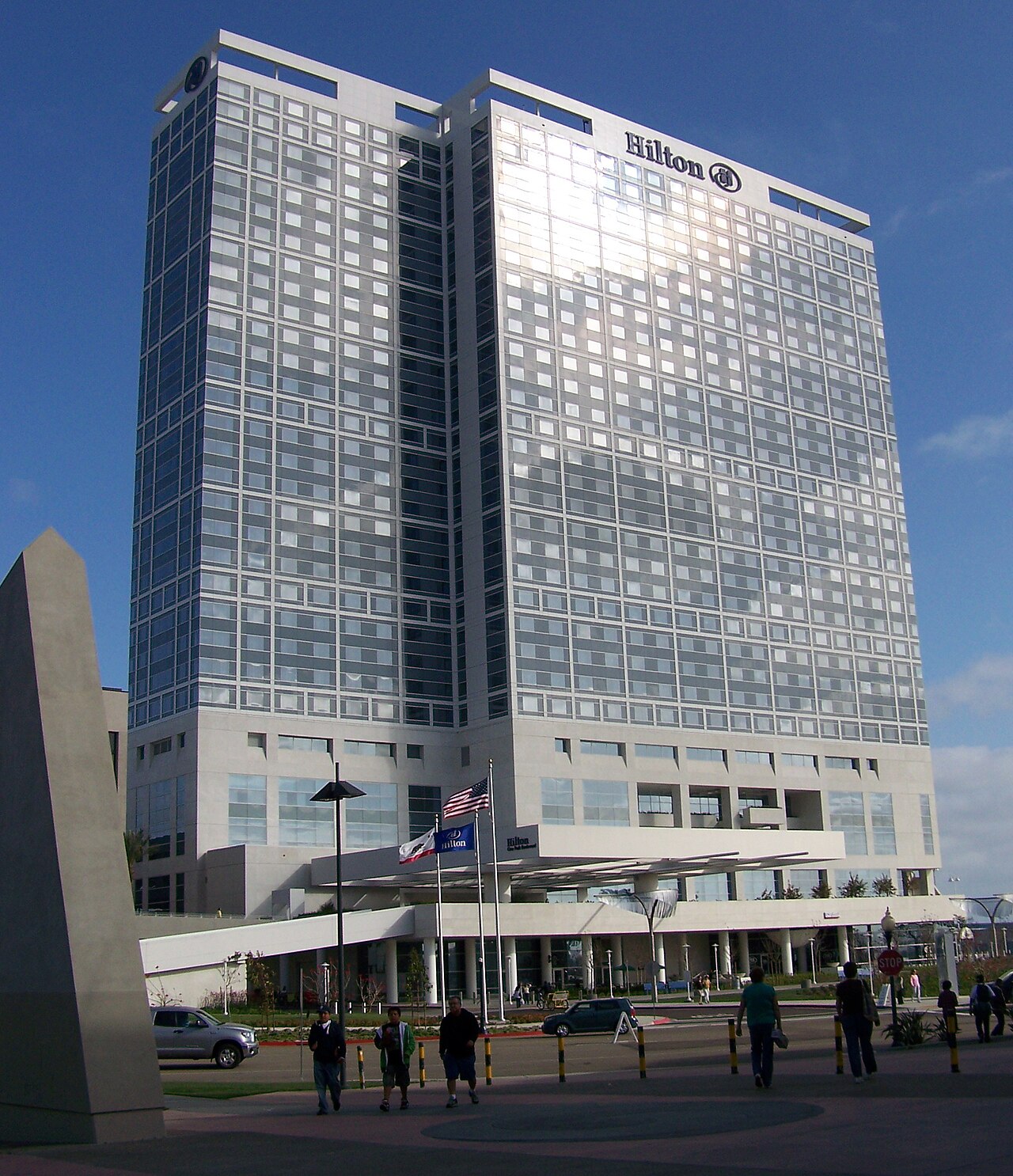
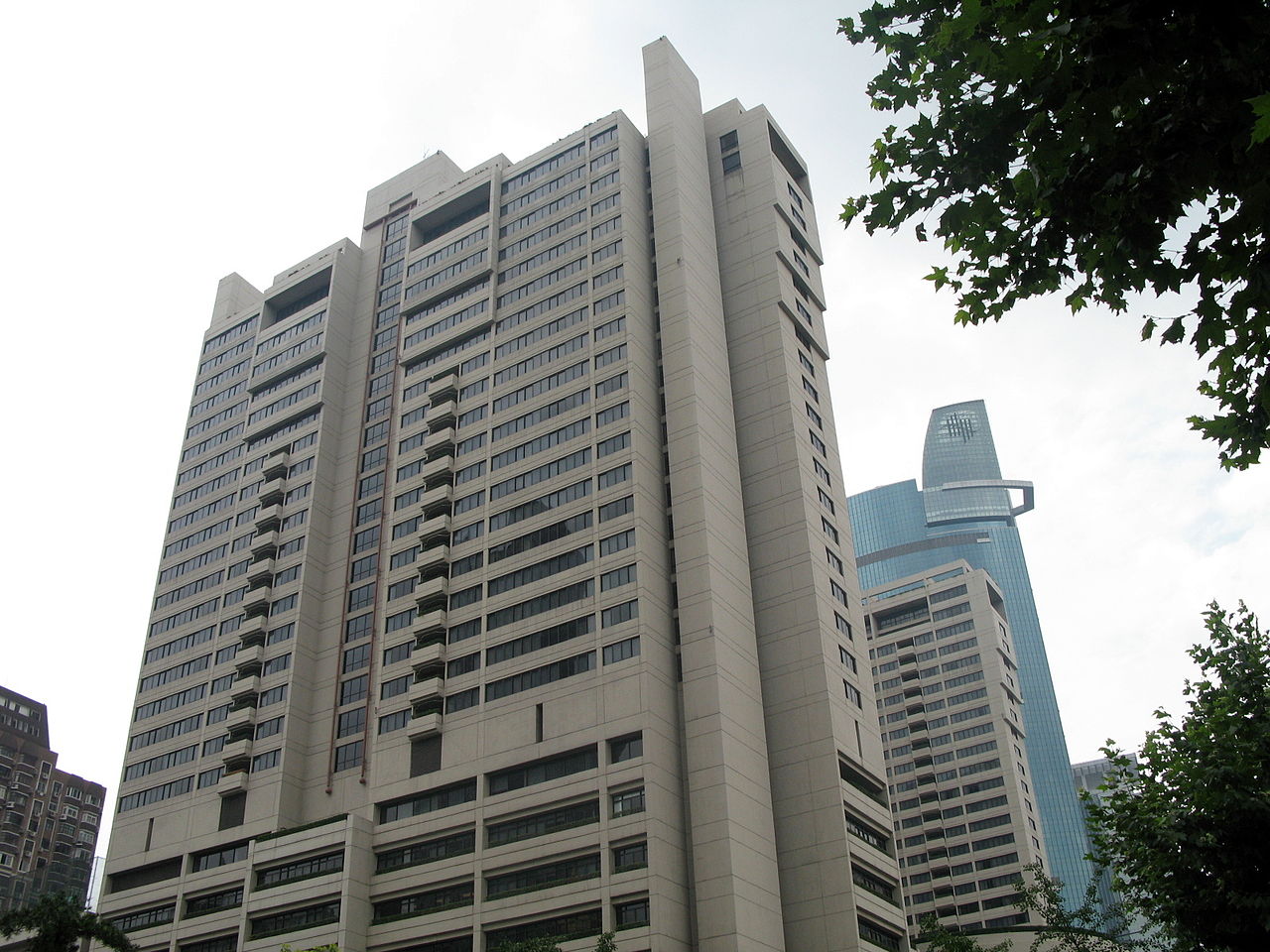
- Peachtree Center — a large downtown Atlanta complex of offices, hotels and retail that helped reshape the city core.
- Embarcadero Center and other urban complexes that blend commercial program with pedestrian circulation.
- Several signature hotels and civic projects whose interiors prioritize monumental communal spaces.
Development, influence and reception
Because he served as both architect and developer, Portman could realize ambitious, fully integrated schemes that many architects alone could not. His projects have been both praised for revitalizing downtowns and criticized for prioritizing interiorized environments over enlivening street life. Regardless, his influence is clear: atrium hotels and mixed‑use towers became standard models for urban redevelopment in the late 20th century.
Legacy and biography
Born in Walhalla, Walhalla, in South Carolina, Portman went on to shape the skyline and civic fabric of his adopted city of Atlanta and many other urban centers. His buildings remain prominent examples of late modern and neofuturist architecture and continue to be studied for their spatial innovation and programmatic integration. Portman died in Atlanta at age 93; reports state he passed of heart failure on December 29, 2017 (obituary).
Related articles
Author
AlegsaOnline.com John C. Portman Jr. Leandro Alegsa
URL: https://en.alegsaonline.com/art/50572
Sources
- ajc.com : "John Portman dies at 93"