
Joan Blondell: American film and television actress
Joan Blondell (1906–1979) was a prolific American actress known for her wisecracking screen persona in 1930s Warner Bros. films and a durable career in movies and television lasting nearly fifty years.
Overview
Joan Rosebud Blondell was an American actress whose career spanned stage, film and television for almost five decades. She became widely recognized in the early sound era for a bright, quick-witted style that suited the working‑class comedies and musicals of the 1930s, and later adapted to character and supporting roles as the studio system changed.
Image gallery
6 Images

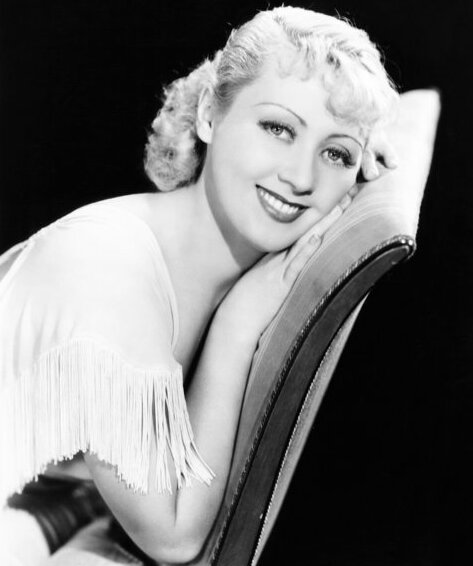


Early life and rise
Born on August 30, 1906 in New York City, Blondell started performing in vaudeville and on the stage before moving into films. Her naturalism, comic timing and approachable persona made her a favorite at Warner Bros., where she built a string of popular roles during the Depression era. Her sister, Gloria Blondell, also pursued acting, and the siblings remained part of the entertainment world for many years.
Career and screen persona
Blondell was often cast as a wisecracking, independent woman — an archetype that fit the fast-talking scripts and urban settings common in early 1930s talkies. She appeared in numerous movies for the major studios and later moved fluidly into recurring and guest roles on television. As she aged, Blondell shifted from leading lady parts into strong supporting performances that demonstrated range beyond her comic roots.
Selected works
- Kansas City Princess — role: Rosie Sturges (featured example in her 1930s output)
- Miss Pacific Fleet — role: Gloria Fay (another studio comedy listed among her credits)
- Gold Diggers of 1933 — an ensemble musical that showcased the era's screen personalities
- The Blue Veil (1951) — a later performance that earned critical notice and an Academy Award nomination for Best Supporting Actress
Personal life, later years and death
Blondell continued to work into television's expanding decades, appearing in series and made-for-TV projects while returning to the stage on occasion. She died on December 25, 1979 in Santa Monica, California from leukemia. Her longevity in both film and television left a record of versatility across changing entertainment forms.
Legacy and distinctions
Today Joan Blondell is remembered as a defining face of the pre-Code and early sound years: a performer whose rapid-fire delivery and warmth embodied a particular screen persona of the 1930s and who later proved adaptable as roles and media evolved. Film historians note her contribution to representations of working women on screen and her sustained professional presence through the studio era into television.
Related articles
Author
AlegsaOnline.com Joan Blondell: American film and television actress Leandro Alegsa
URL: https://en.alegsaonline.com/art/50364