
Joan Benson — American clavichord and fortepiano performer and teacher
Joan Benson (1925–2020) was an American keyboard artist and educator known for her performances, recordings and teaching on the clavichord and fortepiano, and for promoting historical keyboard techniques.
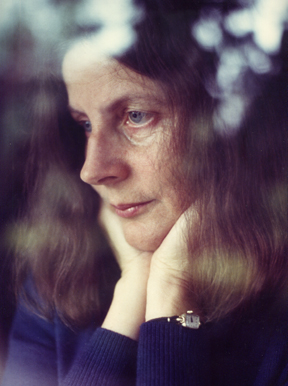
Overview
Joan Benson (October 9, 1925 – January 1, 2020) was an American keyboard musician and teacher who specialized in historical instruments, especially the clavichord and the fortepiano. Born in Saint Paul, Minnesota, she developed a reputation for intimate, expressive performances and a deep interest in the techniques and repertory of early keyboard music. She lived and worked for many years in Oregon, where she also passed away in Eugene in 2020.
Image gallery
1 Image
Instruments and musical approach
The clavichord and fortepiano require a different touch and aesthetic than the modern piano. Benson emphasized subtle articulation, dynamic nuance and historical phrasing suited to these instruments. Characteristics she highlighted included:
- Clavichord: very intimate sound, direct connection between finger and string, capacity for delicate pitch inflection.
- Fortepiano: lighter action and clearer articulation than the modern piano, historically appropriate for Classical-era repertoire.
Teaching and career
Her academic appointments included a period teaching at Stanford University from 1968 to 1976, after which she joined the faculty at the University of Oregon in Eugene, teaching there until 1987. Beyond university posts, Benson gave recitals, workshops and master classes that introduced students and audiences to historical performance practice and to the particular expressive possibilities of early keyboards.
Recordings, legacy and significance
Benson left a legacy as both a performer and a pedagogue. She made recordings and produced educational materials that helped revive interest in the clavichord and fortepiano during the 20th century historic-performance movement. Her work is often cited by students and scholars interested in authentic techniques and the interpretive choices required by period instruments.
Notable facts
While best known for early keyboard instruments, Benson’s influence extended to broader conversations about touch, phrasing and historical awareness on keyboard instruments. Her teaching career spanned public universities and private instruction, and she remained active in performance and scholarship well into later life.
Related articles
Author
AlegsaOnline.com Joan Benson — American clavichord and fortepiano performer and teacher Leandro Alegsa
URL: https://en.alegsaonline.com/art/50363
Sources
- oxfordmusiconline.com : "Benson, Joan"
- legacy.com : "Joan Benson Obituary – Eugene, Oregon"
- slippedisc.com : "Death of leading US clavichordist, 94"
- worldcat.org : "Joan Benson, Clavichord"
- worldcat.org : 16959600
- worldcat.org : "Music of C. P. E. Bach"
- worldcat.org : 3531828
- worldcat.org : "Works of Haydn and Pasquini"
- worldcat.org : 8970132
- worldcat.org : "Clavichord Music of Johann Kuhnau and C. P. E. Bach"
- worldcat.org : 20440485
- allmusic.com : "The Clavichord: Music of Johann Kuhnau and C. P. E. Bach: 18th Century"
- scholarship.claremont.edu : "Clavichord for Beginners by Joan Benson"
- doi.org : 10.5642/perfpr.201520.01.02