
Java Sea — shallow tropical sea on the Sunda Shelf
A shallow inland sea on the Sunda Shelf between Borneo, Java, Sumatra and Sulawesi. Rich in biodiversity and fisheries, important for shipping and tourism, and noted for World War II naval history.
Overview
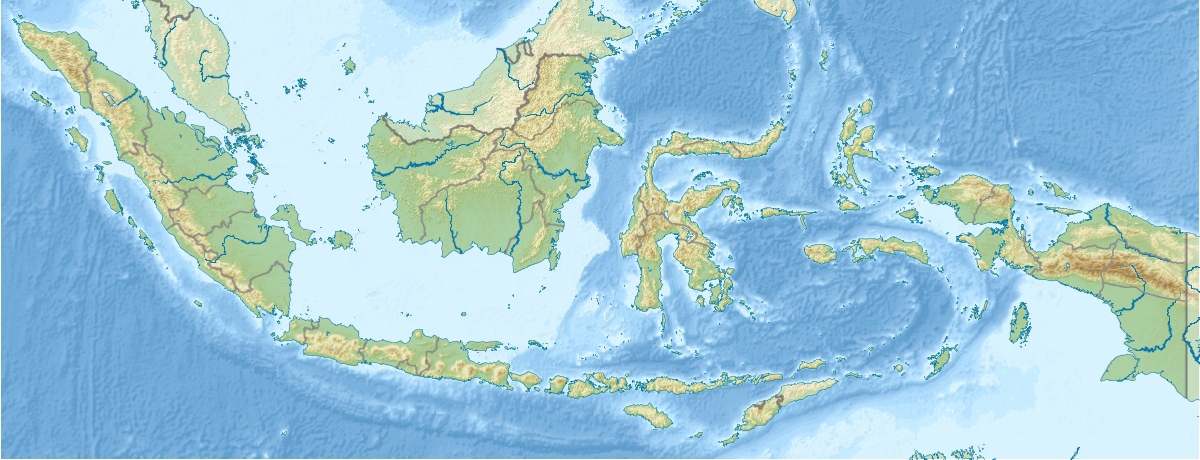
The Java Sea is a broad, shallow tropical sea on the Sunda Shelf in Southeast Asia, occupying roughly 320,000 km². Its present form resulted largely from post‑glacial sea‑level rise at the end of the last ice age (sea level rise), which flooded continental lowlands and created an extensive shallow shelf environment. The sea lies within the maritime geography of Indonesia and is bounded by the major islands of Borneo to the north, Java to the south, Sumatra to the west and Sulawesi to the east. To the northwest the Karimata Strait links the basin with the South China Sea.
Image gallery
6 Images



Geology and oceanography
The Java Sea is characterized by shallow depths, widespread banks, mudflats and sandbars that influence tides, currents and sediment transport. The shelf is part of a tectonically complex region where continental fragments, volcanic arcs and sedimentary basins interact. Shallow waters warm rapidly and are subject to monsoonal wind regimes that reverse surface currents seasonally; this affects nutrient distribution, primary productivity and fishing grounds.
Islands, reefs and habitats
Within the sea are numerous islands and archipelagos that provide coastal habitats and shelter for communities. Notable island groups include the Karimunjawa islands and the Thousand Islands north of Jakarta. Fringing reefs, patch reefs and seagrass beds occur in sheltered areas and support coral communities (coral), sponges and diverse invertebrate assemblages. These habitats are important nursery grounds for commercially valuable species.
Ecology and fisheries
The Java Sea is biologically productive and supports thousands of recorded marine species. Fisheries — both artisanal and commercial — target demersal and pelagic fish, shrimp and other seafood that are central to local diets and economies. Overfishing, destructive gear and habitat loss are ongoing management concerns. Sustainable practices and community-based management are increasingly promoted to maintain stocks and ecosystem services.
Conservation and management
Marine protected areas and national parks in and around the Java Sea aim to safeguard representative habitats and species while balancing livelihood needs. Protected areas such as Karimunjawa are managed for biodiversity conservation and tourism. Conservation priorities include restricting destructive fishing, restoring seagrass and coral habitats, reducing pollution from land‑based sources and adapting to climate impacts such as coral bleaching.
Human use: ports, shipping and tourism
The Java Sea is a busy maritime corridor linking ports on Java and other islands. Shipping lanes, ferries and fishing fleets share shallow waters, creating navigational complexity and the need for careful charting. Coastal communities derive income from fishing, aquaculture and tourism. Recreational diving and snorkeling attract visitors to wrecks, caverns and reef systems; popular dive activities include exploration of historic shipwrecks and reef photography (scuba diving).
History and cultural significance
The Java Sea has long been a conduit for trade, migration and cultural exchange across the Indonesian archipelago. In modern history it was the scene of significant naval engagements in World War II. The Battle of the Java Sea in early 1942 is a notable engagement in which Allied vessels from the Netherlands, Australia and other partners confronted advancing Japanese forces. That battle had major consequences for regional control of sea lanes during the Pacific campaign.
Challenges and research
Key contemporary issues include managing fisheries sustainably, protecting coastal habitats from development and pollution, and monitoring climate impacts. Scientific research and monitoring programs focus on fisheries stock assessments, coral reef health, water quality and the interactions between human activities and marine ecosystems. Cooperation among national agencies, local communities and international partners is important for effective stewardship.
Notable facts
- The sea’s shallow shelf environment makes it both highly productive and sensitive to anthropogenic change.
- Islands and reefs support tourism, fisheries and cultural traditions along busy coastal zones.
- World War II naval events in the Java Sea remain subjects of historical study and maritime archaeology.
For further details on specific islands, ecological surveys or historical studies consult specialized literature and national maritime authorities. Information on sea levels, oceanography and conservation programs is available through scientific and governmental resources (sea level research, regional sea connections).
Related articles
Author
AlegsaOnline.com Java Sea — shallow tropical sea on the Sunda Shelf Leandro Alegsa
URL: https://en.alegsaonline.com/art/49637
Sources
- fieldmuseum.org : "Pleistocene Sea Level Maps"