
Borneo: island, biodiversity and shared sovereignties
Borneo is the world’s third-largest island, shared by Indonesia, Malaysia and Brunei. It is noted for vast rainforests, high biodiversity, diverse indigenous cultures and contemporary conservation and economic challenges.
Borneo is the world’s third-largest island and a central landmass in maritime Southeast Asia. Its size, climate and tropical forests support some of the planet’s richest biological diversity and complex ecosystems. The island’s interior, coastal plains and extensive river systems shape both natural patterns and human settlement.
Image gallery
10 Images
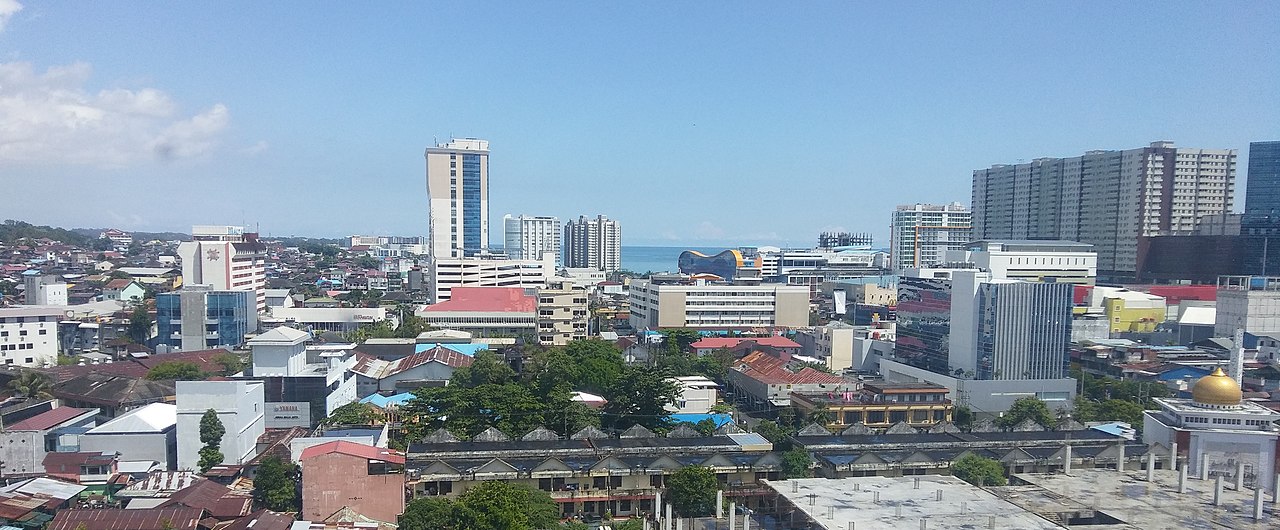




Geography and political divisions
Borneo is divided among three countries. The largest share belongs to Indonesia, where the islands’ Indonesian provinces are commonly referred to as Kalimantan. The northern part of the island is occupied by Malaysian states commonly called East Malaysia (Sabah and Sarawak) and by the small sovereign state of Brunei. The island’s position in maritime Southeast Asia is often noted in regional descriptions and maps (location reference) and its size is cited as that of the third-largest island in the world.
Natural environment and biodiversity
Borneo’s tropical rainforest contains many endemic species, including large mammals, birds and plants not found elsewhere. Lowland and montane forests, peat swamps and mangroves create varied habitats. Well-known examples include orangutans, Bornean pygmy elephants and unique tree species. These ecosystems have been studied for their ecological importance and carbon storage value.
History, peoples and cultures
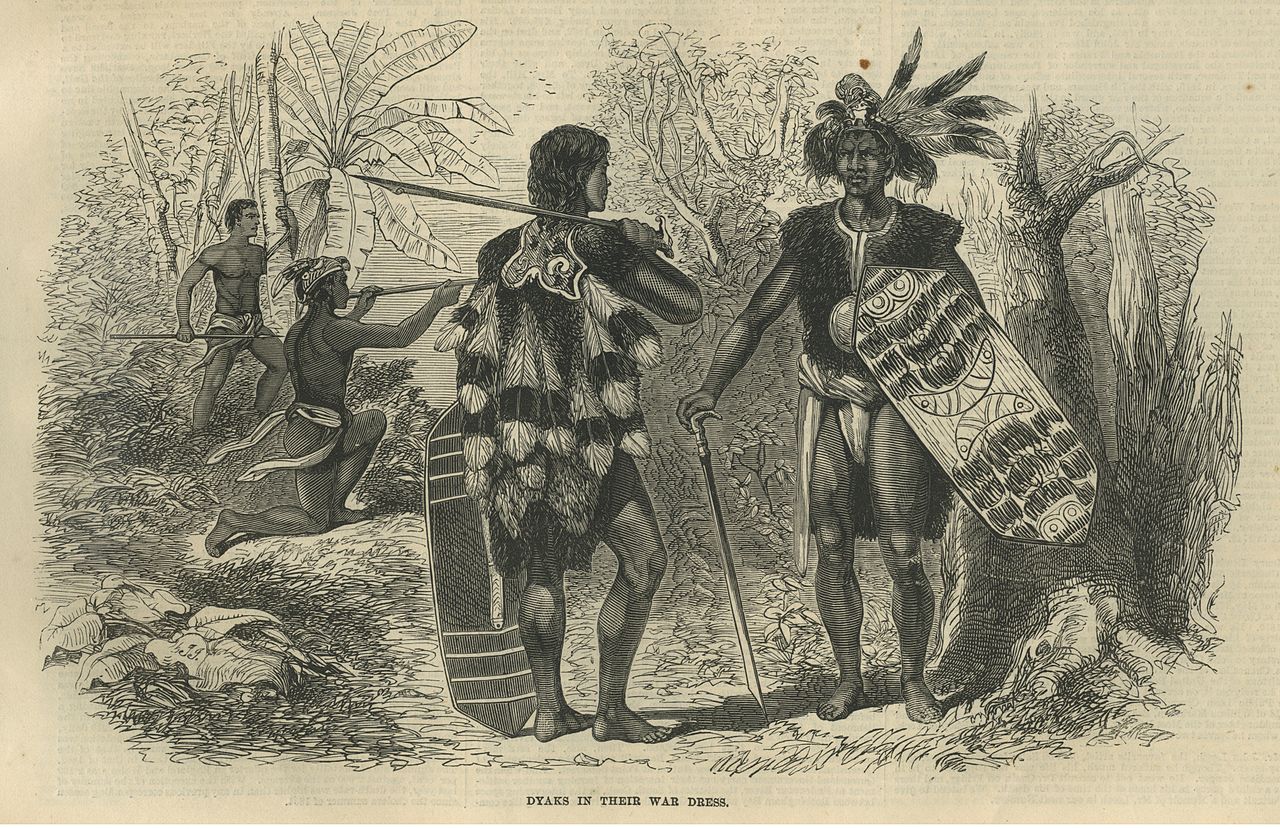
The human history of Borneo includes a tapestry of indigenous groups—Dayak communities, Iban, Penan, Kadazan-Dusun and others—whose languages, customs and land-use practices vary by region. During the modern colonial era parts of northern Borneo were influenced by British and local sultanates, while Dutch administration affected the southern territories. Brunei retained a sultanate that persists today.
Economy, use of land and conservation
Economic activities on Borneo include timber extraction, plantation agriculture (notably oil palm), mining and exploration for oil and gas—important for local and national revenues. These industries have driven extensive forest clearance and habitat fragmentation. Illegal and legal logging operations have been major drivers of change, and some operations are contested for their environmental and social impact (timber and logging).
Threats and protection efforts
Deforestation, expansion of agriculture, fires and infrastructure development threaten biodiversity and indigenous livelihoods. International and local conservation initiatives seek to protect remaining forest tracts and wildlife corridors, including transboundary efforts to manage landscapes sustainably. Public information and scientific programs highlight the value of Borneo’s rainforest (rainforest information) and support policies to balance conservation with development.
Notable facts and further reading
- Major rivers such as the Kapuas and Kinabatangan shape the island’s ecology and transport.
- Mountains like Mount Kinabalu in the north provide montane habitats and attract ecotourism.
- Contemporary governance of the island involves coordination among Indonesia, Malaysia and Brunei on shared environmental and economic issues; for national and regional overviews see Malaysia, general references and country pages for Indonesia and Brunei.
Questions and answers
Q: What is Borneo?
A: Borneo is the third largest island in the world.
Q: Where is Borneo located?
A: Borneo is in the center of maritime southeast Asia.
Q: Which countries have part of Borneo?
A: Indonesia, Malaysia and Brunei each have part of Borneo.
Q: What is Indonesia's region of Borneo called?
A: Indonesia's region of Borneo is called "Kalimantan."
Q: What is Malaysia's region of Borneo called?
A: Malaysia's region of Borneo is called East Malaysia or Malaysian Borneo.
Q: What is Brunei's relationship with Borneo?
A: Brunei is an independent nation that has a small part of Borneo.
Q: Why is the rainforest in Borneo in danger?
A: The rainforest in Borneo is in danger because lumber companies cut trees here illegally.
Related articles
Author
AlegsaOnline.com Borneo: island, biodiversity and shared sovereignties Leandro Alegsa
URL: https://en.alegsaonline.com/art/13140