
Jebel Barkal — Sacred butte and Napatan archaeological complex
Jebel Barkal is a sandstone butte in northern Sudan, revered in ancient Nubia. It anchors a group of temples, royal cemeteries and ruins linked to the Napatan and Kushite kingdoms and is a protected heritage site.
Overview
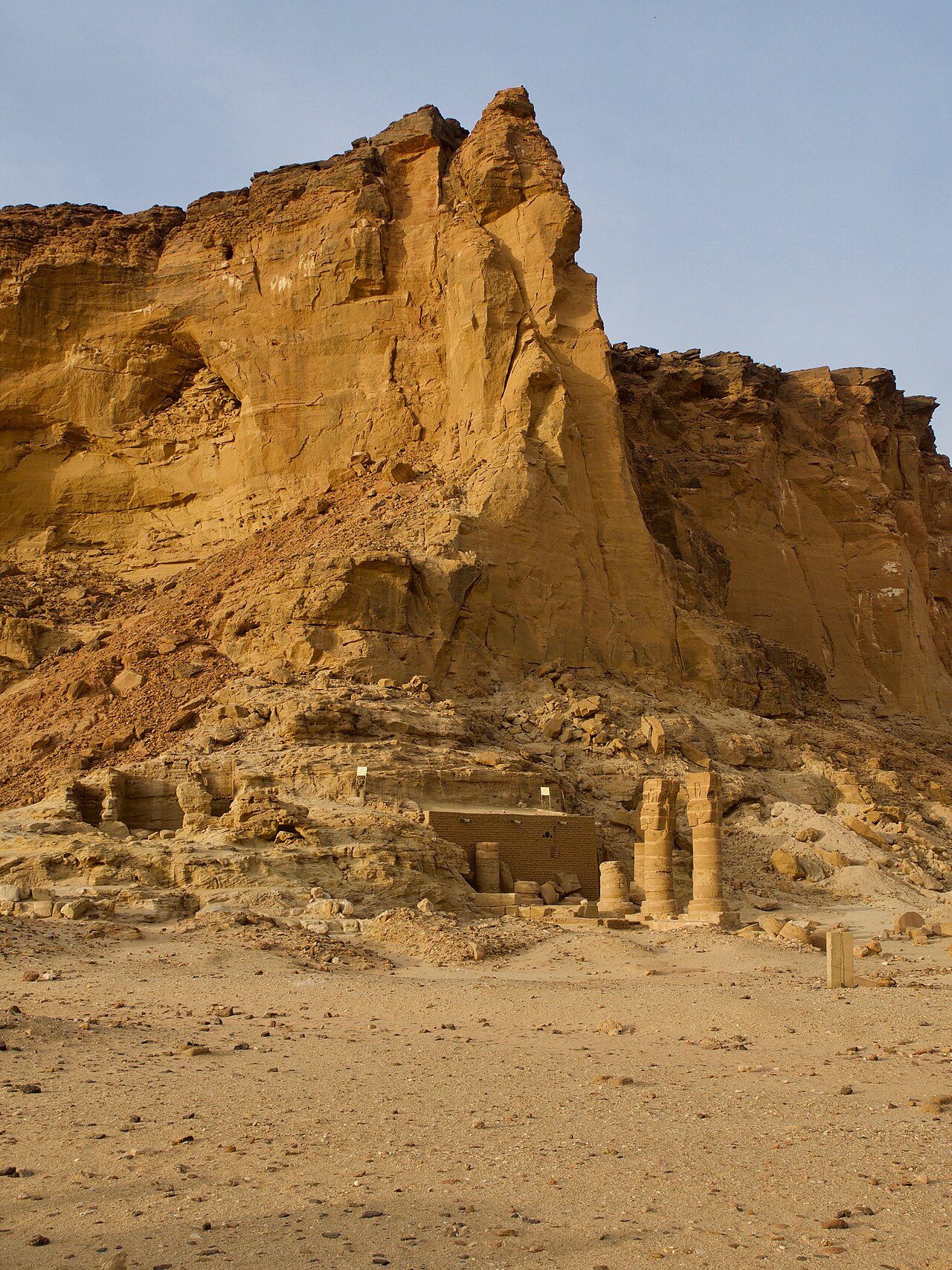
Jebel Barkal (also Gebel Barkal) is a prominent sandstone butte rising from the Nile valley in northern Sudan. The formation stands roughly 98 metres above the surrounding plain and has a distinctive flat-topped silhouette. It lies about 400 kilometres north of Khartoum and commands views of the river corridor that for millennia connected sub-Saharan Africa with Egypt.
Image gallery
10 Images




Physical characteristics
The landmark is composed of eroded sandstone and presents steep cliffs and overhangs. Its unusual profile made it an obvious focal point in the landscape and a natural marker for river navigation. The top and slopes are pocked with small rock shelters and carved niches that ancient builders used for shrines and inscriptions.
History and religious importance
From the first millennium BCE Jebel Barkal functioned as a sacred mountain for communities to the south of Egypt. It became closely associated with the Egyptian god Amun and later with the ruling dynasties of Napata and the Kingdom of Kush, who regarded the site as a royal and religious center. Kings erected temples and declared the mountain itself to be an abode of divine power, lending Jebel Barkal a central role in state cult and legitimacy.
Archaeology and remains
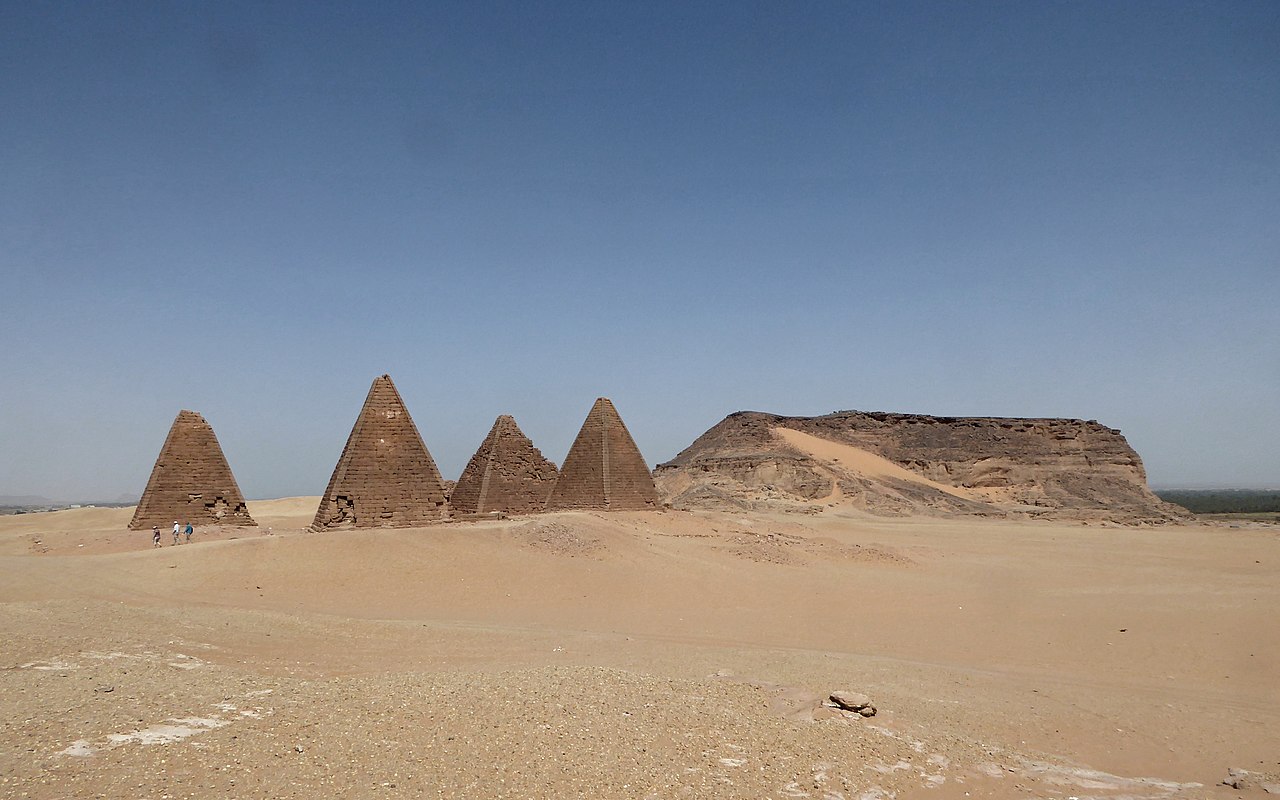
Excavations around the butte have revealed temple foundations, carved reliefs and stelae, as well as the ruins of royal construction phases reflecting both Egyptian and indigenous Kushite styles. Close to the hill are necropolises with dozens of small pyramids and tombs used by Napatan rulers and elites. Inscriptions and architectural fragments provide key evidence for the political and cultural ties between Nile Valley polities in antiquity.
Notable features
- Temple ruins dedicated to Amun and other deities.
- Rock-cut reliefs and stelae recording royal dedications.
- Nearby pyramid cemeteries of Napatan and Kushite elites.
- The butte itself as an enduring sacred landmark.
Today Jebel Barkal is recognized for its outstanding cultural value and receives attention from archaeologists, conservators and visitors. The modern town of Karima lies close by and serves as the usual access point for researchers and tourists. Preservation challenges such as wind erosion, tourism impact and development pressures require continued management to safeguard the site for future study and appreciation.
Related articles
Author
AlegsaOnline.com Jebel Barkal — Sacred butte and Napatan archaeological complex Leandro Alegsa
URL: https://en.alegsaonline.com/art/49793