
James Baldwin (1924–1987), American novelist, essayist and social critic
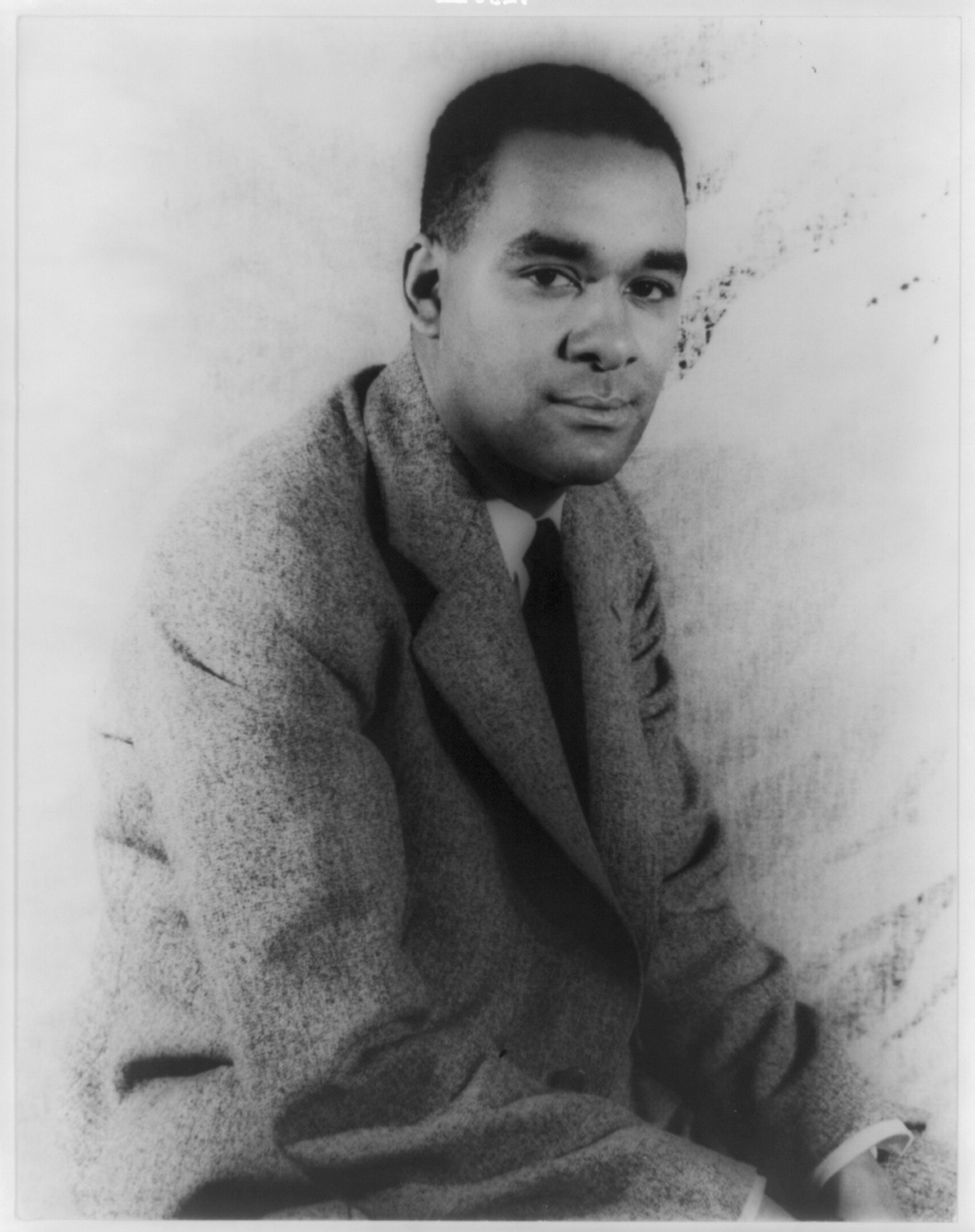
James Baldwin was an influential American writer and public intellectual whose fiction and essays probed race, sexuality, religion and identity in 20th-century America and beyond.
Overview
James Arthur Baldwin was an American novelist, essayist, playwright and public intellectual whose work addressed the complexities of race, sexuality, class and religion. Born and raised in Harlem, Manhattan, New York City, Baldwin became widely known for essays and books that combined personal reflection, literary criticism and moral urgency. His voice remains central to discussions about American history and culture.
Image gallery
10 Images


Early life and education
Baldwin was born on August 2, 1924, and grew up in a working-class neighborhood in Harlem, where he encountered both the vibrancy and the harsh realities of Black urban life. He left formal schooling early but completed secondary education at DeWitt Clinton High School and later studied informally in New York, including time at The New School. His early experiences in Harlem, the church, and as a young Black man in America deeply shaped his later writing.
Themes and major works
Baldwin’s writing blends memoir, social criticism and fiction. He explored how intimate identity—sexuality, family ties, religious belief—interacts with public structures of power and prejudice. His best-known essay collections and books include Notes of a Native Son, The Fire Next Time, and autobiographical or novelistic works such as Go Tell It on the Mountain, Giovanni’s Room, Another Country and No Name in the Street. These texts examine love, alienation, and the personal costs of racial injustice.
- Notes of a Native Son — essays on race and personal history
- Go Tell It on the Mountain — semi-autobiographical novel
- Giovanni's Room — novel addressing sexuality and identity
Influence and public role
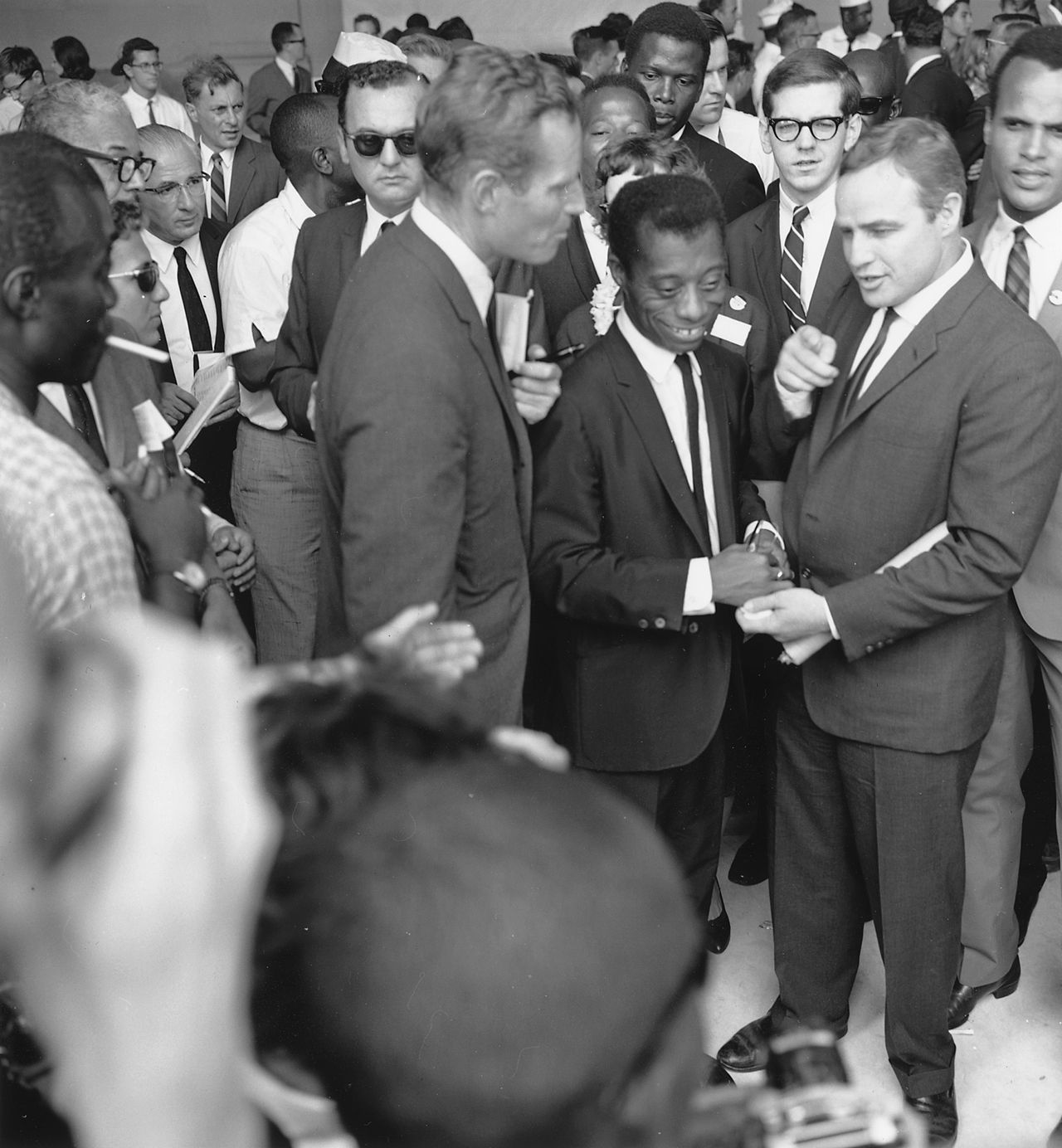
As both a literary artist and a public commentator, Baldwin was active in conversations about civil rights and social change. He engaged with activists, politicians and fellow writers, and his essays were widely read for their moral clarity and eloquent criticism. Later generations of writers, scholars, filmmakers and activists have cited Baldwin as a formative influence, and his works continue to be taught and adapted, including film and documentary projects that revisit his life and ideas.
Later life and legacy
Although Baldwin spent much of his adult life in Europe, particularly in France, he maintained a close engagement with American culture and politics. Baldwin was openly gay and his frank treatment of sexuality was groundbreaking for its time. He never married and had no children. Baldwin died in 1987 in Saint-Paul de Vence, France, after a long struggle with cancer. His legacy endures through a wide body of fiction, essays, speeches and plays that continue to provoke thought about justice, identity and belonging.
Notable distinctions include Baldwin’s capacity to write across genres—fiction, essay, drama—and to fuse personal testimony with broader social critique. His work resists simple categorization and invites readers to confront uncomfortable truths about society and themselves.
Related articles
Author
AlegsaOnline.com James Baldwin (1924–1987), American novelist, essayist and social critic Leandro Alegsa
URL: https://en.alegsaonline.com/art/49182
Sources
- biography.com : James Baldwin Biography
- nytimes.com : James Baldwin: His Voice Remembered