
Jack-in-the-box: the classic surprise toy
A jack-in-the-box is a spring‑loaded children's toy whose figure pops out of a lidded container. This article describes its design, history, cultural role, variations, safety and collecting.
Overview
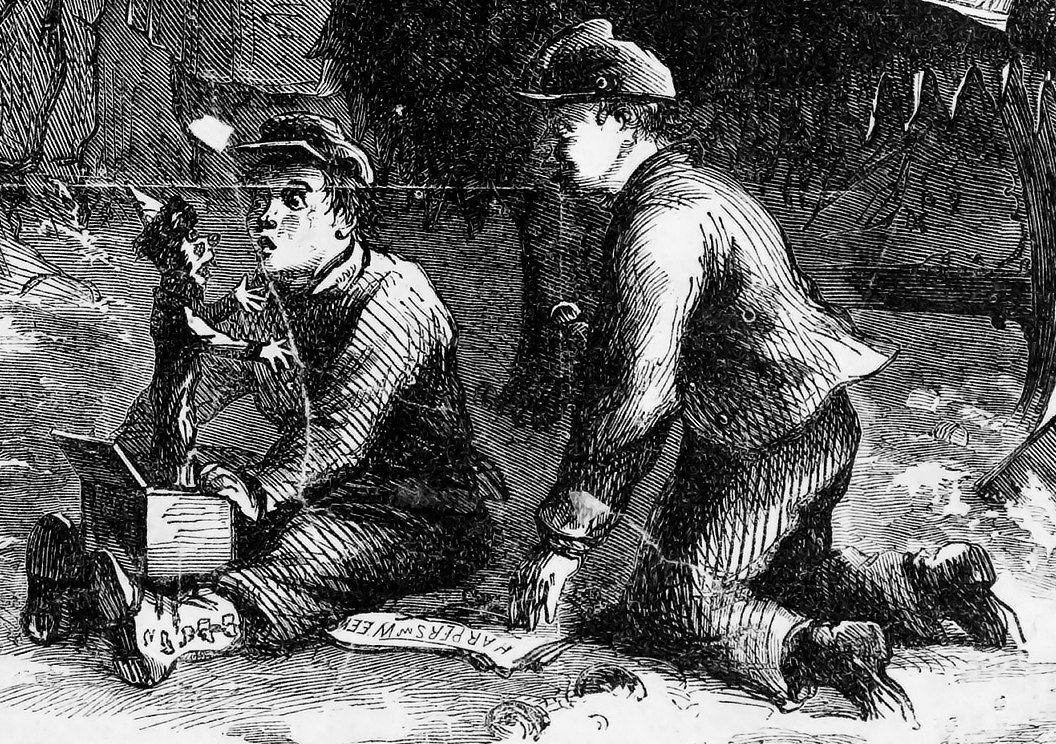
A jack-in-the-box is a mechanical toy designed to produce a sudden, playful surprise. A figure—commonly a clown, jester or puppet—sits collapsed inside a lidded box and is held down by a catch. When the catch is released the figure is pushed out by a spring, often timed to a short tune. The basic cycle of winding or pressing, waiting, and then experiencing the pop teaches cause-and-effect and timing. For a simple introduction to its parts and play, see Jack-in-the-box basics.
Image gallery
3 Images

Construction and mechanism
Most jack-in-the-boxes use the same essential elements: a box or cylinder with a hinged lid, a spring or flexible support, a figure attached to that support, and a release mechanism actuated by a crank, knob or button. Traditional models had a clockwork music-wind that released a latch at a particular point; many modern toys substitute molded plastic components and simplified springs or small motors. Common materials include wood, tinplate, papier-mâché and plastics, with figures made of cloth, painted composition, rubber or vinyl.
History and development
Variants of the popping-figure novelty are recorded in European collections from centuries past and became widely manufactured in metal and tin during the 19th century. The idea draws on older mechanical automata and fairground novelties: a surprising motion created by hidden mechanics has long been a source of amusement. With industrial mass production in the late 19th and early 20th centuries, jack-in-the-boxes became inexpensive children’s toys; later developments introduced molded plastics and battery-powered versions. For historical summaries and museum examples, consult general toy history resources at toy history overviews.
Play, pedagogy and cultural role
Beyond entertainment, the jack-in-the-box is used to introduce infants and toddlers to anticipation, object permanence and cause-and-effect. Its sudden but mild startle is typically regarded as safe play. The toy has also entered broader culture as a symbol of surprise or unpredictability and appears in children’s rhymes, literature and visual arts. Popular tunes such as "Pop Goes the Weasel" are often associated with the toy in recordings and play routines. Discussions of cultural meaning and adaptations can be found in accessible essays at cultural notes.
Variations and safety
Variations include musical versions where a crank plays a tune, elaborately painted folk-art examples, modern electronic types with motors, and novelty items aimed at collectors or adults. Safety considerations are important: small detachable parts, sharp edges on older tin toys, and deteriorated springs or fastenings can present hazards. Older examples may also have surface paints that would not meet today’s safety standards. Consumer guidance and preservation advice are available at care and safety.
Collecting and preservation
Collectors value early tinplate and hand-painted wooden examples, original mechanisms and intact finishes. Condition, rarity, provenance and whether the original music mechanism works affect collectibility. Museums and specialist books document notable makers and regional styles; careful cleaning, stable storage and avoiding aggressive restorations are standard conservation practices.
Simple in concept but rich in mechanical and cultural history, the jack-in-the-box endures as a compact example of playful engineering: it combines motion, sound and surprise in a small object that has entertained generations.
Related articles
Author
AlegsaOnline.com Jack-in-the-box: the classic surprise toy Leandro Alegsa
URL: https://en.alegsaonline.com/art/48884