
Java ME (Java Platform, Micro Edition)
Compact Java platform for constrained and embedded devices; defines configurations and profiles (CLDC, CDC, MIDP) used in feature phones, set‑top boxes, consumer electronics and IoT.
Java ME, short for Java Platform, Micro Edition, is a version of the Java programming platform tailored to small, resource‑constrained devices. It provides a subset of Java language capabilities together with a set of device APIs, a sandboxed runtime and standardized profiles that let developers write portable applications for embedded systems. Implementations of Java ME are found on a wide range of hardware, including Linux-based devices and other embedded operating systems.
Image gallery
1 Image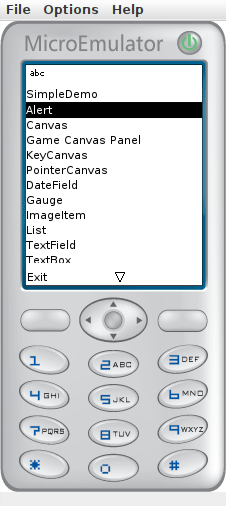
Architecture and components
The platform is organized into configurations and profiles. A configuration defines the minimal Java virtual machine and core libraries for a class of devices; the two best known are the Connected Limited Device Configuration (CLDC) for very constrained hardware and the Connected Device Configuration (CDC) for more capable devices. Profiles sit on top of configurations to provide higher-level APIs; the Mobile Information Device Profile (MIDP) is the most familiar profile historically used for mobile phone applications (often packaged as MIDlets).
Typical components and features include:
- Lightweight virtual machine and garbage collection suitable for small memory footprints.
- Device APIs for user interfaces, networking, persistent record storage and multimedia.
- Security model and sandboxing to limit application access to sensitive resources.
- Optional packages that extend functionality for specific hardware or services.
History and development
Java ME was developed by Sun Microsystems to bring Java to embedded and mobile markets; it became widely used on feature phones and consumer electronics. Over time the ecosystem evolved with contributions from vendors and standards bodies. After Sun, stewardship moved to Oracle, and the platform has continued to be adapted for embedded use cases, including specialized editions for modern devices.
Uses and examples
Java ME has been applied in many product categories where a compact, portable runtime is desirable. Examples include feature‑phone applications (MIDlets), set‑top boxes, digital televisions, in‑car infotainment systems, printers and industrial controllers. Its small footprint and managed runtime also make it suitable for some Internet of Things scenarios; for discussion of embedded IoT deployments see IoT resources. Simple applets and device applications are typically distributed in packaged formats referenced by vendor ecosystems or delivered as applets or MIDlets.
Notable distinctions from other Java platforms: Java ME targets devices with limited CPU, memory and persistent storage, whereas Java SE and Java EE target desktops, servers and enterprise environments with richer APIs. Fragmentation among device implementations has been a recurring challenge for developers, leading to device-specific extensions as well as industry efforts to standardize profiles and optional packages.
Today Java ME remains one of several approaches to embedded Java programming. It is valued where predictable resource usage, a managed runtime and existing Java developer skills are priorities. For specific implementation details, vendor documentation and platform references provide the most current information on supported profiles and optional packages.
Related articles
Author
AlegsaOnline.com Java ME (Java Platform, Micro Edition) Leandro Alegsa
URL: https://en.alegsaonline.com/art/49635