
J. F. R. Jacob: Indian Army Commander and Administrator
Biography of Lieutenant General J. F. R. Jacob (1923–2016), his military career including the 1971 war, early life, governance roles, and legacy in India and Bangladesh's liberation.
Overview
J. F. R. Jacob (Jacob Farj Rafael Jacob; 14 June 1923 – 13 January 2016) was a senior officer of the Indian Army who rose to the rank of Lieutenant General. He is widely remembered for his staff leadership during the Indo-Pakistani War of 1971, which culminated in the surrender of Pakistani forces in East Pakistan and the creation of Bangladesh. His career also spanned earlier conflicts and later public service as a state governor and administrator.
Image gallery
10 Images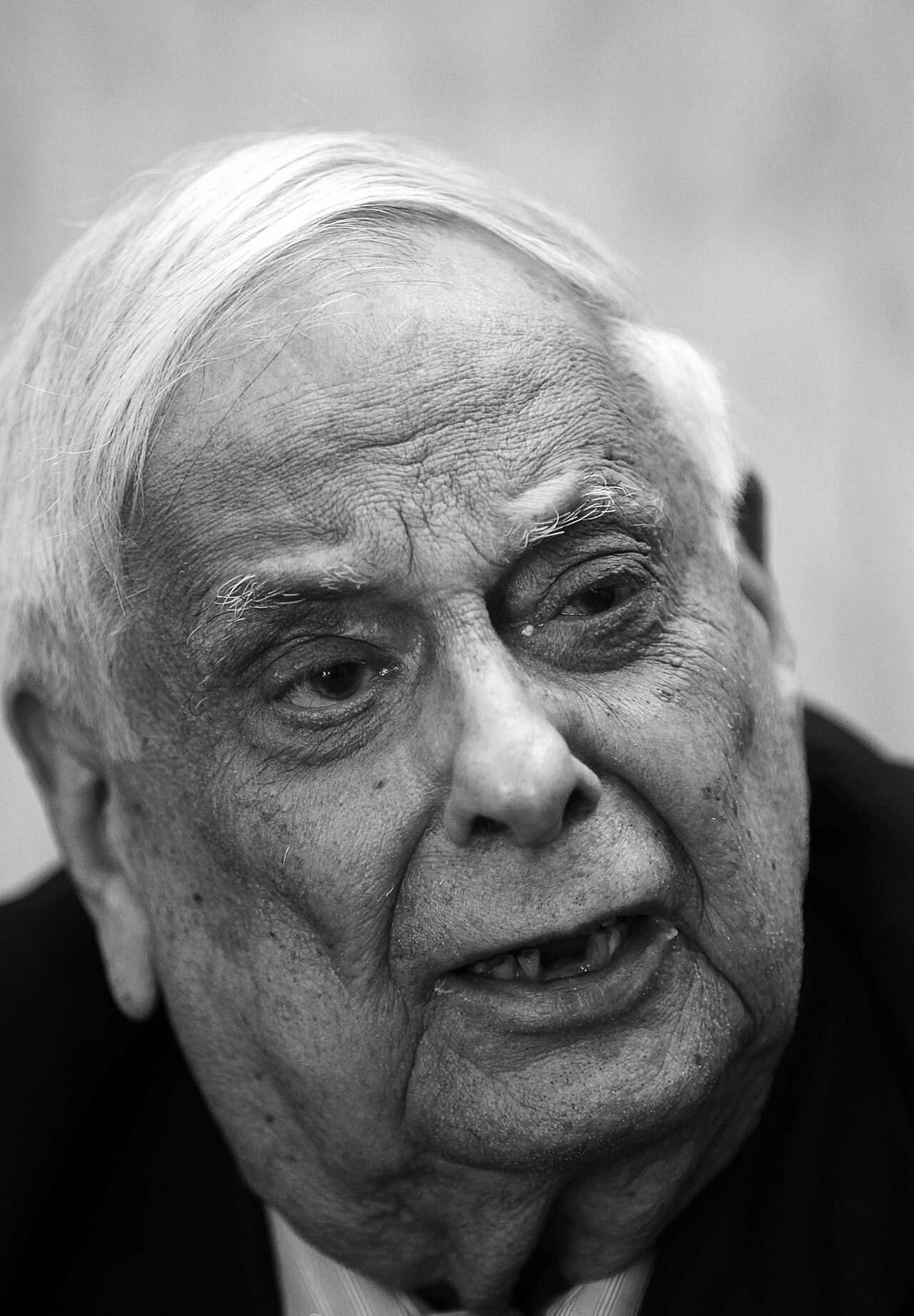



Early life and background
Jacob was born in Calcutta (now Kolkata) during the period of British India. He came from a Baghdadi Jewish family that had roots in Iraq. His upbringing in the multicultural milieu of Calcutta shaped a pragmatic outlook that informed both his military career and his later civilian appointments. He served in the armed forces during the era of the Second World War and gained early experience that aided his later staff work.
Military career and the 1971 campaign
Jacob served in multiple conflicts during his long career, including World War II and the Indo-Pakistani War of 1965. By 1971 he was a Major General and the Chief of Staff of the Indian Army's Eastern Command. In that role he was responsible for planning, coordination and logistical arrangements that supported rapid offensive operations into East Pakistan and the management of large numbers of troops. His staff direction is credited with helping to bring about a relatively swift and organized end to hostilities and the surrender of Pakistani forces.
- Senior staff officer in the Eastern theatre during 1971
- Coordinated planning between army and allied forces
- Managed logistics and prisoner-handling arrangements following surrender
Post-war service and civil appointments
After active military service Jacob continued to contribute in public roles. He served as the Governor of Goa and Governor of Punjab, and he was Administrator of Chandigarh from November 1999 to November 2003. In these posts he brought a disciplined, administrative approach informed by years of senior command and staff experience.
Legacy and later life
Jacob's involvement in the 1971 campaign makes him an important figure in South Asian military history and in the story of Bangladesh's independence. He remained a respected voice on defence and strategic affairs in later years and was often consulted for his recollections and assessments of the conflict. He died in New Delhi after an illness; reports state he succumbed to pneumonia on 13 January 2016 in New Delhi, aged 92.
Notable facts and distinctions
Jacob's career is notable for the combination of frontline service and high-level staff work. He was a rare example of an officer of Jewish heritage in the top echelons of the Indian military, reflecting the diverse social fabric of the country: born in Calcutta, with ancestral links to Iraq and a familial identity described as Baghdadi. His life bridged colonial, post-colonial and contemporary India.
For further reading on the campaigns and administrative roles associated with Jacob, see summaries of the 1971 conflict and later civil governance records linked here: Indian Army, 1971 conflict, and selected archives for Goa and Punjab.
Related articles
Author
AlegsaOnline.com J. F. R. Jacob: Indian Army Commander and Administrator Leandro Alegsa
URL: https://en.alegsaonline.com/art/48804
Sources
- commons.wikimedia.org : J. F. R. Jacob
- tribuneindia.com : "Former Punjab Governor JFR Jacob dead"