
Indo-Pakistani War of 1965 (Second Kashmir War)
Overview of the 1965 armed conflict between India and Pakistan over Kashmir: origins, main campaigns, military character, international mediation and aftermath.
The Indo-Pakistani War of 1965 was a major conventional conflict between the Republic of India and the Islamic Republic of Pakistan that took place in 1965. Often called the Second Kashmir War, the fighting grew out of long-standing rivalry over the princely region of Kashmir. Tensions that had persisted since partition in 1947 escalated into open hostilities that involved ground, air and armoured forces across several fronts and led to thousands of casualties before an internationally brokered ceasefire halted large-scale operations.
Image gallery
10 Images




Background and causes
The immediate trigger for the larger war was a covert and irregular effort by Pakistan to infiltrate and destabilize Indian-administered Jammu and Kashmir. That initiative, widely described as Operation Gibraltar, aimed to incite insurrection within the Kashmir Valley. It followed earlier border incidents and a period of low-intensity clashes. The dispute over Kashmir itself dates to the partition of British India and the first open conflict between the two states in 1947–48, sometimes referenced as the First Kashmir War. The mountainous boundary and competing claims made Kashmir a persistent flashpoint in South Asian politics; observers and governments repeatedly cited the region when calling for restraint or mediation.
Main theatres and conduct of operations
Combat in 1965 unfolded in several geographically distinct theatres, with differing strategies and tempo:
- Mountain and valley fighting in Jammu and Kashmir, where infiltrations and local engagements occurred around contested passes and settlements.
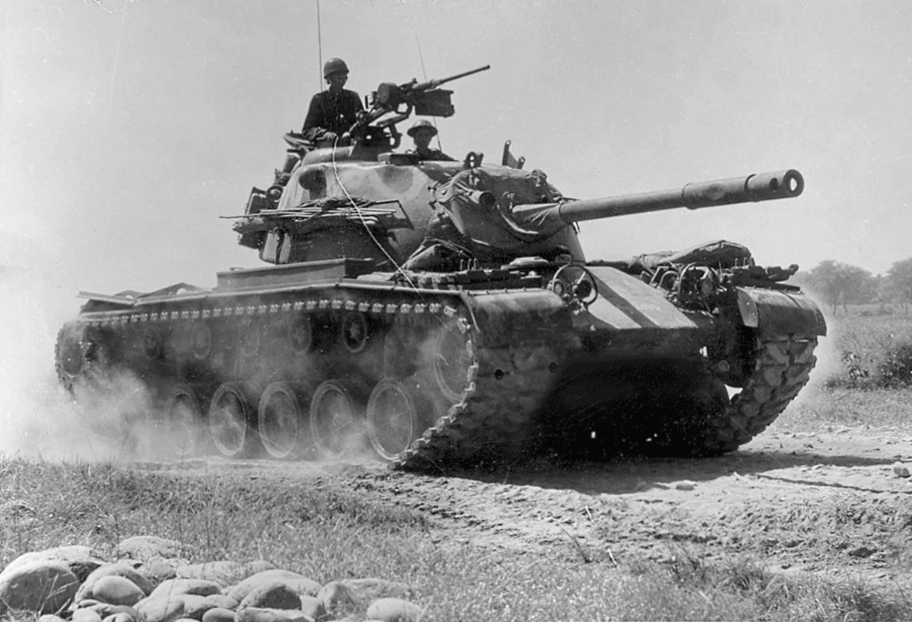
- Large armoured and infantry battles on the plains of Punjab, where tank formations and air power played decisive roles in set-piece encounters.
- Localized skirmishes elsewhere along the international frontier, including coastal and desert areas that tested logistics and mobility.
Both sides used conventional formations—infantry, tanks and combat aircraft—rather than guerrilla-only forces. The intensity of fighting in the Punjab sector in particular drew international attention because of the scale of armoured warfare and the risks of wider escalation.
International response and ceasefire
The trajectory of the conflict attracted diplomatic pressure from major powers and multilateral forums. As fighting continued into late summer and early autumn, international actors urged restraint and negotiated avenues for ending hostilities. The United Nations and other mediators called for cessation of offensive operations, and a ceasefire was imposed after negotiations and pressure from multiple capitals. The official halt to large-scale combat came when both sides agreed to stop fighting, following appeals for a ceasefire, and thereafter further diplomacy sought to resolve outstanding issues.
Consequences and significance
Territorial lines largely reverted to positions near those held at the ceasefire, and no final political settlement of Kashmir emerged from the 1965 hostilities. The war nevertheless had important consequences: it hardened military postures on both sides, influenced subsequent defence planning and procurement, and shaped domestic politics in each country. Losses in lives and material were considerable, and the conflict deepened mistrust, making future negotiations more difficult even as it underscored the need for international mediation and confidence-building measures.
Notable distinctions and legacy
The 1965 conflict is distinguished from the earlier 1947–48 war and later confrontations by its scope and its combination of irregular infiltration with full-scale conventional battles. It demonstrated how a localized insurgency or covert operation could trigger wider interstate war between nuclear-neighbour states long before nuclear weapons entered the region’s strategic calculations. Studies of the war are frequently cited in military history and international relations as examples of limited war, the limits of coercive campaigns, and the challenges of resolving territorial disputes in a polarized regional environment. For further background on the wider Kashmir dispute, see Kashmir.
Author
AlegsaOnline.com Indo-Pakistani War of 1965 (Second Kashmir War) Leandro Alegsa
URL: https://en.alegsaonline.com/art/47195
Sources
- tribuneindia.com : Chandigarh, India – Main News
- bbc.com : "Are India's plans to celebrate 1965 war 'victory' in 'bad taste'?"
- pakistanarmy.gov.pk : "1965 War"
- indiatimes.com : "Everything You Need To Know About The 1965 Indo Pak War"
- thequint.com : "Who Really Won the India-Pakistan 1965 War?"
- rbth.com : "1965 War: Why India quit when it was winning"