
Byzantium: ancient Greek city and foundation of Constantinople
Byzantium was an ancient Greek city on the Bosporus that later became Constantinople, the capital of the Eastern Roman (Byzantine) state; known for its strategic location, defenses and cultural legacy.
Overview
Byzantium, originally known in Greek as Byzantion, began as an ancient Greek settlement and later gave its name to the Byzantine Empire. The name Byzantium is a Latinized form of the original Greek. Over time the site was refounded and expanded, becoming the metropolis more commonly called Constantinople in late antiquity.
Image gallery
2 Images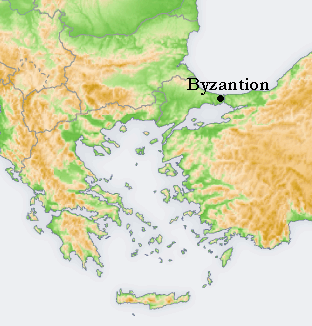
Location and foundation
The city occupied a strong strategic position on the Bosporus strait, the narrow waterway linking the Black Sea and the Aegean. This location controlled major maritime routes and regional trade. According to tradition and ancient sources, Byzantium was established by Greek colonists from Megara in the mid-7th century BCE, and developed as an independent polis with maritime commerce at its core.
City structure and defenses
From its earliest phases Byzantium comprised an acropolis, a harbor-oriented lower town, and surrounding agricultural land. As the settlement grew its fortifications were continuously rebuilt and enlarged. In later centuries the city became famous for formidable defensive works that protected it from sieges and invasions, a feature that shaped its historical role.
- Harbors and sea access that facilitated trade and naval power.
- An inner citadel and outer walls that were adapted over time.
- Religious and civic buildings that reflected Greek and, later, Roman urban patterns.
Transition to Constantinople and imperial role
When the Roman emperor Constantine I chose the site for a new eastern capital in the early 4th century CE, the city was rebuilt on an imperial scale and renamed Constantinople. From that moment it served as the administrative, military, and spiritual center of the eastern half of the Roman state. In later historiography the state that evolved there is commonly called the Byzantine Empire, a predominantly Greek-speaking continuation of the Roman Empire during Late Antiquity and the Middle Ages.
Economic, cultural, and religious importance
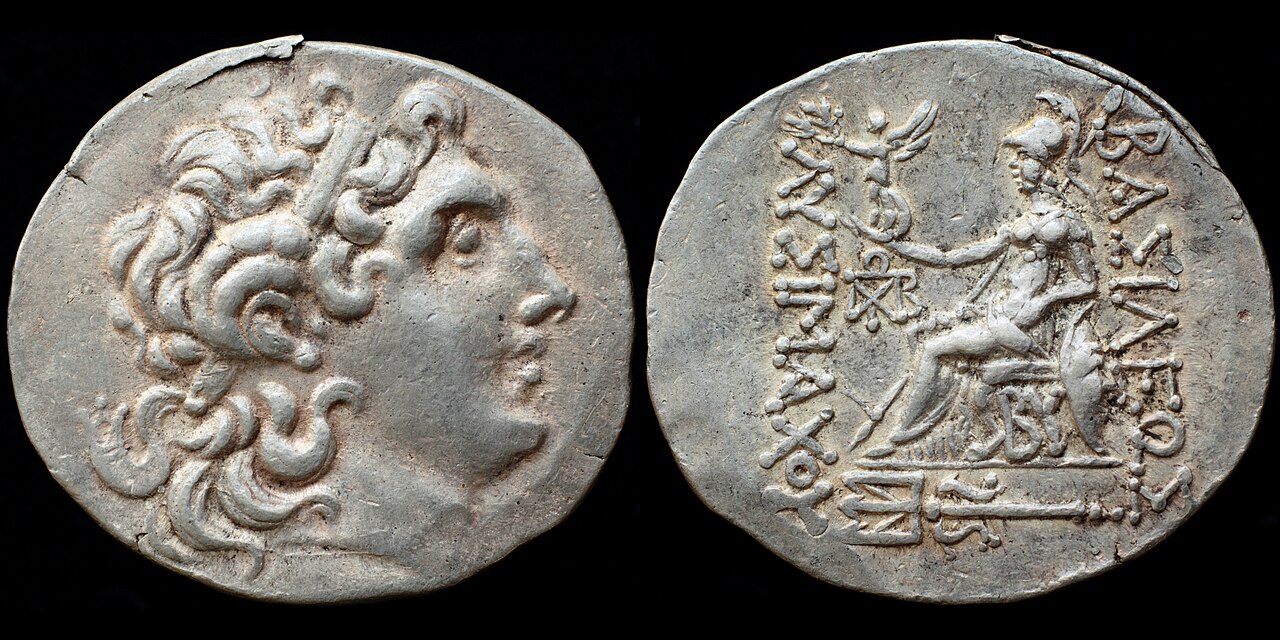
Because of its crossroads position, Byzantium/Constantinople became a hub for long-distance commerce between Europe and Asia, a center for crafts and coinage, and a conduit for cultural exchange. It later emerged as a major center of Orthodox Christianity, hosting important churches, theological schools, and artistic traditions that influenced the eastern Mediterranean and beyond.
Legacy and distinctions
The term "Byzantine" as used by modern historians was coined after the medieval period; contemporaries regarded their state as the Roman Empire. Byzantium's transformation into Constantinople represents a key moment in the shift from the classical world to the medieval eastern Mediterranean. The city's layered identity — Greek origins, Roman imperial institutions, and medieval Christian culture — is central to its historical significance.
Notable facts
- The city's strategic geography defined its economic and military history.
- Its later names and institutions often obscure the continuity between the ancient Greek foundation and the medieval capital known to contemporaries as the Roman empire's seat.
- Many aspects of Byzantine law, art, and administration have had a lasting influence on southeastern Europe and the Near East.
For further reading on the site's Greek origins, its urban layout and fortifications, or its role within the later Byzantine state, see specialized studies and archaeological reports. General surveys and reference works provide accessible summaries of Byzantium's long and transformative history.
Questions and answers
Q: What was Byzantium?
A: Byzantium was an ancient Greek city.
Q: What is the original name of Byzantium?
A: The original name of Byzantium is Byzantion.
Q: What is the significance of Byzantium in history?
A: Byzantium became the center of the Byzantine Empire, which was the Greek-speaking Roman Empire of late Antiquity and the Middle Ages.
Q: Is Byzantium known by a different name?
A: Yes, at the time of becoming the center of the Byzantine Empire, the city was already called Constantinople.
Q: What is the Latinization of Byzantion?
A: The Latinization of Byzantion is Byzantium.
Q: What language was spoken in the Byzantine Empire?
A: The language spoken in the Byzantine Empire was Greek.
Q: What era did the Byzantine Empire belong to?
A: The Byzantine Empire belonged to the late Antiquity and the Middle Ages era.
Related articles
Author
AlegsaOnline.com Byzantium: ancient Greek city and foundation of Constantinople Leandro Alegsa
URL: https://en.alegsaonline.com/art/15758
Sources
- istanbulinfolink.com : Istanbul Historical Information - Istanbul Informative Guide To The City
- guideistanbul.net : The Useful Information about Istanbul