
Itaipu Dam
Binational hydroelectric dam on the Paraná River between Brazil and Paraguay; one of the world’s largest power plants by capacity and annual generation, with major technical, social and environmental significance.
Overview
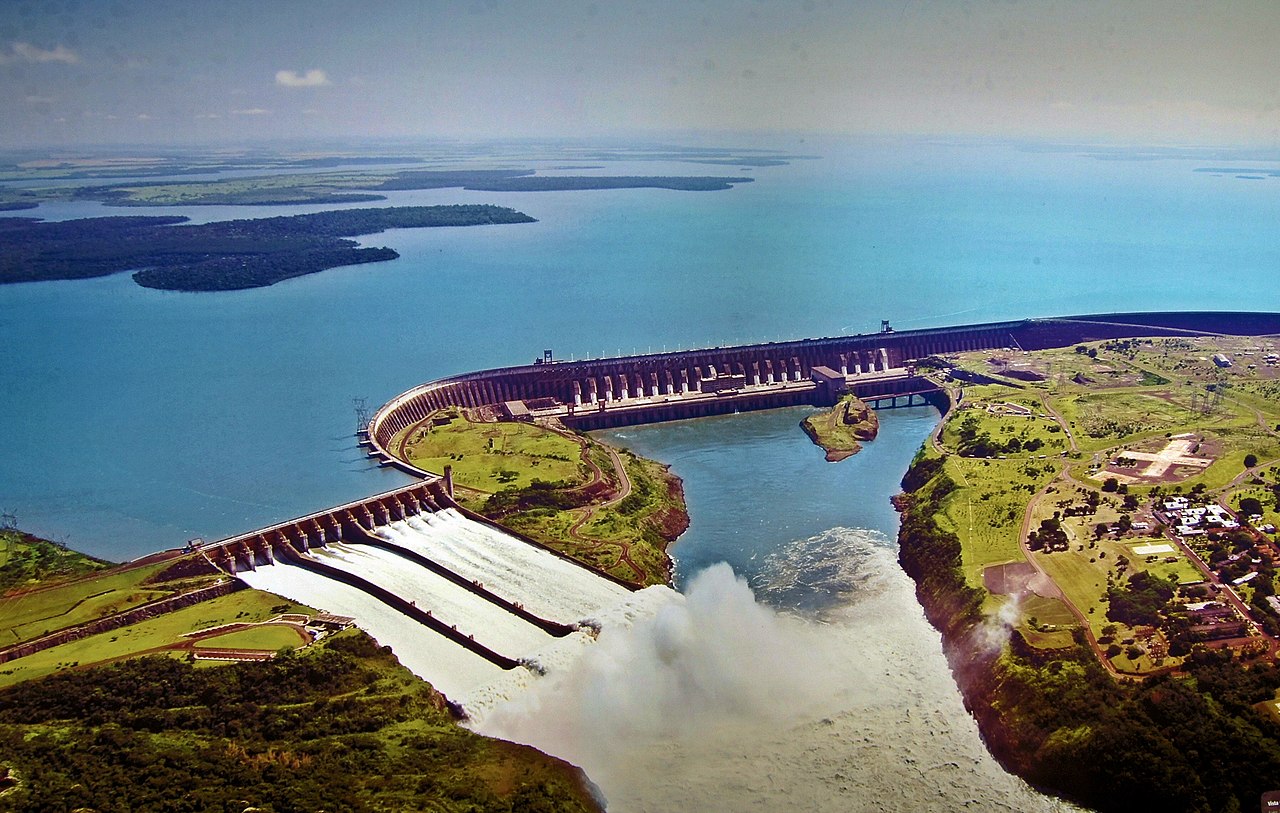
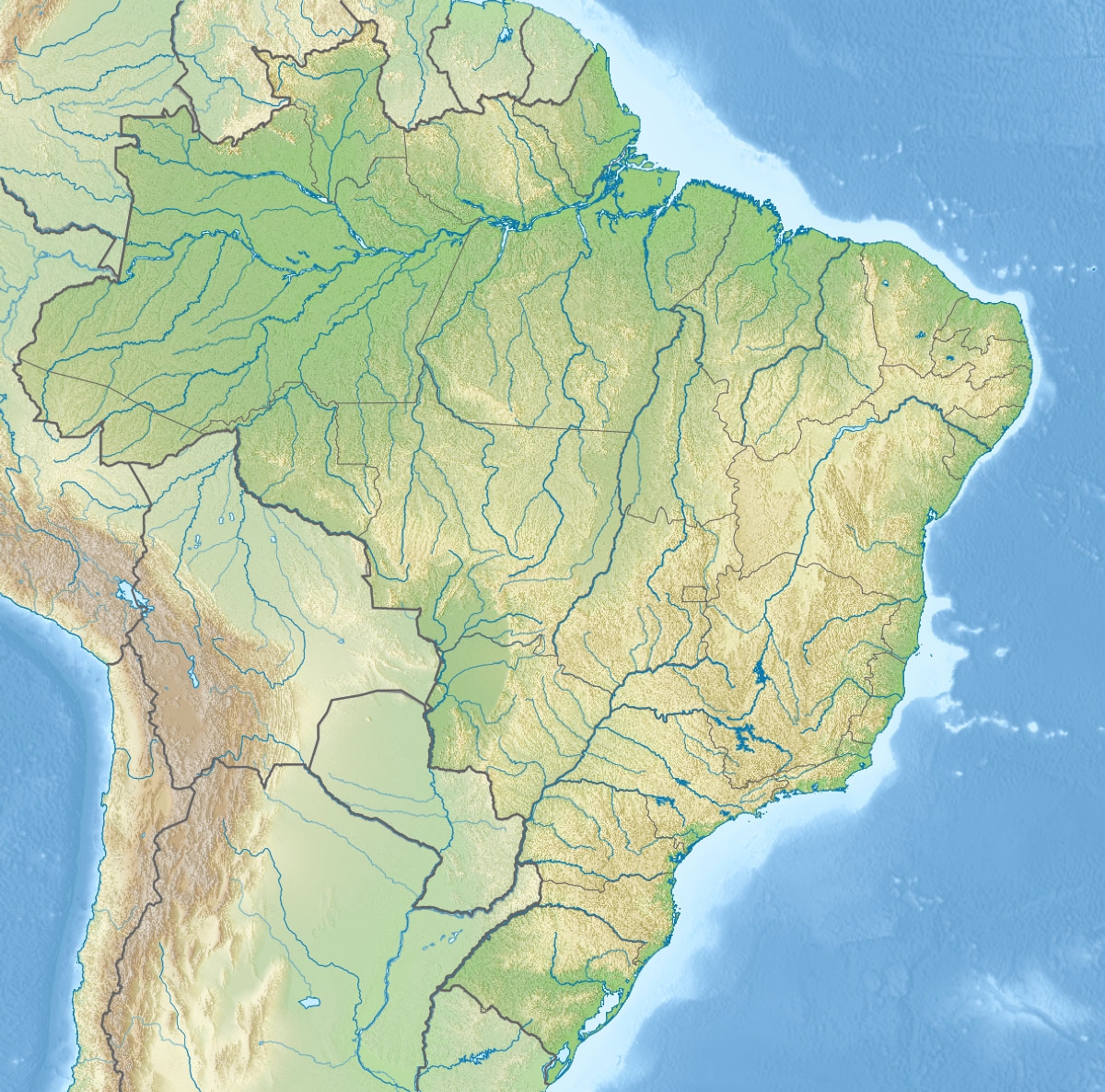
The Itaipu Dam is a large binational hydroelectric facility on the Paraná River, straddling the border between Brazil and Paraguay. Built to convert the movement of water into electricity, Itaipu supplies power to both countries through a cooperative operating entity. The project is frequently cited among major modern engineering works and is often compared with other massive dams such as the Three Gorges Dam.
Image gallery
10 Images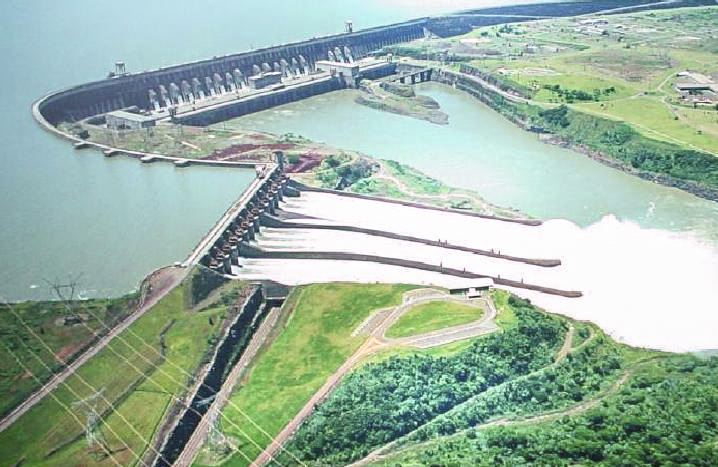






Design and capacity
Itaipu is a concrete gravity dam with an overall length of several kilometres and a substantial structural height. The plant uses multiple turbine-generator units to transform controlled river flow into electric power. It comprises twenty main generating units with a combined installed capacity in the range of about 14 gigawatts, and it has produced record annual generation in several years. As a conventional hydroelectric installation, it depends on intake works, penstocks and turbines to convert hydraulic head into mechanical and then electrical energy.
Construction and commissioning
Planning and construction occurred in the late 20th century under a binational agreement between the two neighbouring states. Work required large civil engineering efforts, relocation of communities, and the formation of a reservoir upstream of the dam. Construction phases extended through the 1970s and into the 1980s; units entered service progressively, and the site reached full commercial operation following commissioning stages carried out by the joint operators.
Operation and management
The facility is operated by a binational organization created to manage the shared resource, coordinate dispatch and allocate production to each country. Operational considerations include reservoir levels, river flow management, seasonal variability, and maintenance of turbine units. Itaipu plays a major role in regional grids, supplying industrial, commercial and residential customers and contributing to energy security.
Environmental and social impact
Creating the reservoir and operating a very large hydroelectric plant produced significant environmental change, including habitat alteration, impacts on fisheries and wetlands, and the displacement of people when the impoundment was formed. Over time, mitigation measures, environmental programs and social compensation schemes have been implemented to reduce adverse effects and to promote conservation and sustainable use of surrounding areas.
Records, recognition and legacy
- Location: on the Paraná River at the border of Brazil and Paraguay.
- Scale: dam length measured in thousands of metres and height approaching two hundred metres; large reservoir and extensive intake works.
- Capacity and output: roughly 20 generating units and a total installed capacity near 14,000 MW; among the world’s largest hydroelectric plants by installed capacity and by annual generation in some years.
- Management: run by a binational authority rather than a single national operator, with cooperative governance arrangements.
- Comparison: commonly compared to other major dams such as the Three Gorges Dam for scale and production.
Itaipu remains an important case study in large-scale hydroelectric development and in cross-border infrastructure cooperation. For general background on the technology, see resources on hydroelectric power and on topics related to river management, turbine engineering and the environmental science of water movement. Readers seeking technical reports, production records or institutional documents should consult official publications from the binational operator and specialised energy references for the most recent data.
Related articles
Author
AlegsaOnline.com Itaipu Dam Leandro Alegsa
URL: https://en.alegsaonline.com/art/48579
Sources
- nytimes.com : "Energy Deal With Brazil Gives Boost to Paraguay"