
Iwami Ginzan Silver Mine
Historic silver mining complex in Ōda, Shimane Prefecture, active 1526–1923. Once Japan's largest silver producer, now a preserved cultural landscape and UNESCO World Heritage Site (2007).
The Iwami Ginzan (literally "Silver Mountain of Iwami") is a historic silver mining complex near the city of Ōda in Shimane Prefecture. Discovered in 1526, it developed into the largest and most productive silver operation in Japanese history and remained active until final closure in 1923. The surviving remains form a cultural landscape in which mine workings, processing areas, routes and settlements illustrate centuries of extraction, settlement and environmental management.
Image gallery
8 Images




History and economic role
From its rapid growth in the 16th century, Iwami Ginzan influenced domestic coinage and regional trade. Its silver entered trade networks across East Asia and contributed indirectly to wider exchanges with Europe. Control of the mine passed between local authorities and the central government, reflecting its political and fiscal importance. Production peaked and declined over time as easily accessible ore was exhausted and economic conditions changed.
Mining methods and technology
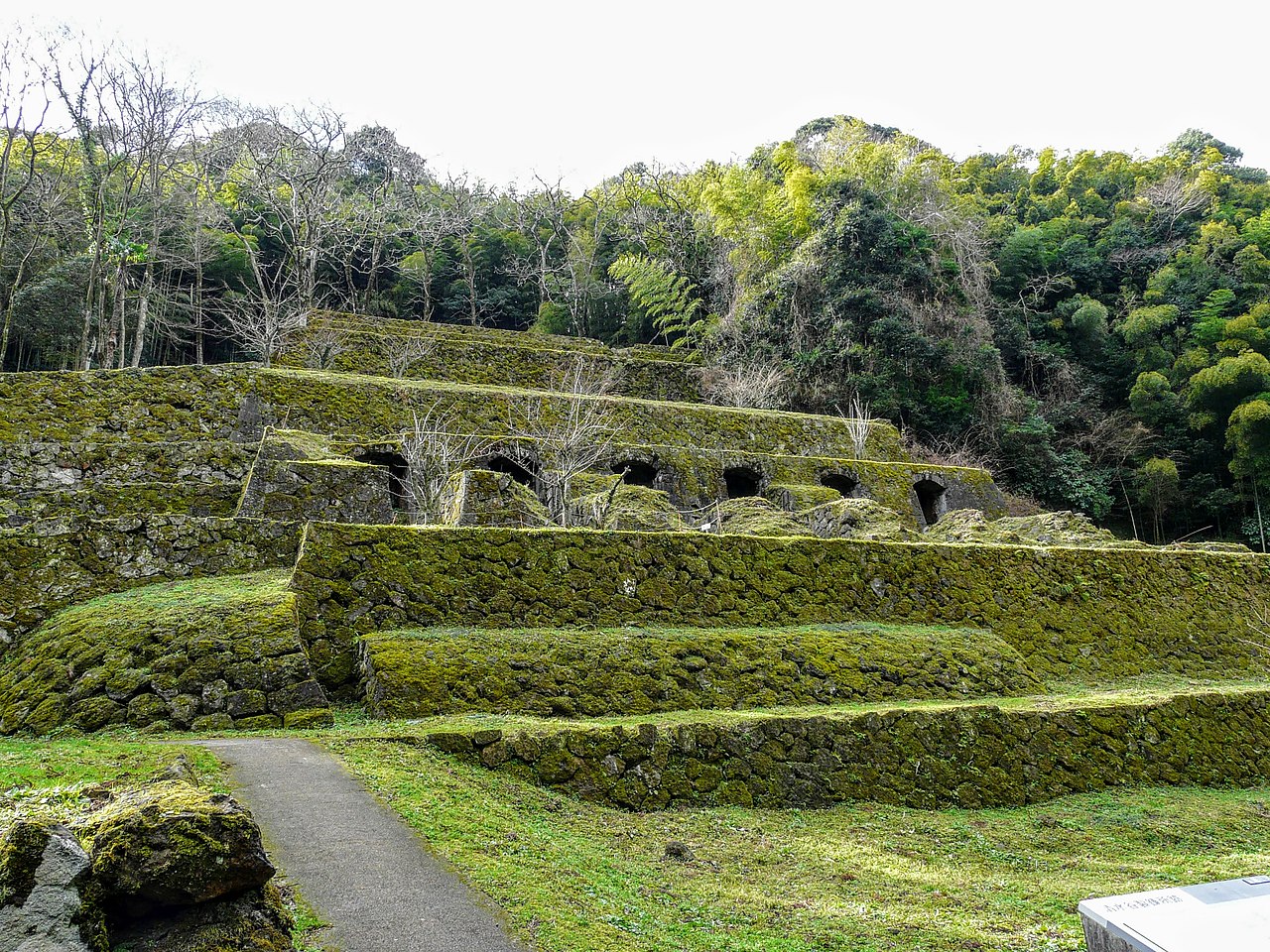
Mining at Iwami Ginzan relied largely on manual and small-scale techniques. Work included shaft and adit excavation, ore crushing and smelting in simple furnaces, and an extensive system of water management for drainage and ore washing. Local craftsmen and miners developed practical solutions for ventilation, drainage and ore concentration that were repeated and adapted across the site. Archaeological traces show areas for smelting and slag accumulation as well as transport routes between mine and processing areas.
Settlements and social organization
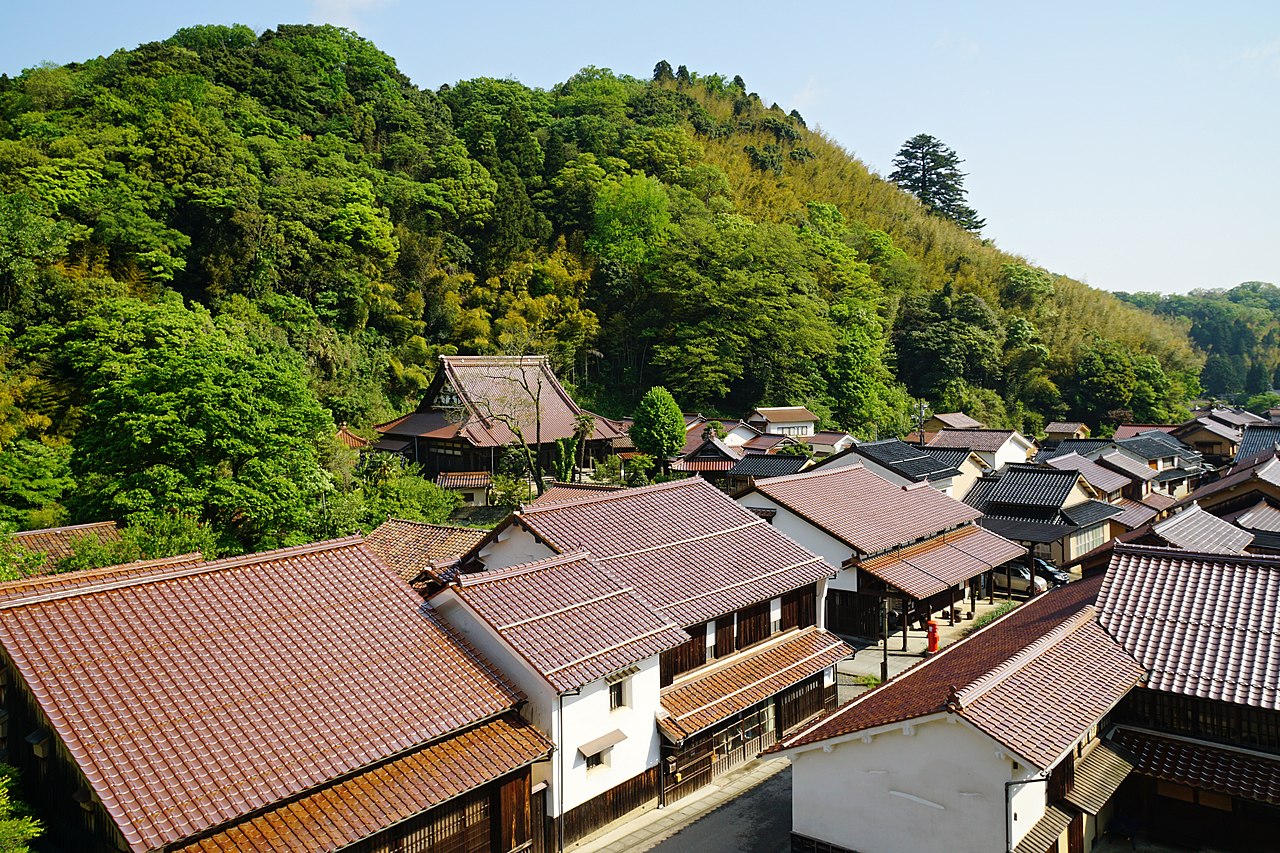
The mine supported a varied community of miners, managers, merchants and service providers. Villages and administrative clusters formed near workings and along routes to the coast. Storehouses, shrines and remnants of dwellings document daily life and local governance arrangements. The interdependence of mining, agriculture and trade shaped a distinctive rural economy around the mine.
Landscape, ecology and preservation
The cultural landscape includes roads, bridges, terraces and reforested slopes that illustrate long-term environmental management. Conservation efforts seek to maintain both the physical remains of mining activity and the surrounding woodland and settlement patterns. The site is interpreted as an example of how extractive industry affected a mountainous environment and its communities.
World Heritage inscription and visiting
Iwami Ginzan and its cultural landscape were inscribed as a UNESCO World Heritage property in 2007. Today the area functions in part as an open-air museum with trails, restored features and information panels explaining mining processes and local history. Visitor facilities and interpretation are provided by local authorities and organizations in the Iwami area and the city of Ōda; further practical and historical information is available through resources about the open-air museum, the historic mine and studies of silver production. Official regional pages in Shimane Prefecture and specialised publications offer additional context and guidance for researchers and visitors.
Research and significance
Scholars study Iwami Ginzan for its contributions to early modern mining practices, regional economies and cultural landscapes. The combination of archaeological remains, historic records and preserved settlements makes the site valuable for understanding technological adaptation, labour organization and the wider economic role of silver in premodern Japan.
Questions and answers
Q: Where is the Iwami Ginzan Silver Mine located?
A: The Iwami Ginzan Silver Mine is located in the city of Ōda, Shimane Prefecture.
Q: What was the Iwami Ginzan Silver Mine known for?
A: The Iwami Ginzan Silver Mine was known for being the largest silver mine in Japanese history.
Q: How long was the Iwami Ginzan Silver Mine active for?
A: The Iwami Ginzan Silver Mine was active for almost four hundred years.
Q: When was the Iwami Ginzan Silver Mine discovered and when was it closed?
A: The Iwami Ginzan Silver Mine was discovered in 1526 and closed in 1923.
Q: What is the Iwami Ginzan Silver Mine today?
A: Today the Iwami Ginzan Silver Mine has become an open-air museum.
Q: When was the Iwami Ginzan Silver Mine named a World Heritage Site?
A: The Iwami Ginzan Silver Mine was named a World Heritage Site in 2007.
Q: What is the meaning of the name "Iwami Ginzan"?
A: "Iwami Ginzan" means "Silver Mountain of Iwami" in Japanese.
Related articles
Author
AlegsaOnline.com Iwami Ginzan Silver Mine Leandro Alegsa
URL: https://en.alegsaonline.com/art/48734
Sources
- books.google.com : Geological Survey of Japan: Reports of Progress for 1878 and 1879.
- worldcat.org : OCLC: 13342563