
Islamic studies: disciplines, history and contemporary approaches
A balanced overview of Islamic studies: its religious and academic meanings, key disciplines (theology, law, philosophy), historical development, methods, uses, and institutional contexts.
Islamic studies is used in two principal senses. In a confessional or normative sense it denotes learning and research carried out within an Islamic framework, drawing on sacred texts and traditional authorities; this approach often emphasizes continuity with established religious knowledge (primary sources) and methods oriented toward Islamic understanding (Islamic knowledge). In an academic sense it refers to the scholarly, multidisciplinary examination of Islam and Muslim societies from historical, literary, sociological, and philosophical perspectives.
Image gallery
6 Images
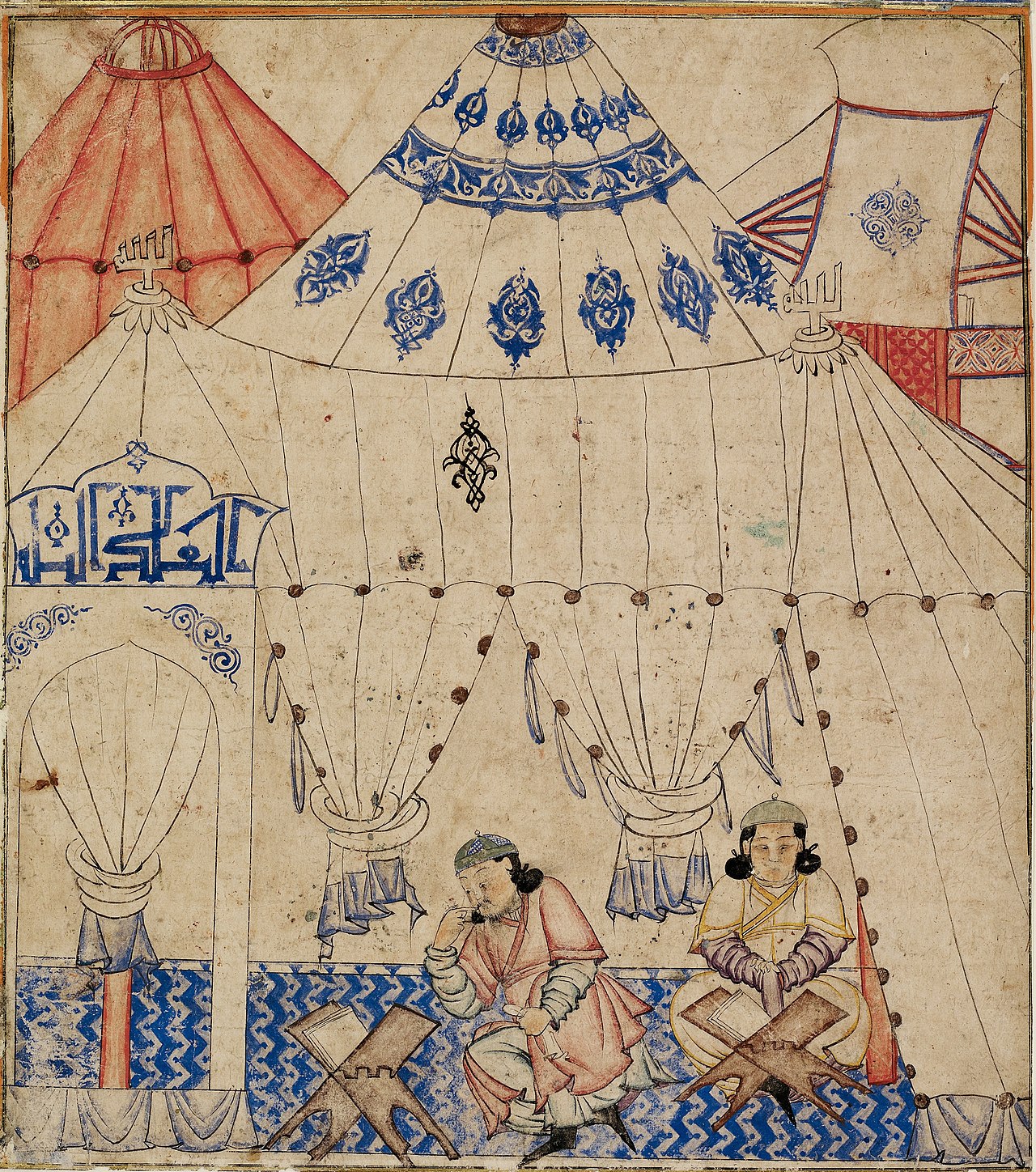


Core areas and disciplines
Traditional religious branches remain central to confessional Islamic studies, including classical fields of religious thought and interpretation. Notable subfields are Kalam (speculative theology), formal theology itself (theology), and jurisprudence (Fiqh), together with the theory and practice of Islamic law. These disciplines establish norms for belief, ritual, and social conduct within Muslim communities.
Broader topics and applied fields
Beyond doctrinal and legal study, Islamic perspectives have been applied to a range of subjects. Some scholars and institutions investigate science, economics, and ethics through an explicitly Islamic lens—examples include work labeled Islamic science and Islamic economics. Methodologies vary: some projects aim to reconcile modern disciplines with religious teachings, while others use religious sources as a starting point for distinct intellectual programs.
Academic study and historical development
The academic study of Islam treats the religion and Muslim societies as historical and cultural phenomena. Historians and cultural scholars study the history of Islamic communities and the development of Islamic philosophy. A wide range of researchers—both Muslim and non‑Muslim—contribute; professional academics publish and collaborate to produce and disseminate knowledge about Muslim life and thought. Scholarship covers topics from art and law to politics and daily practice in Muslim societies.
Institutional contexts and terminology
During the 19th and early 20th centuries the subject often appeared within the field called Oriental studies; since the late 20th century it has been more commonly situated in departments of area or university studies. The label "Islamicists" was once used for some non‑Muslim specialists, and many influential works by diverse authors continue to shape the field across languages and cultures.
Uses, methods, and distinctions
Islamic studies supports religious education, legal reasoning, and cultural understanding as well as secular scholarship. Methods range from textual exegesis and classical commentarial practice to archival research, ethnography, and comparative analysis. Distinctions worth noting include the difference between normative study (concerned with guiding belief and practice) and descriptive academic study (concerned with explanation and context). Both approaches interact: religious communities draw on scholarship, and scholars engage with living traditions when interpreting sources and institutions.
- See also: curricular models in madrasas and modern universities, interdisciplinary research, and public dissemination.
- Further reading and institutional programs are available through many academic centers and publishers; inquiries often begin with introductory surveys and translated primary texts.
Author
AlegsaOnline.com Islamic studies: disciplines, history and contemporary approaches Leandro Alegsa
URL: https://en.alegsaonline.com/art/48410