
Orient (term for the east)
Orient denotes the east; a geographic, cultural and linguistic concept from Latin oriens. Its meaning has shifted over time and appears in place names, descriptions of regions, and everyday language.
The word "Orient" broadly means "the east" and has been used in geography, culture, and language for centuries. Its modern English form derives from the Latin oriens, literally "rising" (from the verb oriri), a reference to the direction of the sunrise. In general usage the Orient contrasts with the Occident, the west, and has been applied to lands, peoples, artistic styles, and ideas associated with regions to the east of Europe.
Image gallery
4 Images

Etymology and senses
Originally a directional and astronomical term, "orient" referred to the point of sunrise. Over time it became a noun and adjective describing eastern lands and cultures. As a verb, to "orient" means to align or to find one's bearings. In maps and navigation, "orientation" describes how a map is positioned relative to cardinal directions.
Historical and geographical usage
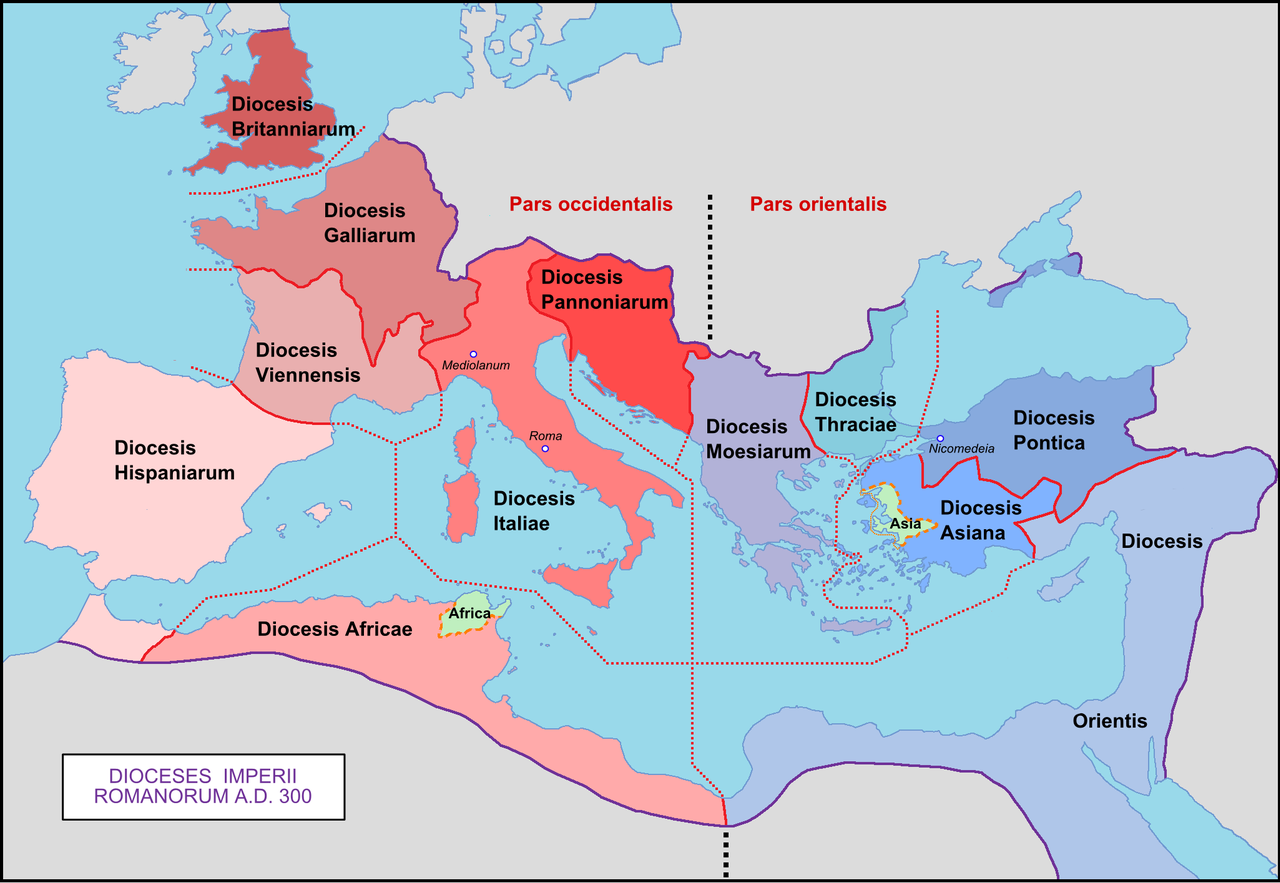
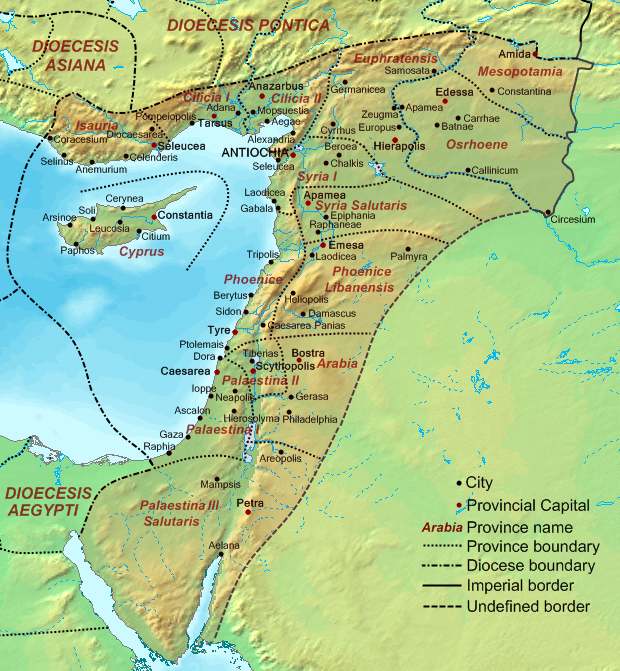
Different eras and communities have drawn the boundary of the Orient in different places. In classical antiquity, Rome sometimes applied the word to lands immediately east of Italian territory; later definitions moved the dividing line farther eastward, at times to the Adriatic, the Aegean or even as far as the Indus River. European discourse from the medieval and early modern periods often grouped large parts of Asia under the single rubric of the Orient, while later scholarship and politics distinguished regions such as the Near East, Middle East and Far East.
Uses and cultural significance
The term appears in many compound names and cultural labels: for example, the historical Orient Express, the designation "Oriental" applied to arts and decorative objects, or academic fields that studied Asian languages and histories. In contemporary language, some of these usages are considered outdated or imprecise—especially when used to describe people—so more specific regional terms (e.g., South Asian, East Asian, Middle Eastern) are preferred in many contexts.
Distinctions and modern perspectives
- Geographic: shifting boundary lines across eras and maps.
- Cultural: broad umbrella for diverse languages, religions and practices across Asia.
- Terminology: "Orient" and the adjective "oriental" are still used for objects and historical names, but their application to people is increasingly seen as imprecise or insensitive.
The concept of the Orient has played a central role in Western descriptions and classifications of Asia, art, trade and diplomacy. Its meaning depends on context—literal direction, a poetic or literary sense, historical usage, or cultural labeling—and it continues to evolve as geographical knowledge and social attitudes change. For further general background, see resources on historical geography and etymology such as entries linked to Ancient Rome and regional studies.
Related articles
Author
AlegsaOnline.com Orient (term for the east) Leandro Alegsa
URL: https://en.alegsaonline.com/art/73123