
Isabella Karle: American physical chemist and crystallographer
Isabella Karle (1921–2017) was an American physical chemist known for contributions to chemical crystallography, practical techniques for actinide chemistry during WWII, and a long research career with many honors.
Overview
Isabella Helen Karle (née Lugoski; December 2, 1921 – October 3, 2017) was an American physical chemist whose research bridged experimental chemistry and X‑ray crystallography. Early in her career she contributed to wartime efforts on the Manhattan Project during World War II, and she later spent decades advancing methods used to determine and interpret the structures of complex chemical compounds.
Image gallery
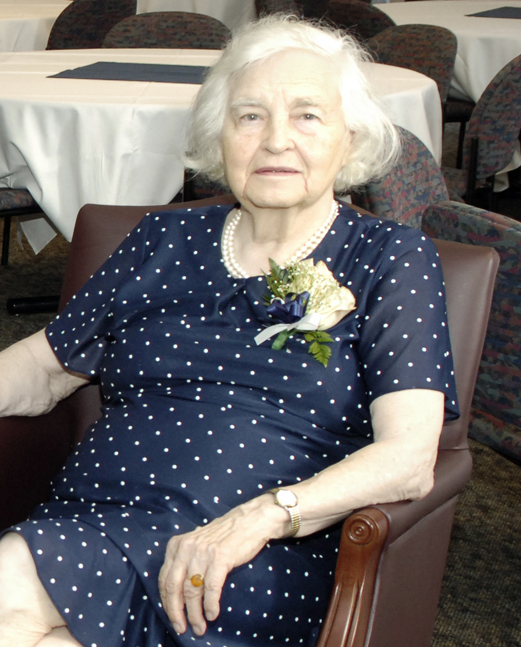
4 Images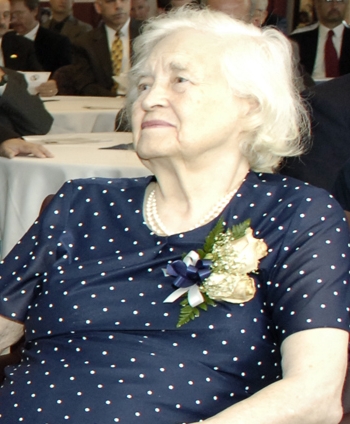


Scientific contributions and methods
Karle's work combined laboratory chemistry with diffraction techniques to improve how chemists isolate and study difficult materials, particularly actinide compounds. She helped develop and refine practical procedures used in the separation and analysis of plutonium species when that chemistry was an urgent national priority. Over her long research career she applied and extended crystallographic methods that make it possible to obtain reliable three‑dimensional information about molecules from X‑ray data, supporting studies in inorganic, organometallic and coordination chemistry.
Career and institutional roles
Following her wartime assignments, Karle pursued a research career at government laboratories and in collaboration with academic scientists. She earned degrees from the University of Michigan and worked for many years at institutions that supported fundamental and applied chemistry research. Her publications and technical reports influenced experimental practice in chemical crystallography and materials chemistry, and she was widely respected as a scientist who combined careful experimental technique with practical problem solving.
Awards and recognition
- Garvan–Olin Medal (American Chemical Society)
- Gregori Aminoff Prize (Royal Swedish Academy)
- Bower Award
- National Medal of Science
- Navy Distinguished Civilian Service Award (the Navy's highest civilian honor)
- Election as a Fellow of the American Academy of Arts and Sciences (1993) — AAAS listing
Personal life and legacy
Karle was born in Detroit, Michigan, and after completing her education she married fellow physical chemist Jerome Karle in 1942. Jerome Karle later received a Nobel Prize for work in crystallography; the couple maintained scientific and personal partnerships while raising three children. Isabella Karle retired as an influential practitioner and mentor; her career is often cited as an example of the important practical contributions experimental scientists make to both national needs and to fundamental chemical knowledge.
She died on October 3, 2017, at a hospice in Alexandria, Virginia, after a long life in science. Her legacy survives in the techniques and protocols she helped establish and in the many chemists and crystallographers who built on her practical approach to solving difficult structural problems.
Related articles
Author
AlegsaOnline.com Isabella Karle: American physical chemist and crystallographer Leandro Alegsa
URL: https://en.alegsaonline.com/art/48320
Sources
- amacad.org : "Book of Members, 1780–2010: Chapter K"
- nobelprize.org : Jerome Karle: The Nobel Prize in Chemistry 1985
- washingtonpost.com : "Isabella L. Karle, chemist who helped reveal structure of molecules, dies at 95"