
University of Michigan, Ann Arbor
Public research university in Ann Arbor, Michigan. Founded 1817, flagship campus of the University of Michigan system, noted for large research programs, professional schools, extensive alumni and athletic traditions.
Overview
The University of Michigan in Ann Arbor is a major public research university with a long history of teaching, scholarship and public service. Founded in 1817 in Detroit and moved to Ann Arbor in 1837, it is the flagship campus of a multi-campus system and is commonly abbreviated U‑M or simply Michigan. The institution combines a broad liberal arts curriculum with professional programs in medicine, law, engineering, business and other fields, and it supports significant graduate and doctoral education.
Image gallery
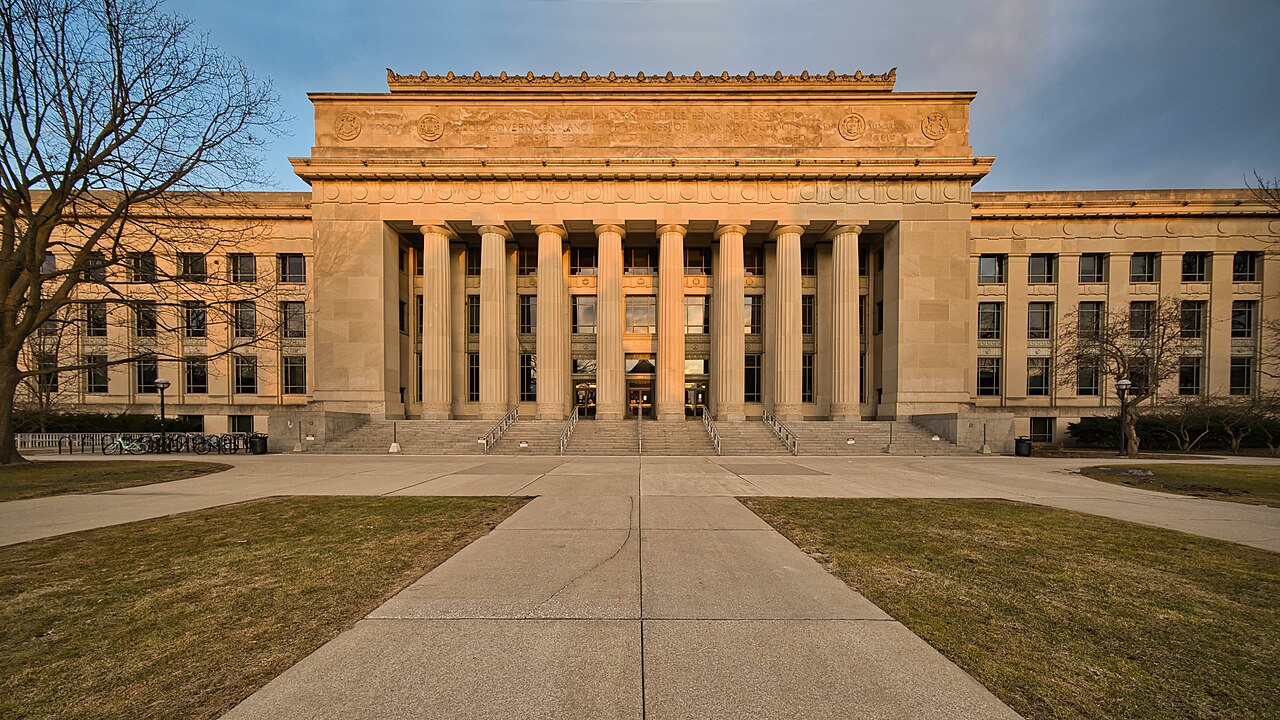
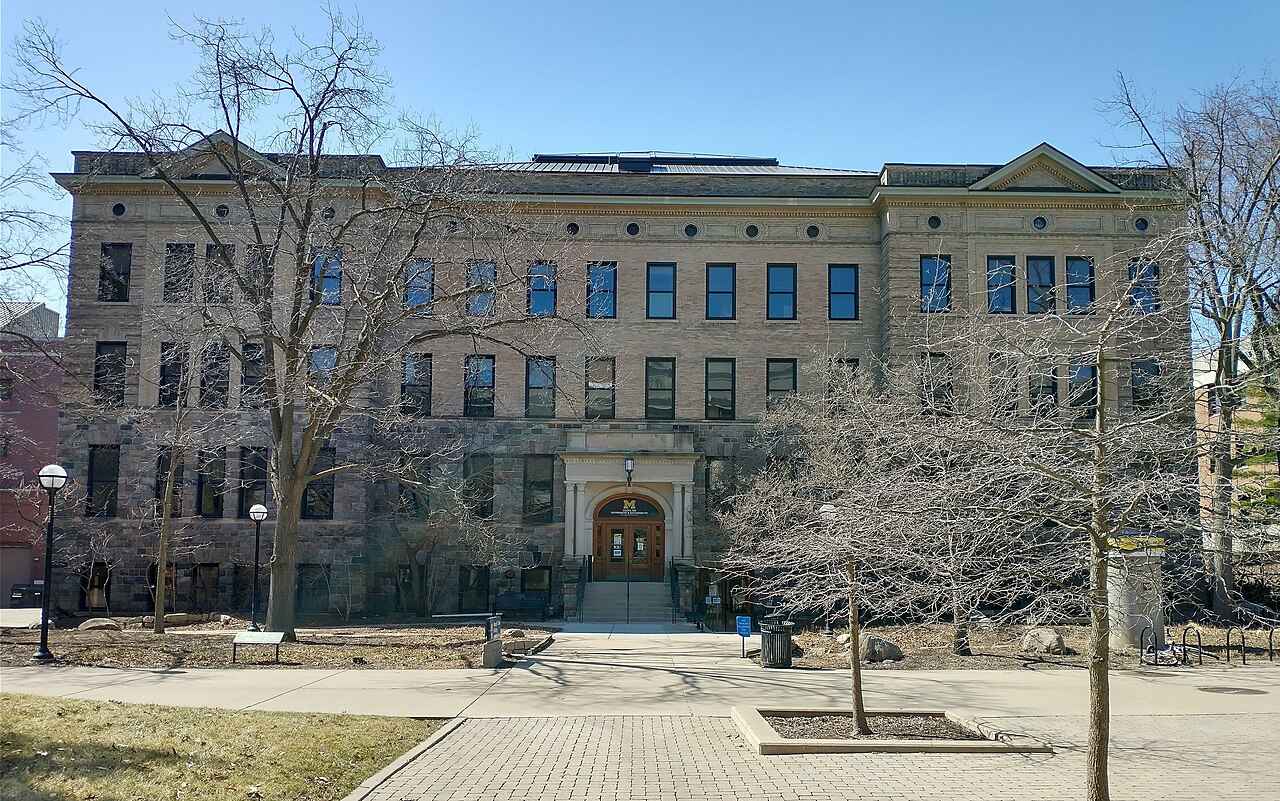
10 Images




History
Establishment predated Michigan statehood and the university expanded steadily through the 19th and 20th centuries, adding professional schools, research facilities and cultural institutions. Its development reflects broader trends in American public higher education, including land-grant and state-supported expansion, the rise of scientific research, and increased graduate training. The university is frequently cited among leading public institutions and has been identified with the tradition of flagship state universities offering high-level education at public cost; it is also mentioned in lists of Public Ivies.
Campuses and structure
The Ann Arbor campus is the system's principal campus; the University of Michigan also includes regional campuses in Flint and Dearborn. Academic organization encompasses many schools and colleges that govern curricula and degrees. Governance is carried out by a board of regents and university leadership, with financial support from state appropriations, tuition, private philanthropy and externally sponsored research programs.
Academics and research
U‑M offers undergraduate, professional and graduate degrees across the arts and sciences, engineering, business, public policy, health sciences and other areas. The university maintains a large research enterprise that spans laboratory sciences, engineering, clinical research, social sciences and the humanities. Research activity generates peer-reviewed publications, patents and technology transfer initiatives, and it supports collaborations with industry and government. Research funding and expenditures place the university among the most active public research institutions in the United States.
Rankings, reputation and impact
Michigan is widely recognized in national and international comparisons for its academic programs, research output and professional schools. Its alumni, faculty and researchers have influenced many fields; among well-known graduates is former U.S. President Gerald Ford. The university has produced judges, cabinet members, business leaders and scholars whose work has had regional, national and global impact. The university also contributes to economic development in Michigan through research commercialization, startup formation and workforce education.
Student life and traditions
Student life at the Ann Arbor campus is rich with student organizations, cultural venues, volunteer and public service opportunities, and a strong residential presence. Campus traditions, performing arts, museums and public programs are important parts of the university experience. The student body is diverse in academic interests and backgrounds, and the institution emphasizes both curricular and extracurricular engagement.
Athletics and campus culture
Athletics play a large role in campus culture. Teams compete as the Michigan Wolverines in the NCAA and the Big Ten Conference. The university has long-standing traditions surrounding game days and alumni support, and its teams are particularly noted for success and history in football, men's basketball and ice hockey. Intercollegiate sports are a major source of community identity and alumni engagement.
Admissions and student body
Admissions to the Ann Arbor campus are selective, reflecting strong academic demand and a broad applicant pool. The university enrolls undergraduate, graduate, and professional students from across the United States and many countries. Degree programs emphasize research, professional preparation and a liberal arts foundation, and many students engage in undergraduate research, internships and study abroad.
Finances and outreach
The university draws revenue from multiple sources including state support, tuition, research grants, endowment income and philanthropic gifts. It has one of the largest research budgets among public universities, which supports laboratories, centers and cooperative research projects. Community engagement, extension activities and public service programs extend the university's impact throughout the state.
Quick facts
- Founded: 1817 (originally in Detroit)
- Main campus: Ann Arbor; regional campuses in Flint and Dearborn
- Type: public research university with broad graduate and professional offerings
- Notable affiliations: frequently listed among leading public universities and referenced as a Public Ivy
- Prominent areas: research, medicine, engineering, business, law and the arts
For readers seeking official information on academic programs, admissions policies and campus events, consult university publications or the institution's official communications and directories; many authoritative resources and archival records are maintained for public research and historical study. Additional institutional and historical context is available through educational research outlets and regional archives. For general orientation, see state and campus resources linked above including Ann Arbor and the system campuses in Flint and Dearborn.
Campus and institutional planning and related documents provide background on campus growth and capital projects, while state education resources describe the university's role in higher education in the state of Michigan. Interested readers may also consult alumni associations and scholarly bibliographies for more detailed biographical and institutional studies.
Questions and answers
Q: What is the University of Michigan?
A: The University of Michigan is a public university in the state of Michigan.
Q: When was the University of Michigan founded?
A: The University of Michigan was founded in 1817.
Q: Where was the University of Michigan originally located?
A: The University of Michigan was originally located in Detroit.
Q: When was the University of Michigan moved to Ann Arbor?
A: The University of Michigan was moved to Ann Arbor in 1837.
Q: How many campuses are there for the University of Michigan?
A: There are three campuses for the University of Michigan, including the main campus in Ann Arbor, and two others in Flint and Dearborn.
Q: What is the ranking of the University of Michigan in the world university rankings?
A: The University of Michigan is ranked 18th in the world by "The Times Higher Education-QS World University Rankings," and 21st by the Shanghai Jiao Tong University Institute for Higher Education rankings.
Q: What is the reputation of the University of Michigan in terms of its athletic teams?
A: The University of Michigan's athletic teams are known for being very good, especially in football, men's basketball, and ice hockey.
Related articles
Author
AlegsaOnline.com University of Michigan, Ann Arbor Leandro Alegsa
URL: https://en.alegsaonline.com/art/103286
Sources
- wayback.archive-it.org : "U-M's Foundings in Detroit and Ann Arbor: Key Dates"
- bicentennial.umich.edu : bicentennial.umich.edu
- record.umich.edu : "U-M endowment up $1B over last year with strong rate of return"
- obp.umich.edu : "FY 2018-2019 U-M Budget"
- obp.umich.edu : "University of Michigan – Ann Arbor: Faculty Headcount by Rank, Gender, and Race/Ethnicity" · web.archive.org
- obp.umich.edu : "University of Michigan – Ann Arbor: Staff Headcounts by Gender, Race/Ethnicity & Job Family" · web.archive.org
- obp.umich.edu : "The Michigan Almanac"
- oseh.umich.edu : "Environmental Stewardship at the University of Michigan"
- vpcomm.umich.edu : "Style Guide: Colors"
- topuniversities.com : "THE-QS World University Rankings 2008"
- stat.tamu.edu : "A Brief Summary of the NRC Rankings"
- jbhe.com : "Comparing Black Enrollments at the Public Ivies"