
National Medal of Science
A presidential honor recognizing sustained, influential contributions to science and engineering across behavioral, social, biological, physical, mathematical and engineering disciplines.
Overview
The National Medal of Science is a presidential honor that recognizes individuals whose work has advanced knowledge in science or engineering and produced a lasting impact on research, technology, education, or public understanding. It emphasizes lifetime achievement and broad contributions rather than a single event.
Image gallery
4 Images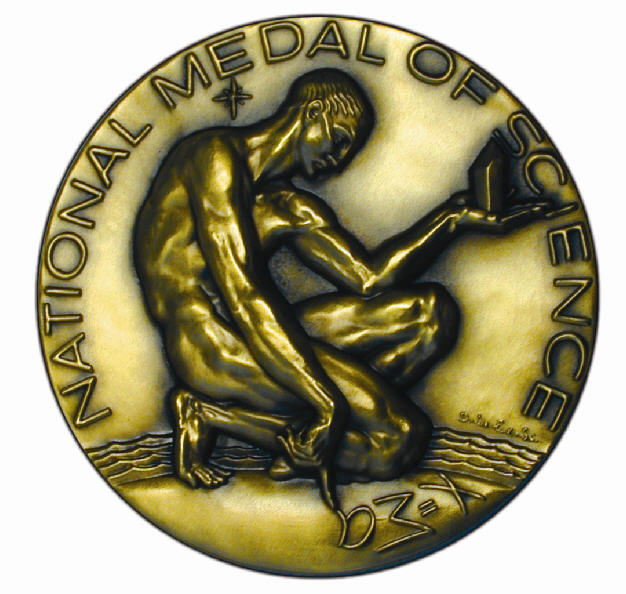


History and administration
Created by an act of the United States Congress in 1959, the medal is presented by the President and administered through a federal science agency. The administration organizes nomination rounds, convenes expert review panels, and forwards recommendations to the White House for final selection and presentation.
Fields and eligibility
The award covers a wide range of disciplines, including behavioral and social sciences, biological sciences, chemistry, engineering, mathematics and physics. Recipients are typically chosen for sustained excellence over a career; nominees generally come from the research, academic, or technical communities and are most often citizens of the United States.
Nomination and selection
Individuals and organizations may submit nominations documenting a candidate’s achievements. Independent disciplinary committees assess contributions and significance, prepare evaluations, and recommend a short list to the administering agency. The President approves and confers the medal in a public ceremony.
Significance and distinctions
The National Medal of Science is among the nation’s top recognitions for researchers and engineers. It highlights fundamental discovery and scholarly leadership and is frequently mentioned alongside national awards that honor technological innovation and applied achievements.
Further information and resources
- Presidential presentation and ceremony
- Scope of recognized scientific fields
- Engineering and applied science topics
- Behavioral science contributions
- Social sciences and public policy relevance
- Biological and life sciences
- Chemistry and molecular sciences
- Mathematics and theoretical work
- Physics and physical sciences
Questions and answers
Q: Who is responsible for awarding the National Medal of Science?
A: The President of the United States is responsible for awarding the National Medal of Science.
Q: What areas of science and engineering are eligible for the National Medal of Science?
A: Behavioral and social sciences, biology, chemistry, engineering, mathematics, and physics are all eligible for the National Medal of Science.
Q: What is the purpose of the National Medal of Science?
A: The purpose of the National Medal of Science is to honor individuals who have made important contributions to science and engineering.
Q: Who can receive the National Medal of Science?
A: People who have done important work in science and engineering, particularly in the fields of behavioral and social sciences, biology, chemistry, engineering, mathematics, and physics, are eligible to receive the National Medal of Science.
Q: Are there any restrictions on who can receive the National Medal of Science?
A: Yes, only individuals who have made significant contributions to science and engineering are eligible to receive the National Medal of Science.
Q: How is the National Medal of Science awarded?
A: The National Medal of Science is awarded by the President of the United States.
Q: What is the significance of being awarded the National Medal of Science?
A: Being awarded the National Medal of Science is a great honor and signifies that an individual has made significant contributions to their field of science or engineering.
Related articles
Author
AlegsaOnline.com National Medal of Science Leandro Alegsa
URL: https://en.alegsaonline.com/art/68653