
Ionic compound
A substance made of positively and negatively charged ions held together by electrostatic attraction; characterized by crystal lattices, high melting points, solubility patterns, and conductivity when molten or dissolved.
Overview
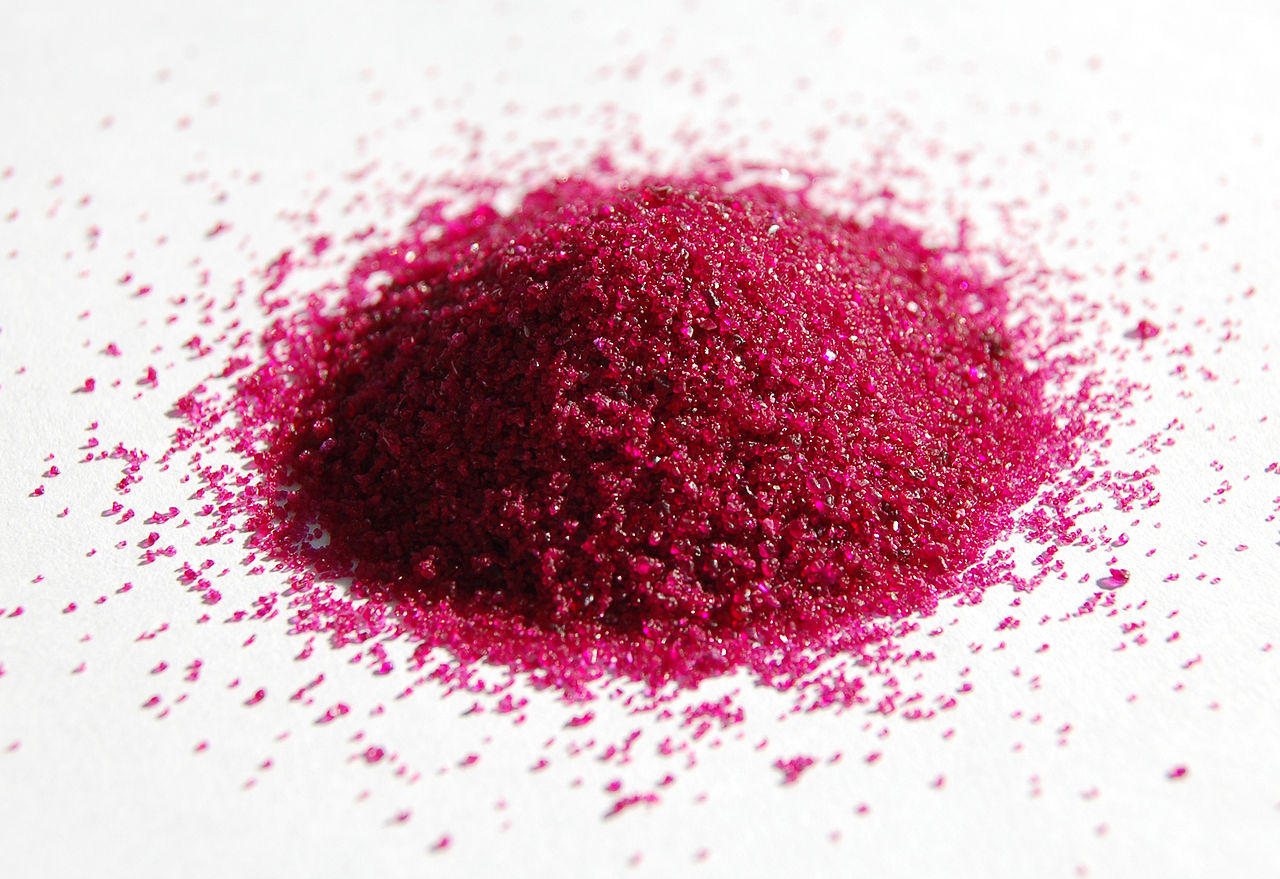
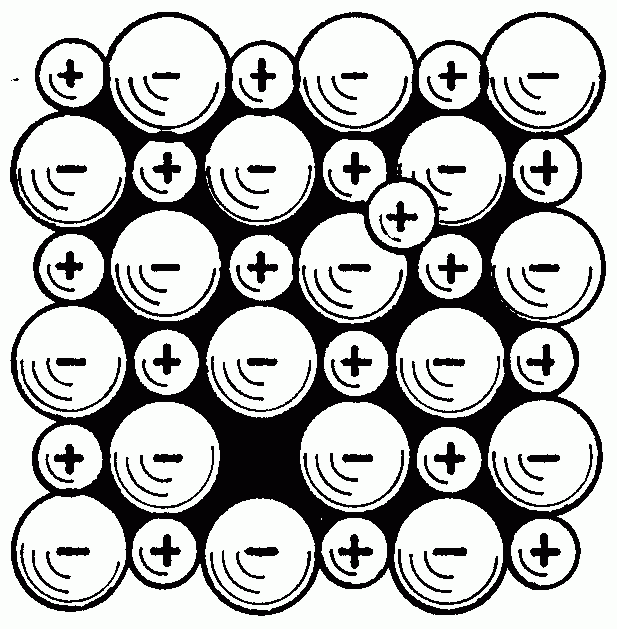
An ionic compound is a chemical substance composed of ions—atoms or groups of atoms that carry an electrical charge. Oppositely charged ions attract each other and assemble into extended three-dimensional arrays called crystal lattices. The electrostatic forces that hold ions together are commonly called ionic bonds. The term contrasts with covalent compounds, where atoms share electrons rather than transfer them.
Image gallery
10 Images



How ionic compounds form
Ionic compounds typically form when one element donates electrons to another so that both reach more stable electronic configurations (often resembling noble-gas electron counts). Metals tend to lose electrons to become positively charged cations, while nonmetals tend to gain electrons to become negatively charged anions. The process is driven by the reduction of overall energy: the attraction between unlike charges and stabilization from completed outer shells. Simple models that explain the energetics include Coulomb's law for attraction, lattice energy, and thermochemical analyses such as Born–Haber cycles.
Structure and typical examples
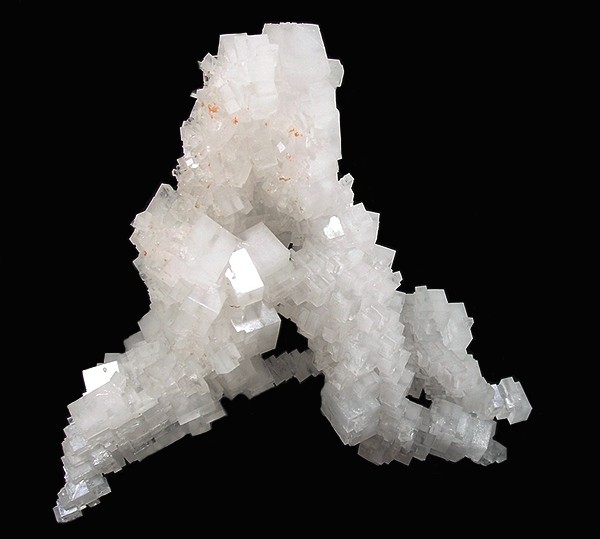
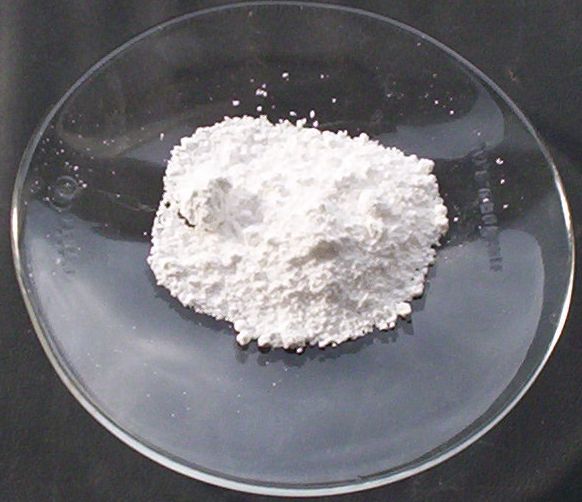
In solid ionic compounds ions occupy regular positions in repeating lattices. Common motifs include the rock-salt lattice (as in sodium chloride, NaCl) and the CsCl-type lattice; coordination numbers (how many opposite ions surround a given ion) reflect ionic sizes and charges. Many ionic compounds contain polyatomic ions—groups of atoms with a net charge—so formulas express the ratio of charge-balanced ions (for example, calcium carbonate CaCO3). Naming typically lists the cation first and the anion second.
Physical and chemical properties
- High melting and boiling points: the strong electrostatic attraction between ions makes ionic solids stable and requires substantial energy to disrupt.
- Electrical conductivity: solid ionic crystals do not conduct electricity well, but when melted or dissolved in water their ions are mobile and conduct current.
- Solubility patterns: many ionic compounds dissolve in polar solvents (notably water), though solubility varies widely depending on lattice energy and ion–solvent interactions.
- Brittleness: ionic crystals are typically brittle—shearing layers can bring like charges into contact, causing repulsion and fracture.
Uses, importance and examples
Ionic compounds are ubiquitous in nature and technology. Table salt (NaCl) is essential for life and food preservation; ionic solids such as metal oxides and halides are important in ceramics, metallurgy, and catalysis. Electrolytes—ionic solutions—are central to batteries, biological systems, and electrochemical manufacturing. Industrial processes often exploit differing solubilities and reactivities of ionic species.
Distinctions and notable points
Not all compounds fall neatly into "ionic" or "covalent" categories; many bonds have mixed character. Carbon and silicon commonly form covalent networks rather than ionic salts. Transition metals can produce multiple ionic charges, and large or highly polarizable ions reduce strict ionic character. Conceptual tools—formal charges, electronegativity differences, and spectroscopic or crystallographic data—help classify bonding in ambiguous cases.
Further reading and resources
- Definitions and basic concepts
- Ionic vs covalent bonding
- Ions: cations and anions
- Ionic bond strength and lattice energy
- Energy considerations in formation
- Thermal properties and heat effects
- Melting points and phase changes
- Boiling and vaporization of ionic substances
- Charge balance and stoichiometry
- Electron transfer and the octet concept
- Atoms and ions: periodic trends
- Common exceptions and borderline cases
Related articles
Author
AlegsaOnline.com Ionic compound Leandro Alegsa
URL: https://en.alegsaonline.com/art/47987