
iOS 6 — Apple's sixth major mobile operating system (2012)
iOS 6 is the sixth major release of Apple's mobile operating system, introduced in 2012. It added Apple Maps, Passbook, Facebook integration and other features; its final update was iOS 6.1.6.
Overview
iOS 6 is the sixth major version of Apple's mobile operating system for iPhone, iPad and iPod touch. Announced at Apple's Worldwide Developers Conference and released to the public on September 19, 2012, it continued Apple's pattern of annual releases with a mixture of new apps, system services and user-interface refinements. The release shipped as the native operating system on the iPhone 5 and also supported many then-current Apple devices.
Image gallery
2 Images
Key features and changes
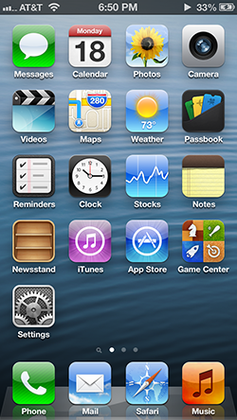
iOS 6 introduced a set of visible and under-the-hood changes intended to broaden Apple’s control over core services and to add user conveniences. Notable additions included:
- Apple Maps: a new, Apple-designed mapping and navigation app that replaced Google Maps as the default mapping service and added turn-by-turn navigation and vector-based maps.
- Passbook: an app for storing boarding passes, tickets, coupons and loyalty cards in a single place, a forerunner of the later Wallet app.
- System and app improvements: enhanced Siri capabilities, deeper Facebook integration through single sign-on, shared Photo Streams, FaceTime improvements and enhancements to Mail and Safari such as iCloud tabs and offline reading lists.
- Convenience and privacy: features like Do Not Disturb, quicker responses to phone calls with Reply with Message and Remind Me Later options, plus other refinements.
History and reception
The introduction of an Apple-built Maps app was among the most discussed aspects of iOS 6. While Apple aimed to create tighter integration with its platform, the initial Maps data and routing accuracy drew significant criticism, which the company publicly acknowledged and subsequently worked to improve. Other aspects of the release, such as Passbook and tighter social-network integration, were generally well received for their practical utility.
Updates, device support and lifecycle
Apple issued several maintenance updates for iOS 6, and the final public build was iOS 6.1.6. Over time iOS 6 was superseded by iOS 7, which introduced a major visual redesign and new APIs. iOS 6 therefore represents the end of one era of Apple’s mobile UI approach before the flatter design language and other changes introduced in the next major release.
Legacy and notable distinctions
iOS 6 is notable for two contrasting reasons: it marked Apple’s move to replace several Google-provided services with its own alternatives, and it represents the last major iOS version before the sweeping design changes of iOS 7. For historical context and official resources about Apple's software, see Apple and the broader iOS documentation and announcements.
Related articles
Author
AlegsaOnline.com iOS 6 — Apple's sixth major mobile operating system (2012) Leandro Alegsa
URL: https://en.alegsaonline.com/art/48000
Sources
- cultofmac.com : "CultofMac.com Bags Best Blog Award in Apple Category"
- engadget.com : "Apple's September 12th event roundup: iPhone 5, new iPods, iOS 6, Lightning and everything else"
- news.cnet.com : "Apple's iOS 6 release date: Start your downloads on Sept. 19"
- techland.time.com : "Apple iOS 6 Here Next Week, iTunes Update Today, New iTunes in October"
- bbc.com : "New Apple maps app under fire from users"
- informationweek.com : "Apple iOS 6 Maps App Flops"
- gottabemobile.com : "Bad iOS 6.1 Battery Life, Other Bugs Plague iOS 6.1 Users"