
iOS 5 — Apple's fifth major mobile operating system release
iOS 5 is Apple’s fifth major iOS release, introducing Notification Center, iMessage, iCloud integration, and over‑the‑air setup and updates. It launched in 2011 and was succeeded by iOS 6.
Overview: iOS 5 is the fifth major version of Apple’s mobile operating system. Announced at the 2011 Worldwide Developers Conference and developed by Apple, it followed iOS 4 and brought several user-facing and cloud‑linked changes intended to reduce reliance on desktop software.
Image gallery
4 Images

Key features
- Notification Center: a centralized banner and pull‑down list replacing interruptive alerts.
- iMessage: a built‑in messaging service for iOS devices using data rather than SMS.
- iCloud and PC Free: initial iCloud support for syncing mail, contacts, calendars, backups and more; devices could be activated and restored without connecting to a computer.
- Over‑the‑air updates: system and app updates could be downloaded and installed directly on the device.
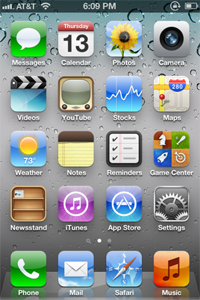
- Other additions: Reminders app, Newsstand, built‑in Twitter integration, camera and Safari improvements.
Hardware and limitations: iOS 5 was designed to run on a range of devices from that era, including the iPhone 3GS and later models, the original iPad and iPad 2, and compatible iPod touch generations. Some features were hardware‑limited: for example, the Siri voice assistant was introduced alongside the iPhone 4S and was not broadly available on older devices, and AirPlay mirroring required newer hardware.
Release and maintenance: Apple announced iOS 5 at WWDC in June 2011 and distributed the public release later that year. The operating system received several point releases to fix bugs and improve stability; the series was replaced by iOS 6 in September 2012. The 5.x line's final maintenance update addressed issues discovered after the initial rollout.
Impact and significance: iOS 5 marked a shift toward cloud‑centered services and less dependence on a paired computer. Notification Center and iMessage influenced user expectations for mobile notifications and messaging. Many of its components—OTA updates, integrated cloud sync, and a unified notification framework—became standard elements of later iOS versions.
Notable facts: The release combined platform updates for end users with new APIs for developers to integrate notifications, background fetching, and Twitter support. Although later releases added more services and refinements, iOS 5 is often noted for reshaping day‑to‑day workflows on iPhone and iPad devices.
For additional technical or historical detail, consult official release notes and platform documentation via Apple and platform archives: iOS resources, Apple developer summaries, comparisons with iOS 4, and the successor overview at iOS 6.
Related articles
Author
AlegsaOnline.com iOS 5 — Apple's fifth major mobile operating system release Leandro Alegsa
URL: https://en.alegsaonline.com/art/47999
Sources
- apple.com : "Apple - Press Info - Apple to Unveil Next Generation Software at Keynote Address on Monday, June 6"
- macobserver.com : "Apple to Release iOS 5 October 12 - The Mac Observer"
- tech.fortune.cnn.com : "Live from Apple's iPhone event - Apple 2.0 - Fortune Tech"
- macworld.com : "iOS 5: What you need to know | Macworld"
- theregister.co.uk : "iOS update woes prompt gnashing of teeth for Apple fans • The Register"
- padgadget.com : "In Case You Forgot: iOS 5 Features Old and New | PadGadget"
- pcworld.com : "The 5 best features in Apple's iOS 5 | PCWorld"
- macworld.com : "WWDC: Apple unveils iOS 5 | Macworld"