
iOS 10 — overview, features, history and device support
iOS 10 is Apple’s 2016 major update to its mobile operating system. It introduced redesigned notifications and lock screen, expanded Siri and Messages capabilities, and changed support for older devices.
Overview
iOS 10 is a major release of Apple’s mobile operating system announced in 2016 and publicly released on September 13, 2016. It followed iOS 9 and delivered a mix of visible user-interface changes and expanded developer APIs. The update focused on richer communication features, tighter integration with third-party apps, and refinements to core system interactions.
Image gallery
3 Images

Main features
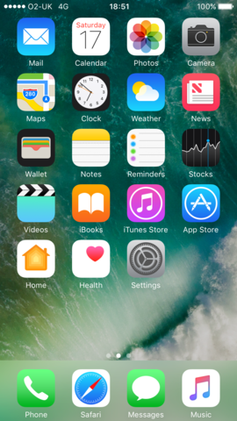
The release introduced several user-facing changes alongside new APIs. Notable additions included a redesigned lock screen and notification system with richer previews, an expanded Messages app that supported animated and sticker content, and an SDK enabling limited access to Siri for third-party apps. Other improvements included enhanced 3D Touch shortcuts, updated widgets, and new gestures such as raise-to-wake.
- Messages: stickers, message effects, and app extensions
- SiriKit: voice integration for ride booking, messaging, payments, and VoIP
- Photos: improved search and on-device face and object suggestions
- Maps, Music and News: visual redesigns and contextual suggestions
- Home: a new app to manage HomeKit accessories
Design, interaction and APIs
iOS 10 refined interactions across the system. The classic "Slide to Unlock" gesture was replaced by a different unlocking flow that relied on the Home button in many devices. Notifications became more interactive and capable of displaying live previews and actions. Apple expanded developer access via new frameworks so apps could offer richer experiences within Messages, respond to voice commands through Siri, or integrate with the Home ecosystem.
Device compatibility and support changes
The update altered support for some older devices. Relative to its predecessor, iOS 10 reduced or changed compatibility for certain models, so a subset of older iPhones and iPads that ran earlier releases were no longer fully supported. This marked one of Apple’s notable shifts in hardware support policy following prior major releases such as iOS 8. Release documentation and upgrade prompts guided users of earlier models like the iPhone 5 and iPhone 5C about available updates and feature limitations.
History and release
iOS 10 was introduced to developers at Apple’s annual World Wide Developer Conference earlier in 2016 and underwent developer and public beta testing before its September public release. The staged beta program and release notes were intended to help app makers adapt to new APIs and to let users test changes ahead of broader deployment.
Legacy and significance
iOS 10 influenced how Apple approached system-level extensibility and communications. By opening parts of the system — notably Messages and Siri — to third parties in a controlled way, it set a precedent for richer in-app experiences and voice interaction. Its design changes, especially around notifications and the lock screen, informed subsequent versions and remain a reference point for later iOS developments.
For more technical details and upgrade guidance see official release notes and developer resources: iOS 10 resources.
Related articles
Author
AlegsaOnline.com iOS 10 — overview, features, history and device support Leandro Alegsa
URL: https://en.alegsaonline.com/art/47995