
Intracerebral hemorrhage (ICH): overview, causes, symptoms, and care
Intracerebral hemorrhage (ICH) is bleeding into the brain parenchyma or ventricles. This article explains presentation, causes, diagnosis, treatment approaches, prognosis, and how ICH differs from other brain bleeds.
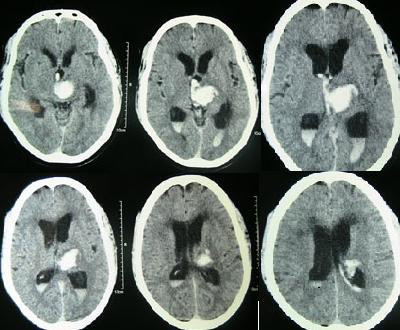
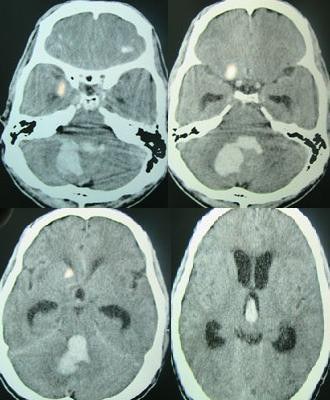
Intracerebral hemorrhage (ICH), sometimes called a cerebral bleed, is bleeding that occurs within the brain itself rather than on its surface. The collection of blood most commonly forms in the brain parenchyma and nearby structures, and it may extend into the ventricular system. ICH causes local tissue damage from the mass of blood and secondary effects such as raised intracranial pressure and reduced blood flow.
Image gallery
3 Images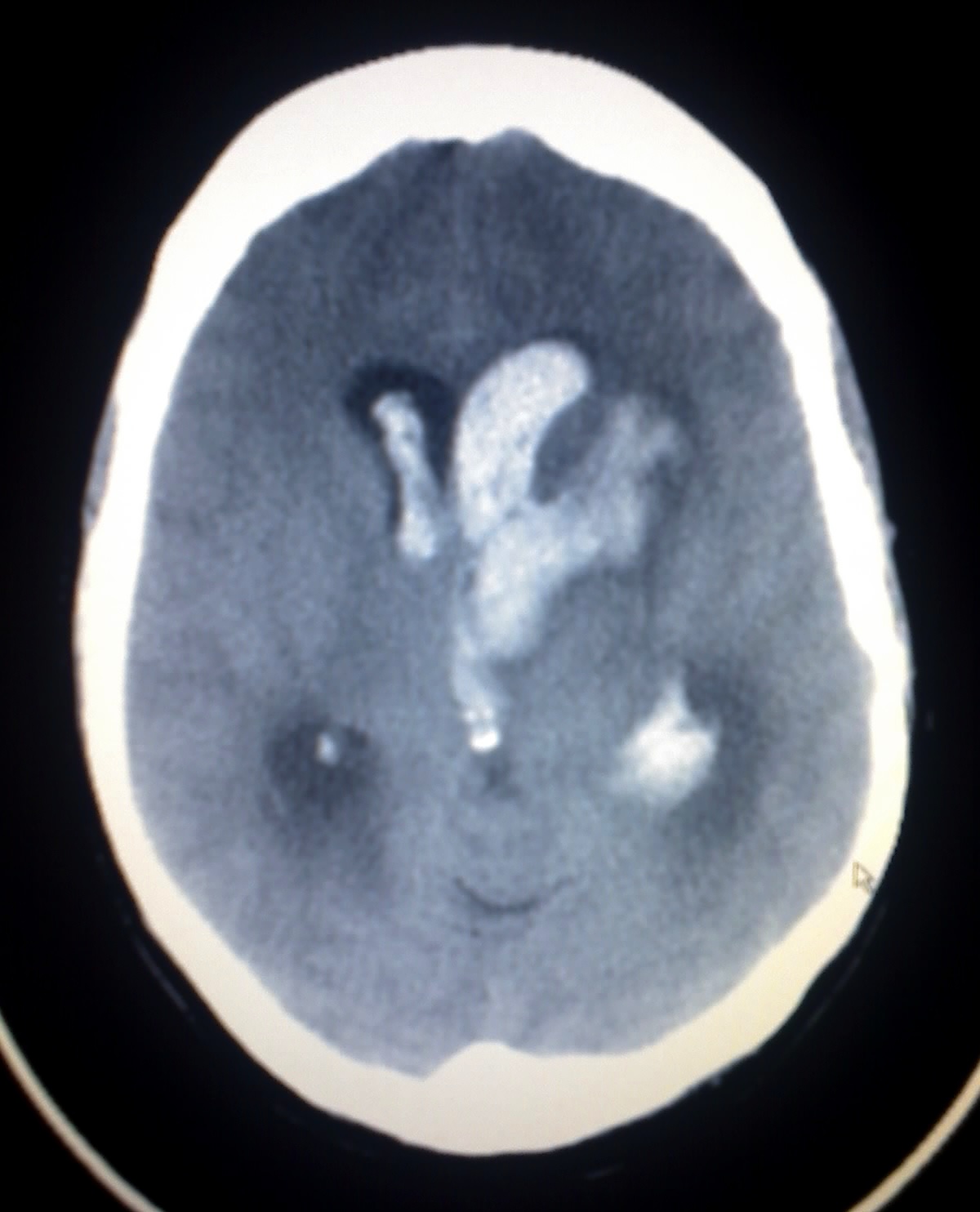
Typical presentation
Symptoms usually develop suddenly and often worsen over minutes to hours. Common features include:
- Focal neurological deficits such as one-sided weakness or speech disturbance.
- Headache — often abrupt and severe headache.
- Altered level of consciousness, ranging from drowsiness to coma reduced awareness.
- Seizures, nausea or vomiting, and sometimes neck stiffness.
- Systemic signs such as fever are not uncommon fever.
Causes and risk factors
Bleeding can result from several mechanisms. Common causes include long-standing high blood pressure, which damages small arteries; cerebral amyloid angiopathy in older adults; traumatic injury; rupture of an aneurysm; and vascular malformations such as an arteriovenous malformation. Use of anticoagulant or antiplatelet drugs, bleeding disorders, and brain tumors also raise risk.
Diagnosis and initial management
Non-contrast CT scan is the fastest way to confirm an acute bleed; MRI and vascular imaging may follow to identify the source. Initial treatment focuses on airway, breathing and circulation, careful control of blood pressure, reversal of anticoagulation when appropriate, and measures to limit intracranial pressure. Neurosurgical intervention is considered for accessible large hematomas or when deterioration is imminent.
Outcomes vary with hemorrhage size, location and patient factors; ICH carries a high early mortality and many survivors require prolonged rehabilitation. Prevention emphasizes blood pressure control, cautious use of anticoagulants, and management of underlying vascular lesions.
Distinctions and notable points
ICH differs from subarachnoid hemorrhage (bleeding in the space around the brain) and from extra-axial bleeds (epidural or subdural). ICH often produces a localized mass effect and can extend into ventricles, which worsens prognosis. Prompt recognition and rapid specialist care are critical to improving outcomes.
Related articles
Author
AlegsaOnline.com Intracerebral hemorrhage (ICH): overview, causes, symptoms, and care Leandro Alegsa
URL: https://en.alegsaonline.com/art/47868
Sources
- books.google.com : Imaging of the Brain, Expert Radiology Series,1: Imaging of the Brain · web.archive.org