
Intravenous therapy (IV therapy)
Intravenous therapy is the medical administration of fluids, medications or blood directly into a vein. It includes types, devices, common uses, risks and brief historical context.
Intravenous therapy, commonly called IV therapy, is the delivery of fluids, drugs or blood products directly into a vein through a needle or catheter. The practice allows rapid and controlled administration and is used in hospitals, clinics and emergency care. For definitions and introductory material see intravenous therapy and related entries such as intravenous injection.
Image gallery
10 Images
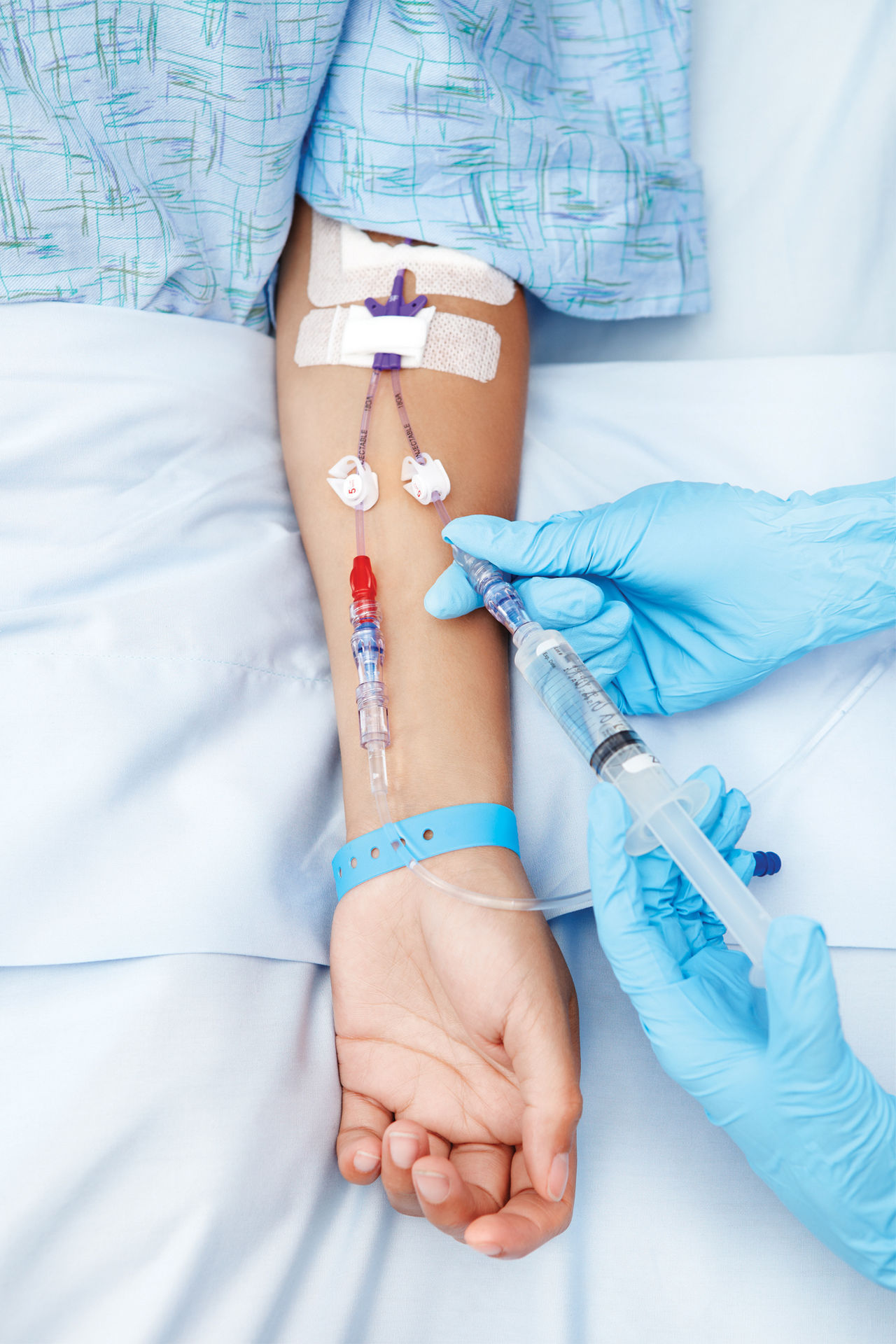





Components and common types
An IV system typically includes an access device (peripheral cannula or central venous catheter), tubing, pumps or gravity sets, and the fluid container. Typical fluids include crystalloids (saline, dextrose solutions), colloids, blood and parenteral nutrition. Medications can be given as single bolus injections or as continuous infusions. General categories include:
- Peripheral IV: short catheter inserted into an arm or hand vein.
- Central venous access: long catheters placed into larger central veins for long-term therapy.
- IV push (bolus) versus continuous infusion using an electronic pump.
History and development
The technique developed over centuries from early experimental injections to routine clinical use. Advances in aseptic technique, catheter materials and infusion technology in the 19th and 20th centuries transformed IV therapy into a lifesaving tool for resuscitation, surgery and chronic treatment.
Indications, benefits and examples
IV therapy is indicated when rapid drug action is required, when oral administration is not possible, or when large volumes and complex nutrient mixtures are needed. Common uses include fluid resuscitation for dehydration, electrolyte correction, delivery of antibiotics and chemotherapy, blood transfusion and total parenteral nutrition. Many medications and recreational substances may be administered intravenously; see general notes about medications and drugs and typical intravenous solutions.
Risks, monitoring and distinctions
Complications can include infection at the insertion site, phlebitis (vein inflammation), infiltration or extravasation when fluid leaks into surrounding tissue, air embolism and catheter-related bloodstream infections. Proper insertion technique, sterile care, regular site inspection and pump alarms reduce these risks. Central lines carry different risks and require specialized management compared with peripheral lines.
IV therapy is a foundational procedure in modern medicine: versatile, efficient and potentially high risk if not performed and monitored correctly. For clinical protocols and safety guidance consult institutional resources and detailed clinical references such as intravenous injection summaries and therapeutic guidelines at authoritative sources.
Related articles
Author
AlegsaOnline.com Intravenous therapy (IV therapy) Leandro Alegsa
URL: https://en.alegsaonline.com/art/47875
Sources
- doctors.net.uk : "Pros and cons of different routes of drug administration"
- merckmanuals.com : "Drug Absorption"
- ccoe.rbhs.rutgers.edu : "Medical Implications of Injection Drug Use (09HC09)"
- med.uottawa.ca : "Peripheral Intravenous Access"
- cancer.org : "Types of Transfusions"
- mayoclinic.org : "Home Parenteral Nutrition"
- emedicine.medscape.com : "Injecting Drug Use"