
Intracranial hemorrhage
Bleeding inside the skull that damages brain tissue; types, causes, symptoms, diagnosis, treatment, outcomes and prevention explained for a general audience.
An intracranial hemorrhage is bleeding that occurs inside the head and directly affects the brain. The term combines "intracranial" (inside the skull) and "hemorrhage" (serious bleeding). When bleeding happens within or around the brain, it can raise pressure, compress tissue and block delivery of oxygen, causing brain cells to fail. One major clinical presentation is a hemorrhagic stroke, which differs from ischemic stroke because it is caused by rupture rather than blockage.
Image gallery
5 Images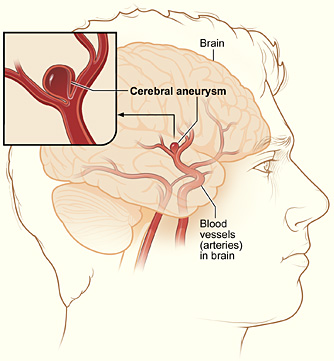


Types and characteristic locations
Intracranial hemorrhages are categorized by where blood collects. Common types include:
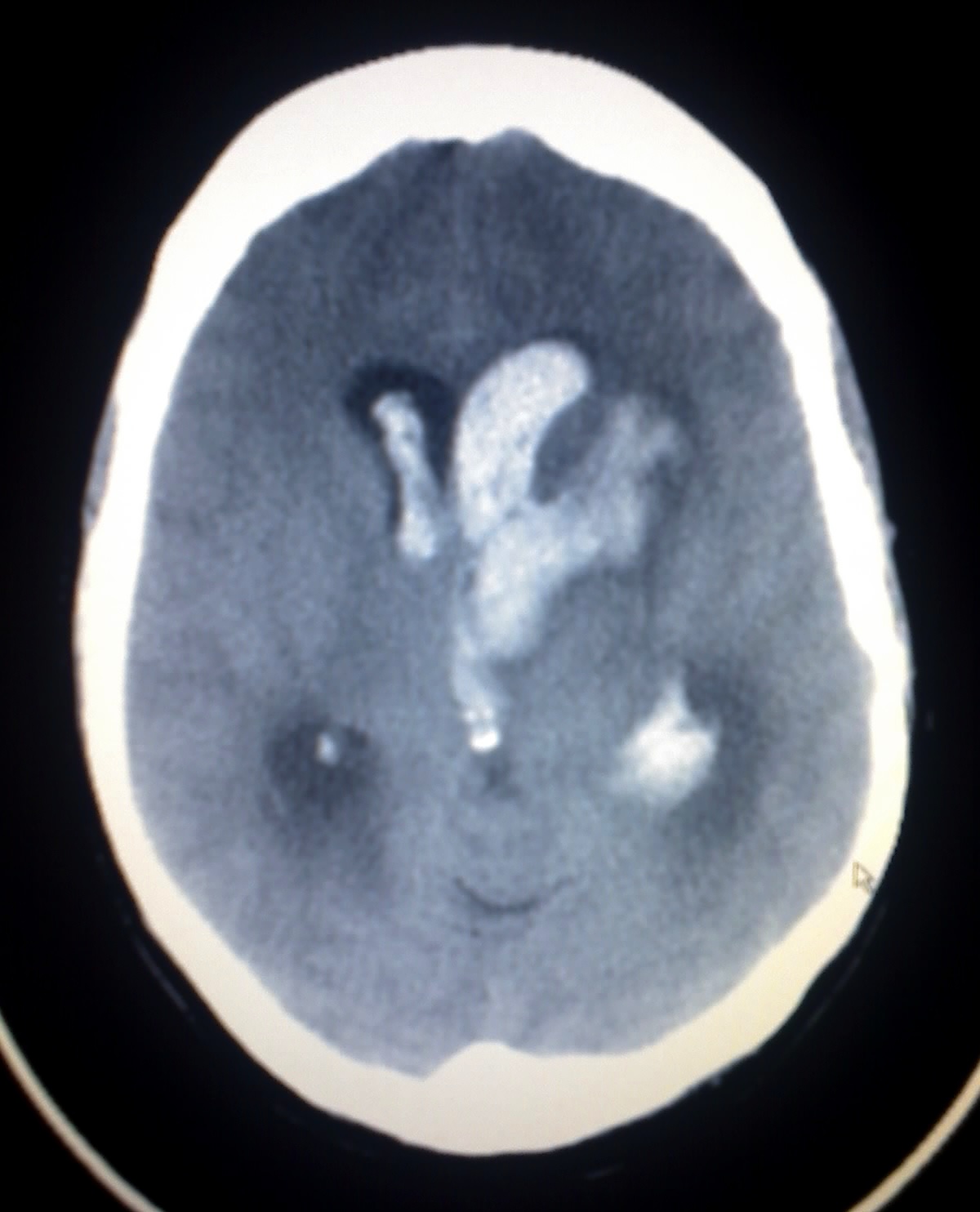
- Intracerebral (or intraparenchymal): bleeding into brain tissue itself, often from small vessel rupture.
- Subarachnoid: blood enters the space between the brain and the thin membranes covering it; often linked to aneurysm rupture.
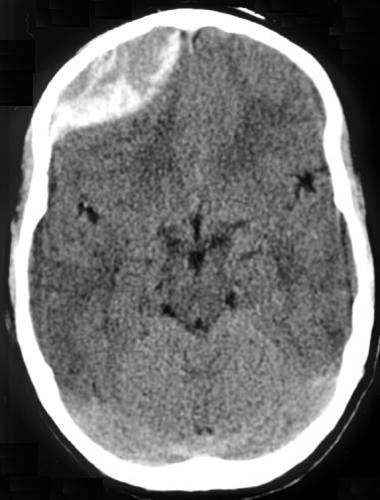
- Subdural: blood gathers between the dura and the brain surface, frequently after trauma.
- Epidural: bleeding between the skull and dura, classically associated with skull fracture and arterial tear.
Causes and risk factors
Bleeding can follow direct injury or arise without obvious trauma. Contributing causes include long-standing high blood pressure, ruptured aneurysms or vascular malformations, disorders of blood clotting, and anticoagulant or antiplatelet medications. Weakness of the blood vessel wall, age-related changes and certain infections or tumors may also play a role. In all cases the immediate source is a breach of the brain's blood vessels.
Signs, diagnosis and acute care
Presenting features vary by size and site of the bleed. Common signs are sudden severe headache, nausea or vomiting, decreasing consciousness, weakness or numbness on one side, difficulty speaking or seeing, and seizures. Rapid evaluation uses brain imaging—non‑contrast CT is the usual first test, with MRI or angiography used for further detail. Initial treatment focuses on airway and circulation support, reducing intracranial pressure, controlling blood pressure, and reversing blood-thinning drugs when necessary.
Treatment options and recovery
Management ranges from observation and medical therapy to neurosurgical interventions. Neurosurgeons may perform clot evacuation, decompression, or place drains to relieve hydrocephalus. Endovascular techniques can secure aneurysms or arteriovenous malformations. Rehabilitation—physical, occupational and speech therapy—is often required during recovery. Outcomes depend heavily on hemorrhage size, location, patient age and underlying health.
Prevention and notable considerations
Preventive measures include effective blood pressure control, careful use and monitoring of anticoagulant medications, and addressing modifiable vascular risks such as smoking and uncontrolled diabetes. Some complications are specific to type: for example, subarachnoid hemorrhage can cause delayed cerebral vasospasm, and subdural bleeds may present late with progressive cognitive change. Prompt recognition and rapid medical care improve chances of survival and functional recovery.
Questions and answers
Q: What is an intracranial hemorrhage?
A: An intracranial hemorrhage is bleeding in the brain.
Q: What does "intracranial" mean?
A: "Intracranial" means "inside the skull".
Q: Why is bleeding in the brain dangerous?
A: Bleeding in the brain is dangerous because if enough blood builds up, it can squeeze or crush the brain. It can also prevent oxygen from reaching parts of the brain, leading to their death.
Q: What is a hemorrhagic stroke?
A: A hemorrhagic stroke is a type of intracranial hemorrhage, which is a bleeding in the brain that occurs when the blood vessels in the brain are injured.
Q: What does "hemorrhage" mean?
A: "Hemorrhage" means dangerous bleeding.
Q: When does intracranial hemorrhage happen?
A: Intracranial hemorrhage can happen when the blood vessels in the brain break or are injured.
Q: Is intracranial hemorrhage a type of stroke?
A: Yes, intracranial hemorrhage is a type of stroke, and it is considered the most dangerous type.
Related articles
Author
AlegsaOnline.com Intracranial hemorrhage Leandro Alegsa
URL: https://en.alegsaonline.com/art/47870
Sources
- doi.org : 10.1259/bjr/60601877
- doi.org : 10.1097/SLA.0000000000000255
- stroke.ahajournals.org : "Guidelines for the Management of Aneurysmal Subarachnoid Hemorrhage: A Guideline for Healthcare Professionals from the American Heart Association / American Stroke Association"
- doi.org : 10.1161/STR.0b013e3182587839
- doi.org : 10.1016/S0140-6736(07)60153-6
- pubmed.ncbi.nlm.nih.gov : 17258671