
Interstate 278 (I-278)
Interstate 278 is an urban freeway connecting Linden, New Jersey to the Cross Bronx Expressway in the Bronx, carrying locally named segments through Staten Island, Brooklyn and Queens.
Interstate 278 (I-278) is a signed Interstate Highway that links parts of New Jersey and New York. It begins near Linden, New Jersey, crosses Staten Island, travels through Brooklyn and Queens, and ends on the Cross Bronx Expressway in The Bronx. Rather than being known primarily by its number, many locals refer to individual stretches by their historic or neighborhood names; the corridor therefore functions as a patchwork of urban expressways serving dense residential, industrial and port areas.
Image gallery
10 Images

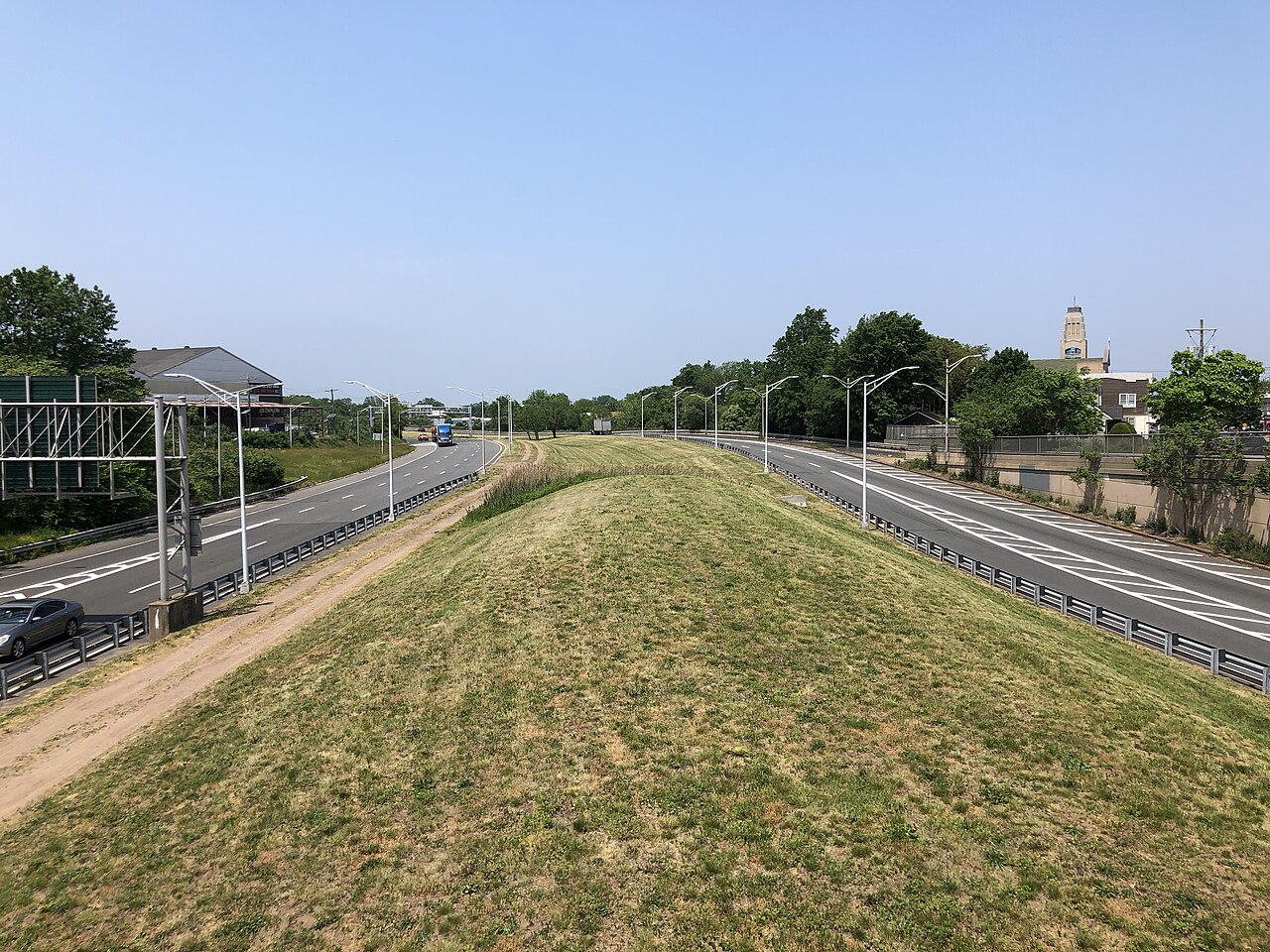


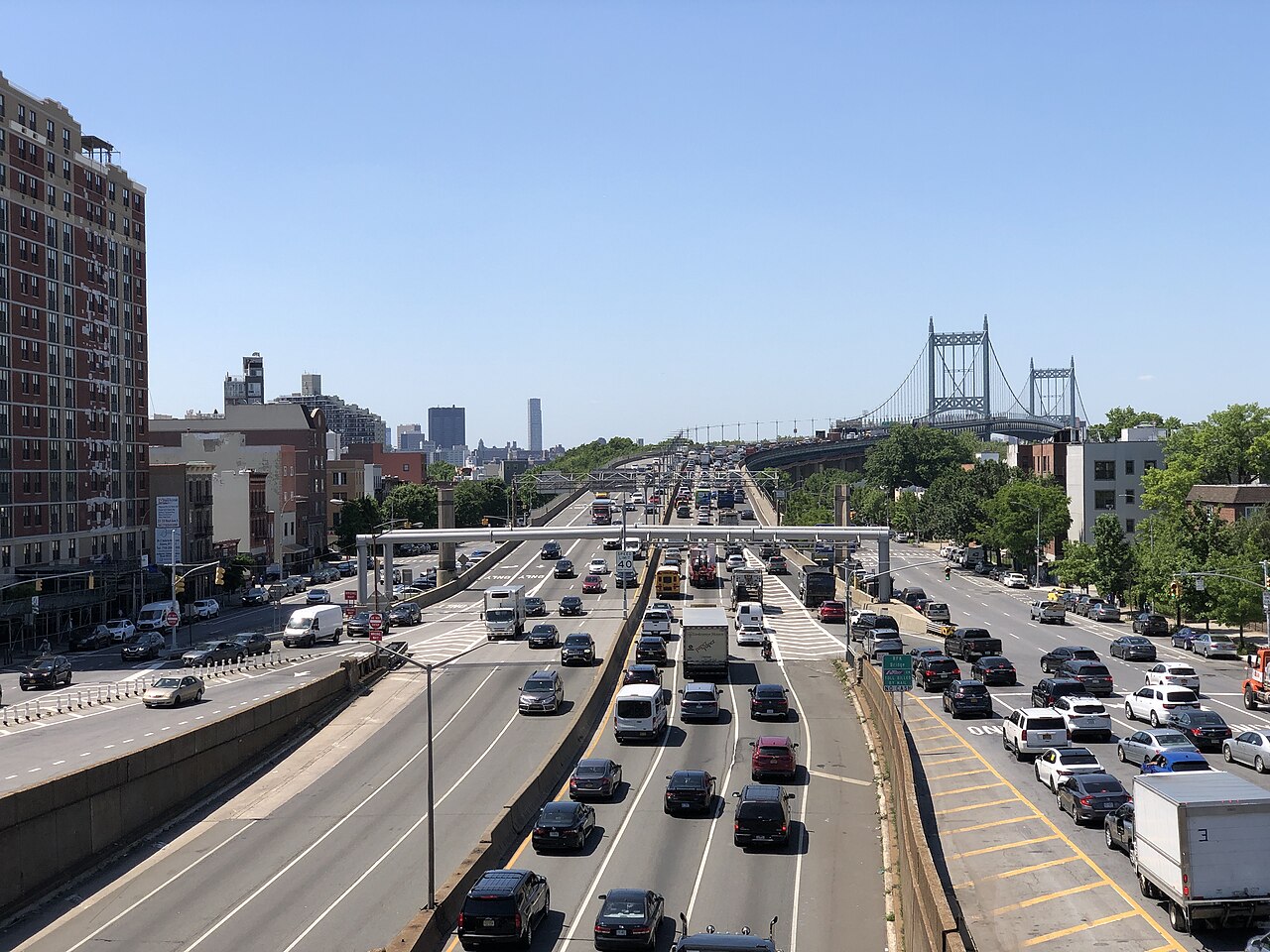


Route and major sections
I-278 is composed of several distinct segments that carry different names and characters. Some portions are elevated expressways cutting through built-up neighborhoods, others are wide limited-access boulevards, and the route includes major river crossings and a large tolled bridge complex. Prominent sections include:
- Staten Island Expressway – the main east–west route across Staten Island connecting the New Jersey state line area to the Verrazzano Narrows approaches.
- Brooklyn–Queens Expressway (BQE) – a major artery around central Brooklyn and northwest Queens, with mixes of elevated roadway and surface-level ramps.
- Gowanus Expressway – the western Brooklyn approach toward the Brooklyn-Queens corridor and waterfront industrial areas.
- Robert F. Kennedy Bridge (formerly the Triborough Bridge) – a three-way bridge complex carrying traffic among the Bronx, Manhattan and Queens and forming part of I-278.
- Bruckner Expressway – the eastern Bronx section that connects I-278 traffic into the Cross Bronx and regional interstates.
History and development
The highway developed in pieces over several decades during the 20th century as city, state and federal agencies completed bridges and elevated expressways to improve cross-borough movement. Early bridge projects, neighborhood ramps and mid-century expressway construction were later tied together and designated as an Interstate route. Because the corridor cuts through long-established neighborhoods and industrial districts, its construction and subsequent upgrades have often been the focus of public debate around displacement, air quality and visual impacts.
Operations, maintenance and improvements
Responsibility for I-278 is shared. State departments of transportation manage most roadway segments in their states, while bridge authorities operate certain span complexes. In recent years there have been substantial rebuilding and replacement projects along the route: major bridge replacements, rehabilitation of elevated roadway structures, and pavement renewals to address aging infrastructure and modern traffic demands. Notable projects have included the replacement of key river crossings and ongoing repair work on sections of the BQE, which has been the subject of several planning proposals and community discussions.
Uses, traffic and significance
I-278 is a crucial urban connector for commuters, commercial vehicles and port-related freight. It links residential neighborhoods to employment centers, provides access to marine terminals and intermodal facilities, and ties into other major routes that serve airports and regional corridors. Because it traverses densely populated areas, the route experiences heavy congestion, peak-hour delays and a high proportion of truck traffic; these conditions have driven policies concerning traffic management, structural upgrades and environmental mitigation.
Notable distinctions and considerations
The highway is distinctive for the number of local names attached to its stretches and for spanning multiple jurisdictions within a short distance. These characteristics complicate planning: repairs and upgrades require coordination among municipal, state and regional authorities and often involve public review. For travelers, the roadway is best understood by its local segment names as much as by the I-278 designation; for planners and historians, the corridor illustrates the complexity of maintaining major urban expressways built in an earlier era.
For more information and route maps, consult state transportation resources and regional agency pages that cover specific projects and traffic advisories. See also documents and outreach materials produced by agencies responsible for the major bridges and expressway sections.
Related articles
Author
AlegsaOnline.com Interstate 278 (I-278) Leandro Alegsa
URL: https://en.alegsaonline.com/art/47768