
Interstate 4 (I‑4) — Florida’s central east–west Interstate
Interstate 4 (I‑4) is an approximately 132‑mile east–west limited‑access highway entirely within Florida, connecting Tampa to Daytona Beach via Orlando. It is a key corridor for commuters, freight, and tourism.
Interstate 4 (I‑4) is a principal east–west limited‑access highway that runs roughly 132 miles across the U.S. state of Florida. Beginning near the junction with Interstate 75 in Tampa, the route crosses the central portion of the peninsula and ends at Interstate 95 on the Atlantic coast at Daytona Beach. The highway serves the Orlando metropolitan area and several smaller cities en route.
Image gallery
10 Images




Characteristics and route
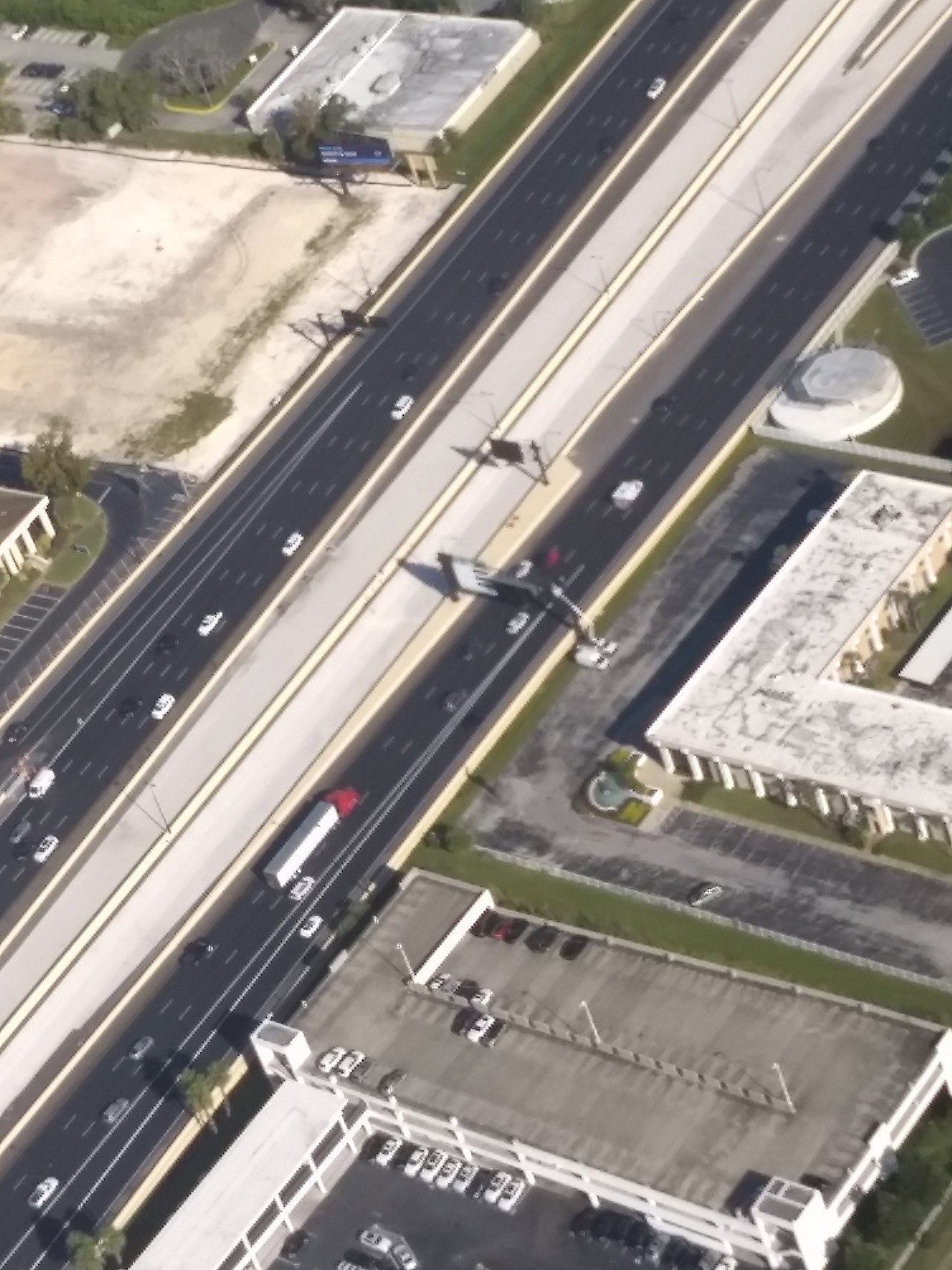
I‑4 is a fully controlled‑access interstate, designed for high‑speed travel between major urban centers. Lane counts and interchange types vary along the corridor; through urban areas it widens to multiple lanes with collector–distributor ramps and express lanes in some segments. The highway provides connections to regional freeways, airports and tourist destinations, and carries a mix of commuter, commercial and long‑distance traffic.
History and development
Planned and built as part of the post‑war Interstate Highway program, I‑4 was constructed in sections and opened progressively through the mid‑20th century. Over time the corridor has been upgraded to address growing traffic volumes, safety concerns and changing travel patterns. Major reconstruction and widening projects in the Orlando area have reshaped interchanges and added managed lanes to improve throughput.
Uses and importance
I‑4 is vital to central Florida’s economy: it moves freight between the Gulf and Atlantic coasts, supports large daily commuter flows, and provides primary access to theme parks, convention centers and resort areas. During severe weather events it functions as an evacuation and emergency route. The term "I‑4 Corridor" is also used in political and economic discussions to describe central Florida's dynamic and rapidly changing region.
Notable facts
- Length: about 132 miles, entirely within the state of Florida.
- Endpoints: links I‑75 near Tampa and I‑95 near Daytona Beach.
- Major city served: Orlando, the corridor’s primary urban hub for tourism and conventions.
- Ongoing improvements include capacity increases, interchange rebuilds and managed‑lane projects to reduce congestion and improve safety.
Because of its role connecting population centers, ports and attractions, I‑4 remains one of Florida’s most scrutinized and heavily traveled interstates. Travelers and planners closely watch construction activity and corridor studies that shape its future capacity and operation.
Related articles
Author
AlegsaOnline.com Interstate 4 (I‑4) — Florida’s central east–west Interstate Leandro Alegsa
URL: https://en.alegsaonline.com/art/47775
Sources
- fhwa.dot.gov : "Route Log and Finder List: Table 1"
- dot.state.fl.us : FDOT
- dot.state.fl.us : "Florida Department of Transportation Interchange Report"