
International Alliance of Research Universities (IARU)
A global network of leading research-intensive universities founded in 2006 to foster collaboration in research, education and policy. Members include top institutions from Europe, Asia, North America, and Oceania.
Overview
The International Alliance of Research Universities (IARU) is a consortium of research-intensive universities that work together to promote excellence in scholarship, to create cross-border research collaborations, and to develop shared educational initiatives. Formed to help member institutions address large, complex challenges, the alliance serves as a forum for joint projects, student and faculty exchanges, and policy discussion among leading academic centres around the world.
Image gallery
10 Images




History and purpose
IARU was launched in January 2006 with the aim of bringing together a small group of universities that combine strong disciplinary research with global reach. Its founding purpose was to enable long-term partnerships that are difficult for single institutions to sustain alone: pooled expertise, coordinated strategies for research infrastructure, and shared educational programs for graduate and undergraduate students. Over time the alliance has focused on themes such as sustainability, public health, digital scholarship, and urban resilience.
Members
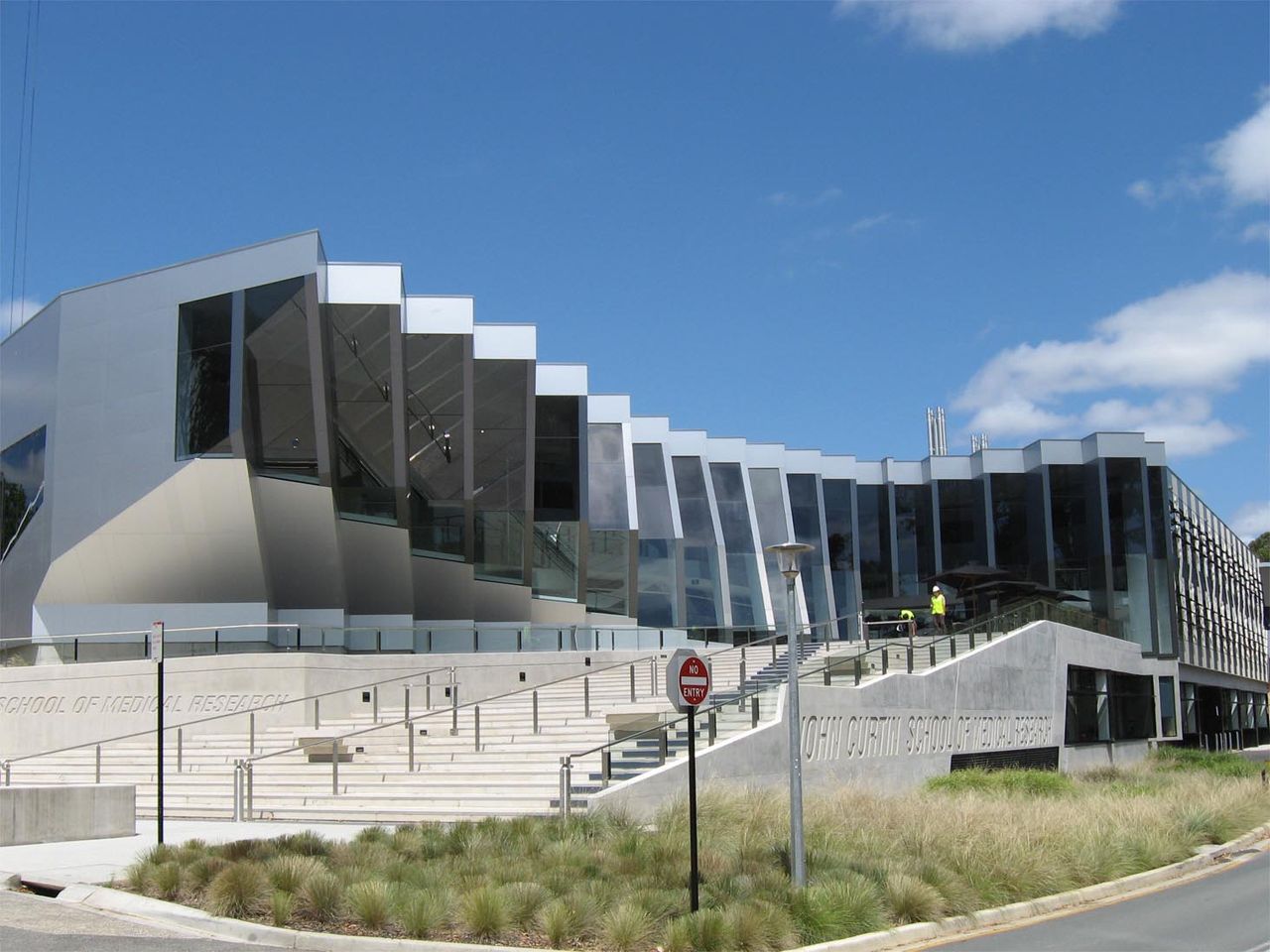
 Australian National University — a founding member and representative from Oceania; member profile
 University of Cambridge — longtime research leader in the United Kingdom; member profile
- University of Oxford — a centre for broad disciplinary strength and global partnerships; member profile
 University of California, Berkeley — representing public research universities in North America; member profile
- Yale University — US private research university active in interdisciplinary initiatives; member profile
 Peking University — a major research university representing China in the alliance; member profile
 National University of Singapore — a hub for research and innovation in Southeast Asia; member profile
 University of Tokyo — leading Japanese research institution engaged in international projects; member profile
 University of Copenhagen — representing Nordic research priorities and sustainability work; member profile
 ETH Zurich — Swiss technical university known for science and engineering collaborations; member profile


Activities and impact
Members collaborate through joint research clusters, doctoral training networks, and thematic working groups. Common activities include co-funded research projects on global issues, coordinated summer schools and exchanges for students, shared data and methods workshops, and policy outreach that leverages academic expertise to advise governments and international bodies.
Structure, governance and notable features
The alliance is organized to encourage peer-led initiatives: representatives from member universities meet in councils or steering committees to set priorities and approve collaborative programs. Rather than being a large central bureaucracy, IARU typically supports seed funding, convening power, and administrative facilitation so members can scale successful bilateral or multilateral projects. Its selective membership model—limited to a small number of top research universities—helps maintain focus on high-impact collaboration.
Significance and distinctions
IARU is notable for combining institutions from multiple continents and research traditions, which helps generate diverse perspectives on scientific and societal problems. By concentrating on research-intensive universities, the alliance amplifies translational research that can inform policy and industry. While smaller than some global networks, its members’ collective capacity for research, training and public engagement makes it an influential actor in higher education diplomacy and international science cooperation.
Related articles
Author
AlegsaOnline.com International Alliance of Research Universities (IARU) Leandro Alegsa
URL: https://en.alegsaonline.com/art/47626