
University of Copenhagen
Denmark's oldest university, founded in 1479, a major research and teaching institution with multiple campuses in Copenhagen, broad international ties, and strong rankings in science and humanities.
Overview
The University of Copenhagen was founded in 1479 and is the oldest university and principal research institution in Denmark. It is the second-oldest centre for higher education in Scandinavia, after Uppsala University. The university serves a large and diverse body of students and staff and combines broad undergraduate education with intensive postgraduate and doctoral training.
Image gallery
10 Images




History and development
Established in the late medieval period, the university grew from a small clerical and legal school into a comprehensive modern university. Over centuries it expanded its teaching and research across the humanities, natural sciences, and professional disciplines. Institutional reforms in the 19th and 20th centuries led to new faculties and closer links with hospitals, museums and research institutes in the Copenhagen region.
Campuses, organisation and people
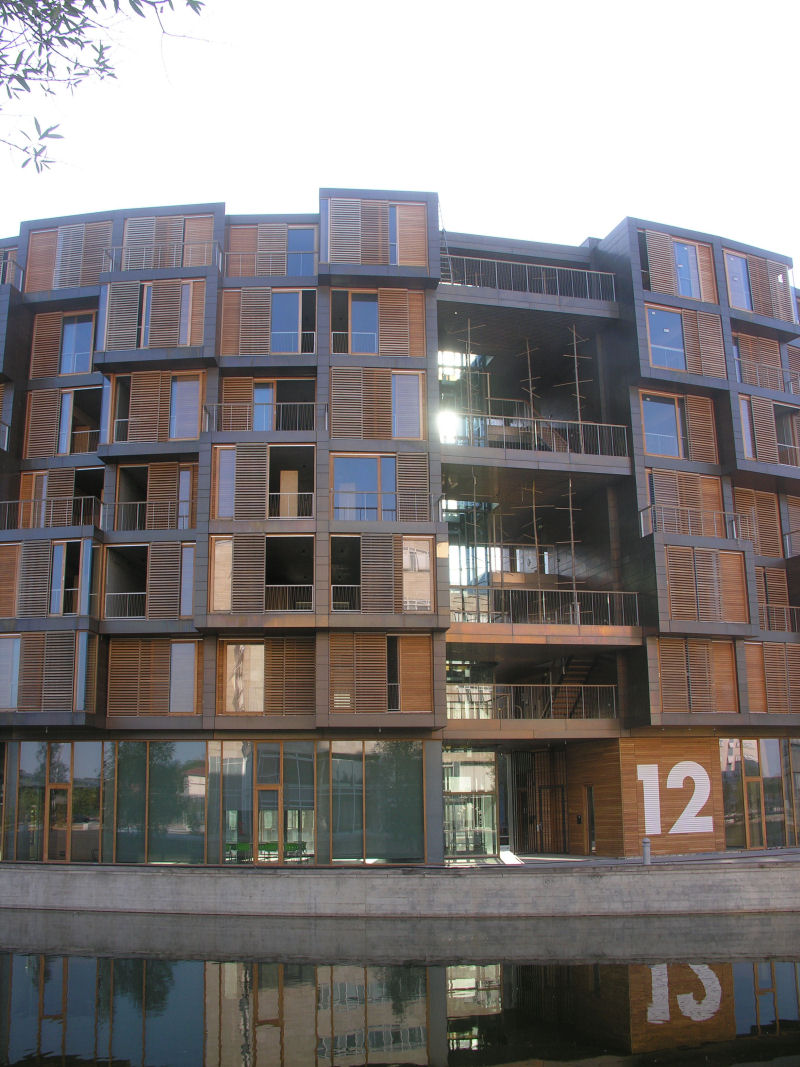
The University of Copenhagen maintains several sites in and around Copenhagen, with four principal campuses serving different faculties. The administrative headquarters are in central Copenhagen. Academic organisation is divided into multiple faculties including:
- Humanities
- Social Sciences
- Law
- Theology
- Health and Medical Sciences
- Science (natural and technical sciences)
Student numbers change from year to year; figures often cited include tens of thousands of undergraduates and postgraduates and several thousand doctoral candidates—about 3,000 doctoral students in recent counts. The staff comprises academics, researchers and support personnel numbering in the thousands.
Teaching, research and international links
Most programmes are taught in Danish, but a substantial selection of master's courses and research programmes are offered in English and a handful in German, reflecting international demand. The university is a member of the International Alliance of Research Universities (IARU) and participates in numerous European and global research collaborations. It is widely recognised for strong performance in life sciences, environmental science and humanities.
Rankings, reputation and role
Nationally it is regarded as the leading university in Denmark and is often ranked among the top institutions in Scandinavia and globally by major ranking organisations. The university plays a central role in Danish research, higher education policy and public life, educating professionals for the public and private sectors and contributing to applied and basic research across many fields.
International students and regional importance
The university attracts several thousand international students; roughly half of non-Danish students come from other Nordic countries, with many others from Europe, Asia and beyond. Its long history and extensive research infrastructure make it a key institution for scholars and students seeking to study or collaborate in the Nordic region.
For further institutional details, see official information pages and research portals linked by the university's published resources (institutional overview, research profiles, administration, national context, regional comparisons, historical counterpart, student statistics, campus guides, contact and address, international student services, international alliances).
Related articles
Author
AlegsaOnline.com University of Copenhagen Leandro Alegsa
URL: https://en.alegsaonline.com/art/103237
Sources
- topuniversities.com : "QS World University Rankings® 2014/15"