
Peking University — overview, history, campus, and academic profile
Peking University (Beida), founded in 1898 in Beijing, is a leading Chinese research university known for its historic campus, broad academic programs, research output, and influential role in modern Chinese intellectual life.
Overview
Peking University, commonly known as Beida, is a comprehensive research university located in Beijing. Established at the end of the 19th century, it combines a strong tradition in the humanities and social sciences with substantial activity in the natural sciences, engineering and professional disciplines. The university is a member of the elite C9 League and is regularly listed among the top institutions in China and internationally. Its founding year, 1898, marks its origins in a period of educational reform in China.
Image gallery
10 Images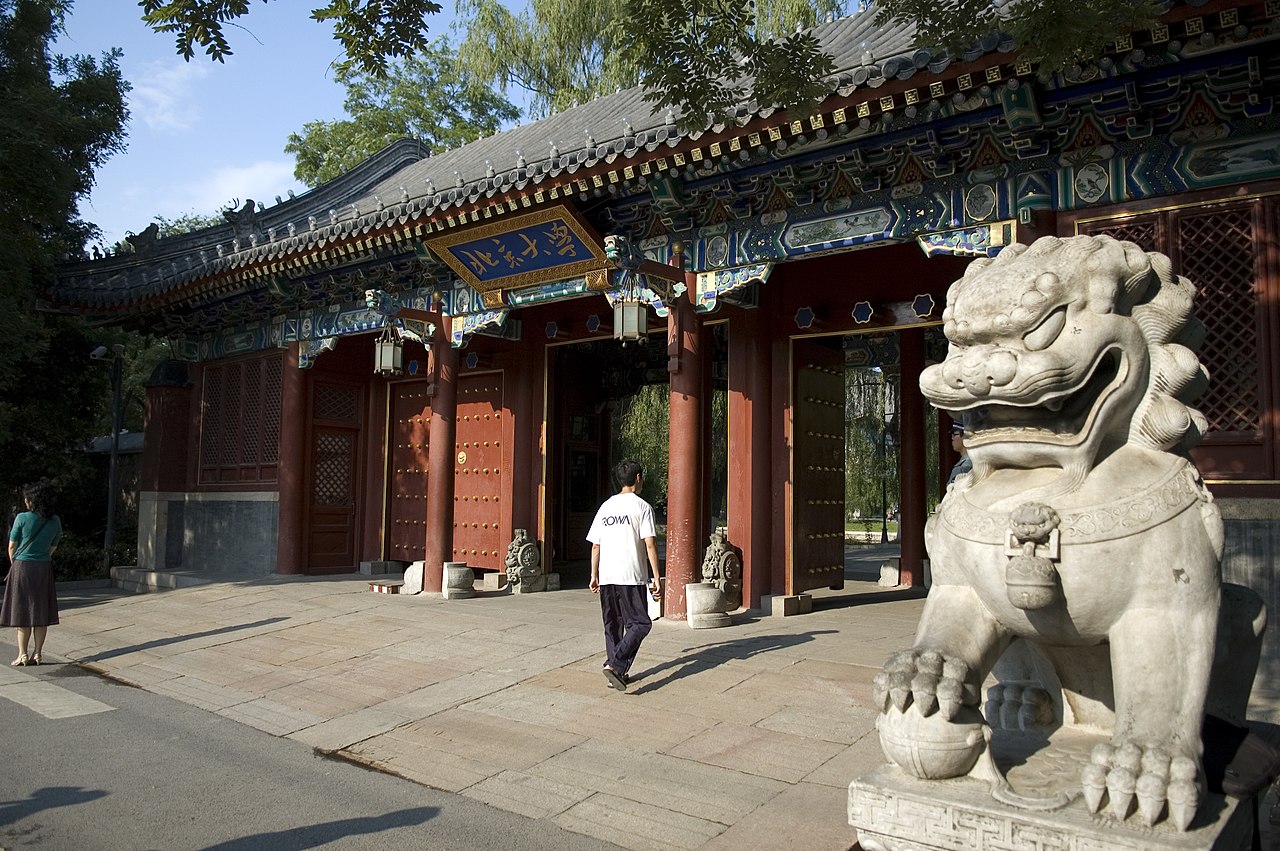




History and influence
Peking University emerged from late Qing-era reforms and quickly became a centre of intellectual exchange and political debate in modern Chinese history. In the early 20th century the university was associated with major cultural and educational movements and served as a focal point for reformist ideas. Over successive decades Beida has produced scholars, writers, scientists and public figures who have shaped Chinese academic and public life. The institution's historical role remains a defining element of its identity.
Campus and architecture
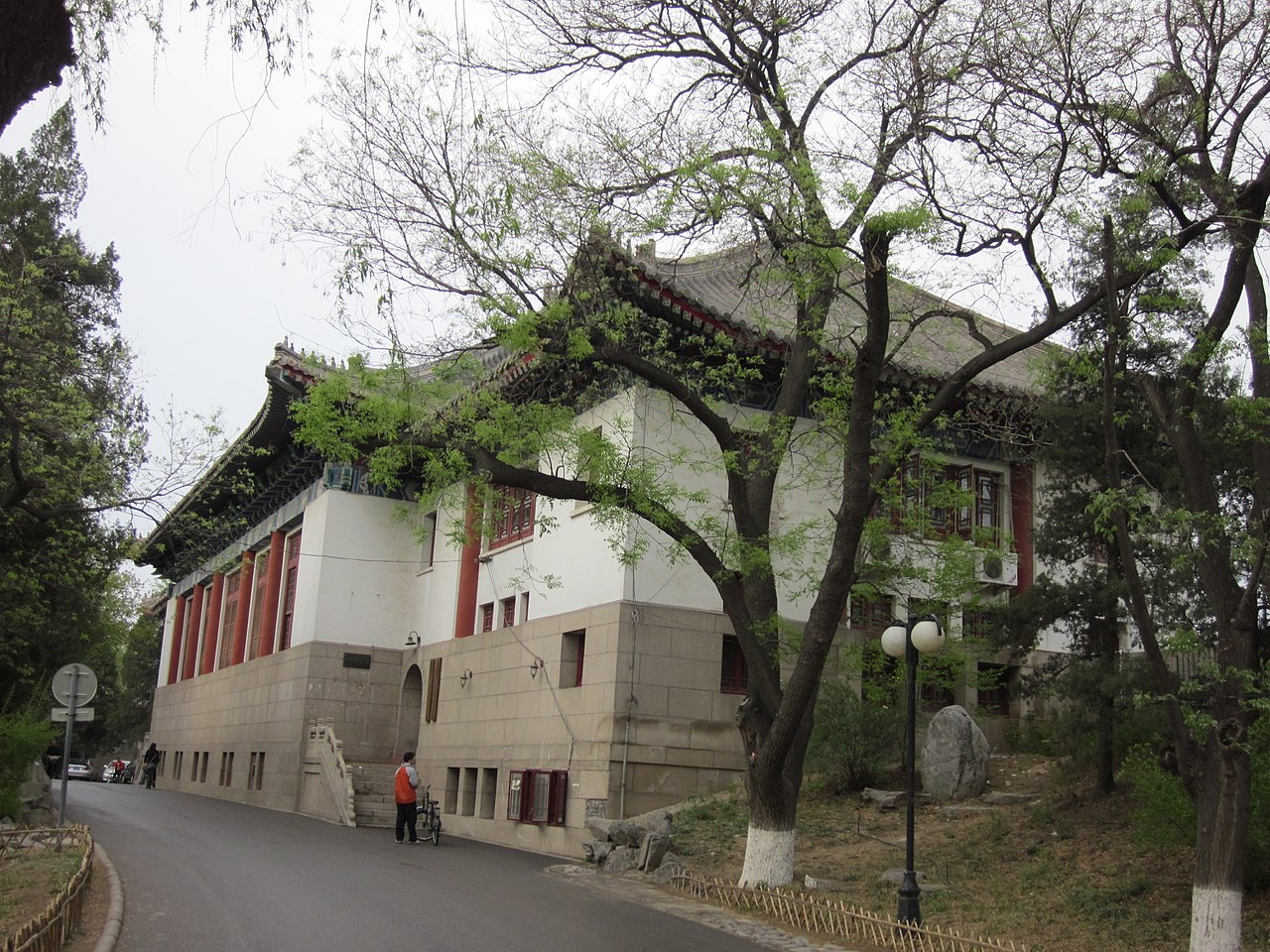
The main campus is noted for a park-like setting that includes Weiming Lake, traditional red-brick and stone buildings, and a mix of classical and modern architecture. Facilities include extensive libraries, laboratories, museums and specialized research centres. The campus design blends historical landmarks with contemporary research infrastructure to support teaching, scholarship and public events.
Academic organization and programs
Peking University is organized into numerous faculties, schools and departments covering a wide range of disciplines: arts and humanities, social sciences, natural sciences, engineering, medicine, and management among others. Undergraduate education is complemented by strong graduate and doctoral programs. The university hosts multidisciplinary research centres, offers professional training, and participates in international exchange programs and collaborative research projects.
Research, libraries and collections
Research is a major focus, with emphasis on both fundamental inquiry and applied work. Peking University maintains extensive library collections and special archives that support scholarship across many fields. Faculty and research institutes contribute to a steady output of publications, patents and public scholarship, and the university often partners with institutions abroad for collaborative research and exchange.
Student life, admissions and global links
Student life at Beida includes academic societies, cultural activities, and public lectures that reflect an active intellectual culture. Admissions are competitive, and the university attracts students from across China and a growing number of international scholars. Peking University engages in international partnerships and exchange agreements with universities and research centres worldwide, enhancing its global presence.
Reputation and public role
- Historical significance: a centre of modern Chinese thought and education.
- Academic breadth: strong programs across humanities, sciences and professional studies.
- International engagement: collaborative research and student exchange.
Peking University continues to balance respect for its historical heritage with modern research priorities and international engagement. It remains a leading institution in China's higher education landscape and an active participant in global academic networks.
Peking University | Beijing | China | Founding and early history
Related articles
Author
AlegsaOnline.com Peking University — overview, history, campus, and academic profile Leandro Alegsa
URL: https://en.alegsaonline.com/art/75476
Sources
- topuniversities.com : QS World University Rankings 2020 - Top Global Universities · archive.org
- worldcat.org : 40906464