
International Atomic Energy Agency (IAEA): mission, structure and history
Independent UN-related organization that promotes safe, peaceful uses of nuclear technology, monitors compliance with non‑proliferation, and provides technical assistance worldwide.
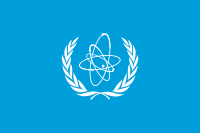
The International Atomic Energy Agency (IAEA) is an autonomous international organization established to promote safe, secure and peaceful applications of nuclear science and technology. Working in close association with the United Nations system, the agency develops safety standards, verifies compliance with nuclear non‑proliferation commitments, and assists countries in using nuclear techniques for development, medicine and industry. The agency describes its core objectives as supporting peaceful uses of nuclear energy, protecting people and the environment from harmful radiation, and preventing the diversion of nuclear material to weapons.
Image gallery
1 Image
Mandate, functions and activities
The IAEA carries out a range of activities that can be grouped into three broad areas: technical cooperation and capacity building, safety and security standards, and safeguards and verification. Through technical missions and training, it helps member states apply nuclear technology in medicine, agriculture, water management and energy. The agency also publishes guidance and convenes peer reviews to strengthen nuclear safety and emergency preparedness. Its safeguards system inspects nuclear facilities and accounts for nuclear material to verify that declared activities remain peaceful.
- Technical cooperation and research support (programmes)
- Safety standards, radiation protection and emergency response (guidance)
- Safeguards and non‑proliferation monitoring (inspections)
- Information exchange, reporting and capacity building (resources)
Origins and development
The IAEA was formally created in 1957 as an independent international organization to implement the idea that the atom should be used for peace. Its statute was approved in 1956 and the agency came into being on 29 July 1957, reflecting early Cold War hopes for international cooperation in controlling nuclear technology. Over subsequent decades the IAEA’s roles expanded to include nuclear safety after accidents and strengthened verification measures following arms control agreements. Its technical assistance programmes grew to address public health, food security and environmental monitoring.
Structure, leadership and locations
The agency is governed by a Board of Governors and a General Conference composed of member states. The Director General leads day‑to‑day operations and oversees a secretariat of scientific and policy experts. The IAEA’s headquarters is located in Vienna, Austria, and it operates additional laboratories and offices around the world. Key sites include a laboratory near Vienna at Seibersdorf, liaison or collaborative facilities in places such as Monaco and technical cooperation offices that have been hosted in cities like Toronto and Tokyo. The Vienna location also connects the agency to other international organizations based in the same city.
Notable actions and recognition
The IAEA has been central to international efforts to verify nuclear non‑proliferation and to respond to nuclear emergencies. Its inspections and reports are often cited in diplomatic discussions about nuclear programmes. In 2005 the agency and its Director General at the time, Mohamed ElBaradei, received the Nobel Peace Prize in recognition of efforts to prevent the spread of nuclear weapons and to promote peaceful uses of nuclear energy. The agency continues to operate under mandates from its membership and to adapt its work in light of technological change and geopolitical developments.
Importance and distinctions
The IAEA occupies a unique role as a technical and verification body with both scientific expertise and diplomatic reach. Unlike treaty bodies that create legal obligations, the agency implements safeguards agreements negotiated between states and the institution. Its guidance documents and safety standards are widely used as benchmarks for regulatory systems, while its impartial inspection activities serve as a confidence‑building mechanism in the international non‑proliferation architecture. For more detailed information on specific programmes, reports and membership, consult official agency publications and member state statements linked through institutional portals (membership, reports, standards, safety).
Additional resources and historical materials can be found via the agency’s chronological records, technical documents and outreach materials (history, technical, education, press).
Questions and answers
Q: What is the International Atomic Energy Agency?
A: The International Atomic Energy Agency (IAEA) is a spin-off organisation from the United Nations. It was created as an autonomous (self-governing) organization on July 29, 1957 with the purpose of monitoring and promoting the peaceful and safe use of nuclear energy while protecting from harmful radiation and preventing its use to build nuclear weapons.
Q: Where is the IAEA headquartered?
A: The IAEA has its headquarters in Vienna, Austria. Additional facilities are located in Seibersdorf (near Vienna), Monaco, Toronto, and Tokyo.
Q: When was the International Atomic Energy Agency established?
A: The International Atomic Energy Agency was established on July 29, 1957.
Q: What did Mohamed ElBaradei receive for his role in trying to prevent Iraq's invasion by US-led coalition troops?
A: Mohamed ElBaradei received the Nobel Peace Prize along with the International Atomic Energy Agency on October 7th 2005 for their role in trying to prevent Iraq's invasion by US-led coalition troops.
Q: What is one of IAEA's main objectives?
A: One of IAEAs main objectives is to monitor and promote the peaceful and safe use of nuclear energy with protection from harmful radiation and also to prevent its use to build nuclear weapons.
Q: How many facilities does IAEA have outside its headquarters in Vienna?
A: The IAEA has four additional facilities outside its headquarters in Vienna; Seibersdorf (near Vienna), Monaco, Toronto, and Tokyo.
Related articles
Author
AlegsaOnline.com International Atomic Energy Agency (IAEA): mission, structure and history Leandro Alegsa
URL: https://en.alegsaonline.com/art/47631