
International Bureau of Weights and Measures (BIPM)
The BIPM is the international organization, based in Sèvres, coordinating uniform measurements, the SI system, laboratory comparisons, timekeeping and global metrology cooperation since 1875.
Overview
The International Bureau of Weights and Measures (BIPM; French: Bureau international des poids et mesures) is an intergovernmental organization located in Sèvres, near Paris, France. Created under the Metre Convention of 1875, its primary mission is to ensure worldwide uniformity of measurements and to coordinate the international system of units (SI). The BIPM acts as a permanent secretariat and a scientific laboratory base for the international metrology community and supports national measurement institutes and regulatory bodies.
Image gallery
8 Images
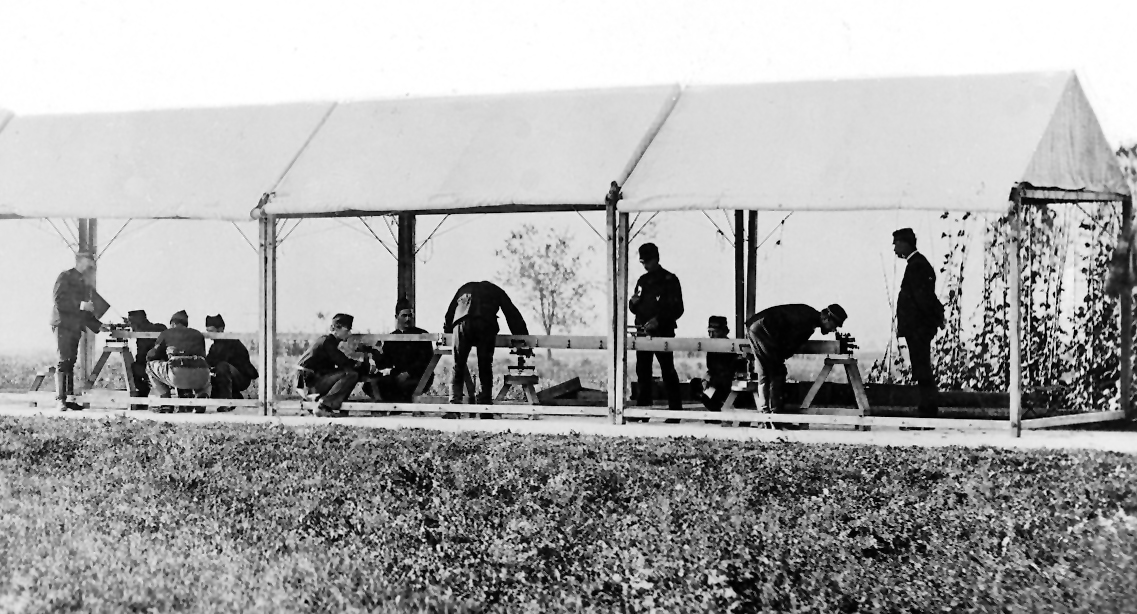


Structure and duties
The BIPM operates as the central technical authority for international metrology and provides secretariat services to the General Conference on Weights and Measures (CGPM) and the International Committee for Weights and Measures (CIPM). Its main responsibilities include:
- Maintaining and promoting the International System of Units (SI) and publishing guidance such as the SI Brochure.
- Coordinating key comparisons that link national measurement standards and establish international equivalence.
- Supporting international committees and consultative working groups for different measurement disciplines (mass, time, electricity, chemistry, etc.).
- Providing traceability and technical services that underpin science, commerce and regulatory compliance.
Laboratories and international comparisons
The BIPM hosts laboratories and technical facilities where metrologists carry out measurements and comparisons. These activities enable national metrology institutes to compare primary standards and to confirm that measurements made in different countries are compatible. The BIPM also plays a coordinating role for comparisons registered in the global Key Comparison Database (KCDB) and offers reference measurements and calibration support. Many visiting scientists and engineers use the BIPM laboratories to perform interlaboratory experiments and to discuss measurement techniques; for more information about the scientific work at the bureau see the BIPM research pages or consult participating lab details at laboratory and comparison resources.
Impact, examples and uses
Accurate and comparable measurements are essential across modern society. The BIPM's work underpins international trade, industrial quality control, environmental monitoring, healthcare diagnostics, and advanced research. One visible example is timekeeping: the BIPM computes International Atomic Time (TAI) by combining data from atomic clocks worldwide, providing a stable time reference used by many systems. Changes to the definitions of SI units, such as the 2019 redefinition of the kilogram based on fundamental constants, are coordinated through the BIPM and its consultative committees to ensure global continuity and traceability.
History and notable facts
The BIPM was established following the Metre Convention to create an international, stable basis for length and mass measurements. Over time, its remit expanded to cover all SI base units and derived quantities. Historically the bureau housed prototypes and worked with member states to maintain artefacts of measurement; in recent decades the emphasis has shifted toward realizations based on fundamental constants and quantum standards. The BIPM serves member states and associate states, convenes international meetings, and publishes technical guidance and reports—further details and documents can be found via the bureau's information portals, for example official publications and resources.
Note: The BIPM is a coordinating body and does not replace national measurement institutes; instead it provides the international framework that enables those institutes to produce comparable, traceable measurements worldwide.
Related articles
Author
AlegsaOnline.com International Bureau of Weights and Measures (BIPM) Leandro Alegsa
URL: https://en.alegsaonline.com/art/47637
Sources
- bipm.org : "Bureau international des poids et mesures"