
Intercropping: principles, types, benefits and practical considerations
Intercropping is the simultaneous cultivation of two or more crops in the same field to increase productivity, improve resource use, conserve soil and enhance resilience in farming systems.
Intercropping is the practice of growing two or more crops together on the same piece of land during a portion or the whole of their growth cycles. Rather than relying on a single species, intercropping seeks to increase total production per unit area and to make better use of light, nutrients, water and space. When well designed, intercropping reduces idle resource pools that a monoculture cannot exploit and can support more resilient agroecosystems.
Image gallery
5 Images
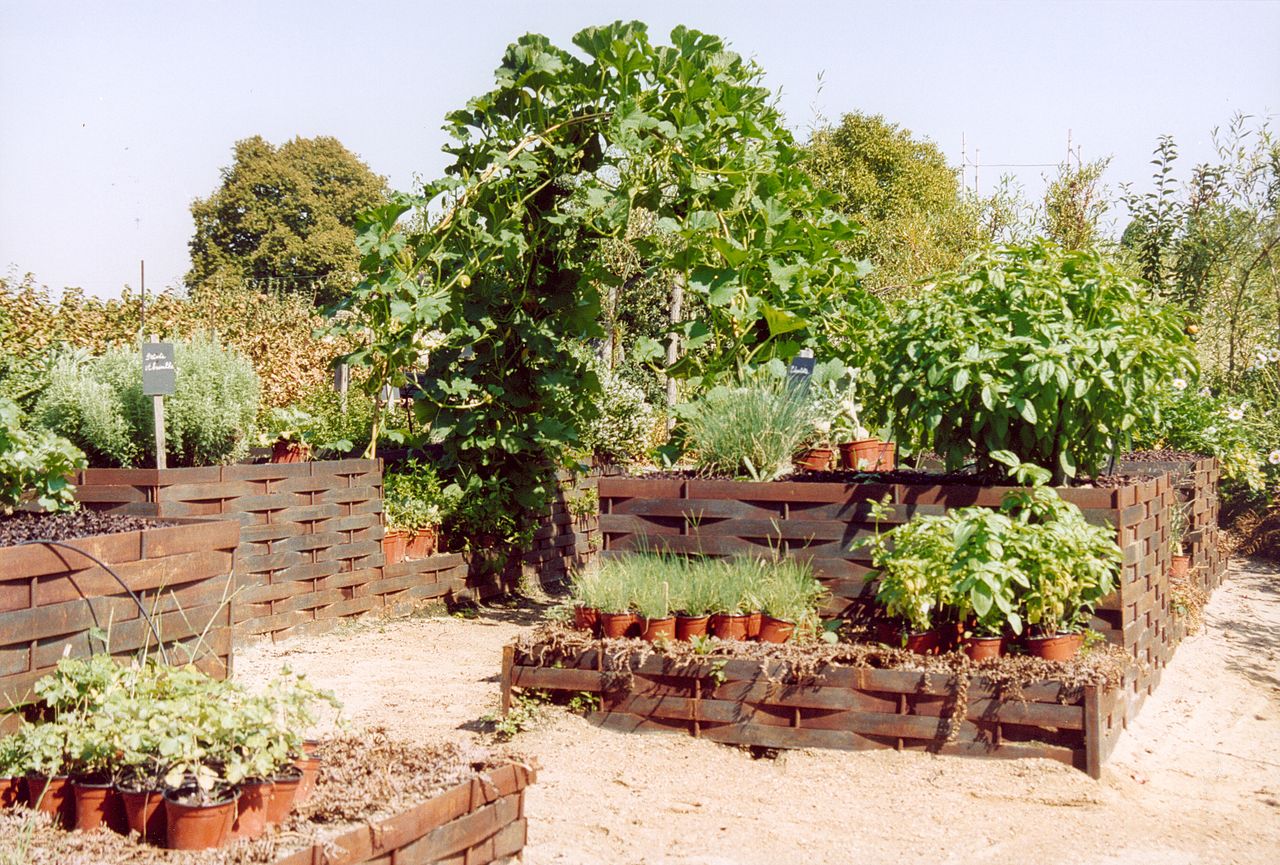


Common forms and configurations
There are several recognized approaches to arranging multiple species in a field. Practical forms include:
- Row or strip intercropping: distinct rows or strips of different species grown adjacent to each other to facilitate management and harvest.
- Mixed intercropping: two or more crops grown without distinct row patterns, relying on careful species selection to reduce competition.
- Relay intercropping: a second crop is planted before the first crop is harvested, so the growing periods overlap but are staggered.
- Companion planting: small-scale mixing of plants for pest control, pollination support or microclimate benefits.
How intercropping works and its benefits
Successful intercropping exploits complementary traits among species. For example, plants with different rooting depths or nutrient needs avoid direct competition: pairing a deep-rooted species with a shallow-rooted one lets each access distinct soil layers, and an arrangement like this can be summarized by pairing a deep-rooted plant with another that has shallow roots. Legumes can be combined with cereals to tap biological nitrogen fixation and improve soil fertility. Diverse stands can also interrupt pest and disease cycles and provide continuous ground cover to reduce erosion, particularly where soil is vulnerable. Other resources to balance include local climate, seed varieties, irrigation and water availability, and light distribution or sunlight interception.
Practical considerations for farmers
Designing an intercrop requires attention to timing, spacing and compatibility. Key points include:
- Choose species with complementary growth habits and non‑overlapping peak demands.
- Match planting dates or use relay schedules so faster growers do not smother slower ones.
- Manage fertility and irrigation to meet combined crop needs without creating excessive competition.
- Consider mechanization limits: some intercropping patterns are harder to harvest with conventional machinery.
History, examples and contexts of use
Intercropping is an ancient, widespread practice found in smallholder and traditional agriculture worldwide. Well-known examples include maize, beans and squash combinations used in parts of the Americas and cereal–legume mixtures common in many subsistence systems. In modern agroecology intercropping is promoted as an alternative to practices that cause soil loss or biodiversity decline. It can complement conservation tillage and other sustainable strategies to maintain cover and prevent erosion after a first harvest.
Limitations and considerations
Intercropping is not a universal solution. Its complexity increases management demands: planning, monitoring and selective harvesting can be more labor intensive. Yields of an individual species may fall compared with monoculture, even when total productivity rises. Success depends on good knowledge of species interactions, local climate and market needs, and access to appropriate varieties or inputs. When designed well, however, intercropping can improve resource efficiency, protect soil from erosion and increase farm resilience.
For further reading and practical guides, consult agricultural extension materials and local trial results. A thoughtful design that considers light, water, nutrient cycles and harvest logistics tends to perform best in diverse agricultural landscapes.
More on crop selection · Land‑use efficiency · Nutrient cycling · Soil conservation · Climate adaptation · Variety choice · Water management · Light and canopy design · Rooting patterns
Related articles
Author
AlegsaOnline.com Intercropping: principles, types, benefits and practical considerations Leandro Alegsa
URL: https://en.alegsaonline.com/art/47584