
Irrigation Sprinkler: Systems, Types, Uses, and Maintenance
An overview of irrigation sprinklers: how they work, main components and types, common uses in gardens and agriculture, historical development, advantages, limitations and maintenance best practices.
Overview
An irrigation sprinkler is a device and a method for applying water to soil and crops in a pattern that emulates rainfall. Sprinkler irrigation relies on a network of pipes and outlets to deliver water under pressure so that droplets are distributed across surfaces. It is widely used for home lawns, public landscapes, sports fields and many types of agricultural production.
Image gallery
10 Images
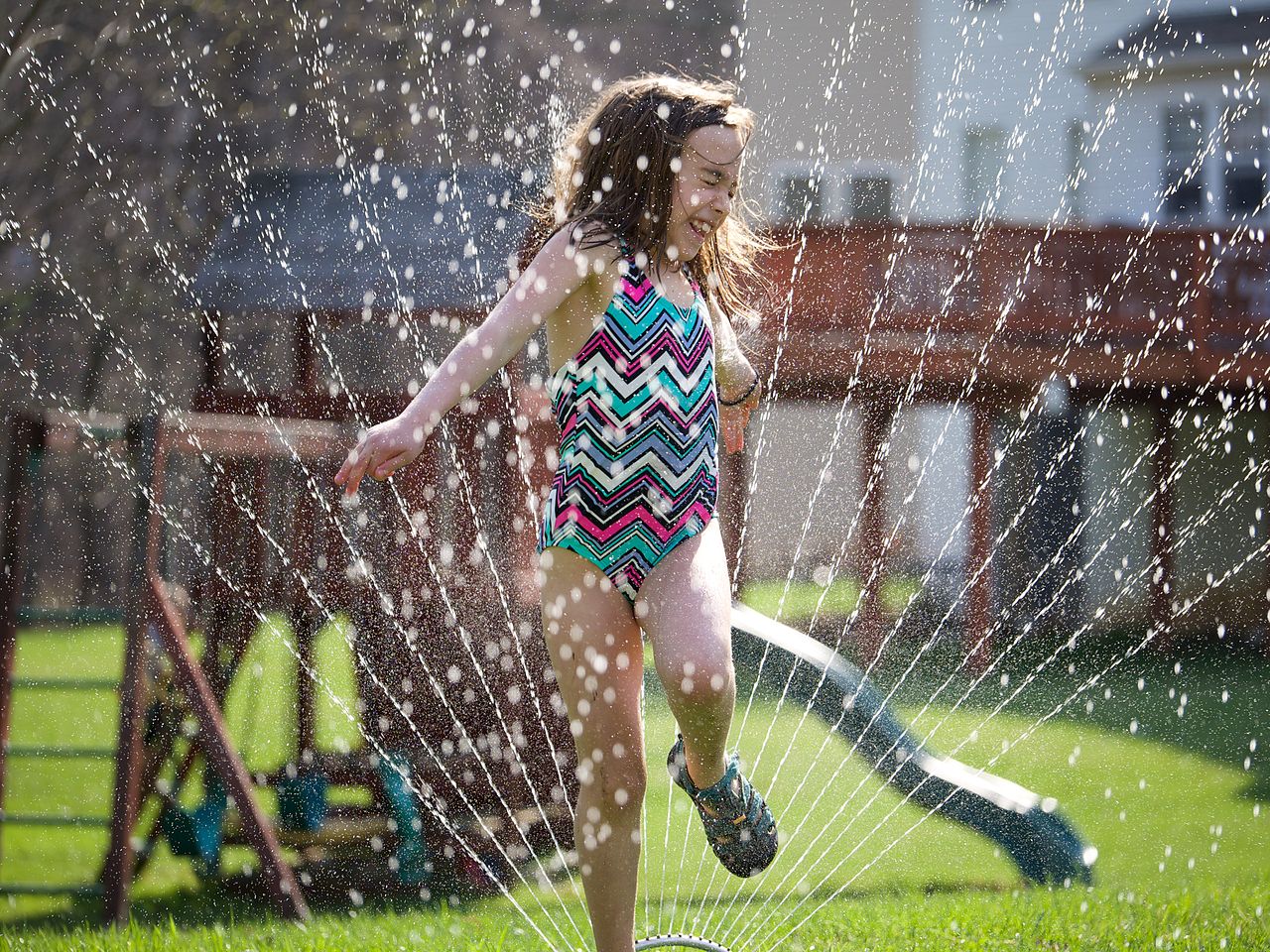


Components and operation
A typical system includes a water source, a pump or connection to pressurized mains, pipes, valves, and sprinkler heads. Sprinkler heads come in many designs—fixed sprays, rotary heads, impact sprinklers and micro-sprayers—each producing specific droplet sizes and coverage patterns. Proper pressure and nozzle selection are important for uniform application and to reduce wind drift and evaporation.
Types and examples
- Portable and lawn sprinklers: small, often unpressurized bases for yards and gardens.
- Fixed system: buried piping with pop-up heads controlled by timers and zones.
- Center pivot and lateral move: large-scale agricultural machines that travel across fields delivering water in arcs.
- Micro- and low-pressure systems: drip-like emitters and micro-sprays for sensitive plants and water conservation.
History and development
Sprinkler irrigation evolved from simple hand-watering and furrow techniques into mechanized and pressurized systems during the 19th and 20th centuries with advances in pumping, pipe materials and sprinkler design. Modern improvements emphasize efficiency: better nozzles, computerized controllers and sensors that adjust watering by soil moisture or weather forecasts.
Uses, advantages and limitations
Sprinklers are versatile: they can irrigate diverse crops and landscaped areas, apply fertilizers or pesticides with some adaptations, and help maintain turf health. Advantages include even water distribution and the ability to automate. Limitations include water loss to evaporation and wind, the need for energy or pressure, and potential disease spread on sensitive foliage if used improperly.
Maintenance and environmental considerations
Routine checks for leaks, clogged nozzles and correct pressure settings extend system life and conserve water. Design choices—such as using low-angle heads, pressure regulators and soil moisture sensors—improve efficiency. In water-scarce regions, combining sprinklers with drip systems or scheduling based on weather reduces consumption and runoff.
Further reading and resources
Basic guides explain how to choose heads and set up zones; technical resources cover hydraulics and controller programming. For practical information, see guides on plant watering practices (plant care), garden irrigation planning (landscape design), system components (sprinkler systems) and pressurization basics (pumping and pressure).
Related articles
Author
AlegsaOnline.com Irrigation Sprinkler: Systems, Types, Uses, and Maintenance Leandro Alegsa
URL: https://en.alegsaonline.com/art/48263