
Japanese food: traditions, ingredients, techniques, and cultural role
Overview of Japanese food, its key ingredients and techniques, historical influences, cultural importance, representative dishes, and distinctive features such as seasonality and presentation.
Overview
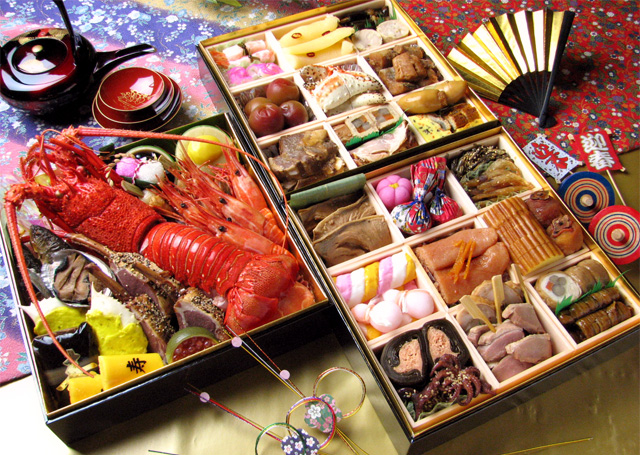
Japanese food encompasses a wide range of regional styles, ingredients, and culinary practices developed on the Japanese islands. It is known for delicate flavors, attention to seasonal produce, careful presentation and an emphasis on harmony among taste, texture and appearance. Meals typically balance staple carbohydrates, soups and several small side dishes rather than a single large entrée.
Image gallery
10 Images




Core ingredients and techniques
Common staples and condiments form the backbone of many dishes:
- Staples: rice (short-grain), noodles (soba, udon, ramen) and various forms of preserved rice.
- Proteins: fresh and preserved seafood, chicken, pork and soy-based products such as tofu and natto.
- Condiments: soy sauce, miso, mirin, dashi stock (kelp and bonito), and rice vinegar.
- Vegetables and seaweeds: seasonal greens, root vegetables and nori/wakame kombu.
Typical cooking methods include raw preparation (sashimi), grilling (yakimono), simmering (nimono), deep-frying (tempura), steaming, pickling (tsukemono) and quick sautéing. Presentation and portioning are integral: small, thoughtfully arranged servings highlight texture and color.
History and influences
Japanese cuisine evolved through local adaptation and foreign influences. Agricultural staples and fermented foods were shaped by contacts with neighboring cultures and by religious practices such as Buddhist vegetarian cooking. From the medieval period to modern times, trade and exchange introduced new ingredients and techniques. In the 19th and 20th centuries, increasing contact with the West led to hybrid dishes (yoshoku) and further innovation. Modern Japanese cuisine includes both traditional formats and international fusion.
Cultural role and representative dishes
Food is central to social and ritual life in Japan: seasonal festivals, tea ceremonies and formal multi-course meals all use food to mark time and relationships. Well-known examples range from sushi and sashimi to ramen, tempura, sukiyaki, yakitori and bento lunches. Everyday meals often include miso soup and pickles alongside a main item and rice.
Distinctive features and notable facts
Two characteristic ideas are seasonality and umami. Seasonality means menus and garnishes change with the year to reflect fresh produce. Umami, the savory taste associated with glutamates in dashi and soy products, is a key flavor principle. Aesthetic restraint, balance of flavors, and respect for ingredient provenance are repeatedly emphasized. Regional specialties and local techniques make Japanese food diverse: each area adapts common elements to local harvests and traditions, making the cuisine both unified in principle and varied in practice.
Practical notes
For someone exploring Japanese food, tasting a range of small dishes, paying attention to seasonally available items, and learning a few basic condiments and stocks (miso, soy sauce, dashi) offers a practical path to appreciation. Many dishes are adaptable: vegetarian versions of classics and home-style interpretations are common and reflect ongoing culinary exchange and innovation.
Questions and answers
Q: What is Japanese food?
A: Japanese food comprises a diverse range of cooking styles originating from various regions of Japan.
Q: Is every region in Japan's cooking tradition the same?
A: No, every region in Japan has its own unique tradition about cooking.
Q: Does Japanese food reflect cultural exchange with countries other than Japan?
A: Yes, the foods eaten in Japan also reflect the history of the cultural exchange between Japan and other cultures.
Q: Has the West influenced Japanese culinary tradition?
A: Yes, the influence of the West inspired Japanese culinary tradition to invent new dishes since modern times.
Q: Are the new dishes invented by Japanese culinary tradition popular outside of Japan?
A: Yes, some of the dishes have become popular not only inside Japan but also outside.
Q: Why is seasonality important in most of the culinary traditions of Japan?
A: Most of the culinary traditions of Japan commonly believe that seasonality is important.
Q: Is there a common Japanese cuisine or do regions have their own unique cuisine?
A: Regions in Japan have their own unique cuisine traditions, making Japanese cuisine diverse and varied.
Related articles
Author
AlegsaOnline.com Japanese food: traditions, ingredients, techniques, and cultural role Leandro Alegsa
URL: https://en.alegsaonline.com/art/49525
Sources
- nippn.co.jp : "世界の小麦料理、日本からは"
- japan-guide.com : Japanese Food
- japanesefood.about.com : Japanese Food