
Information security: principles, history, threats, and practical measures
Comprehensive overview of information security: core principles (confidentiality, integrity, availability), controls, common threats, risk management, legal and social aspects, standards, and practical guidance.
Overview
Information security is the practice of protecting information so that those without authorization cannot access, modify, disclose or destroy it. The discipline covers information in any form—electronic, printed, spoken or embedded in devices—and applies across public and private sectors. While closely related to computer security, information security is concerned primarily with the protection of the informational value itself rather than only the computing systems that process it.
Image gallery
2 Images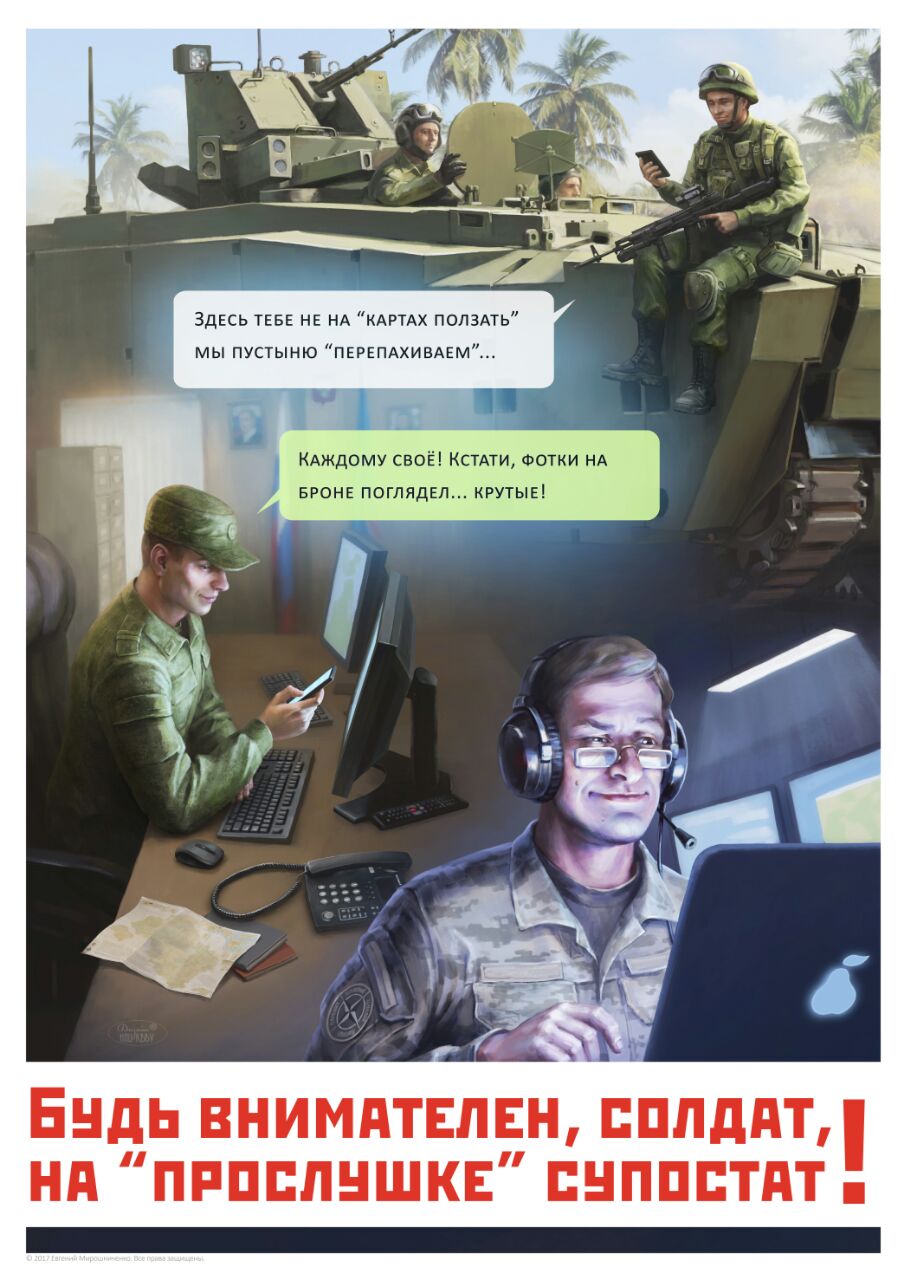

Core principles
The foundation of information security is the confidentiality, integrity and availability triad. These are commonly elaborated as:
- Confidentiality — ensuring information is disclosed only to authorized parties and protected against unauthorized access; see concepts of confidentiality such as access controls and encryption.
- Integrity — preserving the accuracy and completeness of information and its processing methods, including protection against unauthorized modification.
- Availability — ensuring timely and reliable access to information and systems when needed.
Practitioners also consider related properties such as authenticity, accountability, non-repudiation and resilience. These qualities help describe requirements for audits, legal evidence and trustworthy communication.
Controls and countermeasures
Controls are commonly grouped as preventive, detective and corrective. Technical controls include encryption, authentication, access control lists, network segmentation and secure configuration; organizational controls include policies, training, incident response planning and vendor management. Physical measures—such as secure premises, locks and environmental protections—support other controls. Effective programs combine layered defenses so that a failure in one control does not lead to complete compromise.
Risk management and assurance
Risk management aligns controls to the value of assets and the likelihood and impact of threats. A typical process identifies assets and data flows, inventories vulnerabilities, assesses threats and determines acceptable risk levels. Assurance activities—audits, testing, continuous monitoring and compliance assessments—provide evidence that controls function as intended. Standards and frameworks offer guidance for consistent practice across organizations.
Threats and common attacks
Threats range from accidental disclosure and human error to deliberate actions such as malware, phishing, credential theft, insider misuse and supply-chain compromise. Attackers may exploit technical vulnerabilities, social engineering or weaknesses in third-party services. Defences therefore combine technical hardening with awareness, process controls and contractual measures toward suppliers and partners.
Legal, ethical and social considerations
Information security intersects with privacy, intellectual property, regulatory compliance and civil liberties. Organizations must balance security measures with legal obligations and public expectations, which vary by jurisdiction and culture. Policies should reflect ethical considerations, transparency where appropriate, and processes for lawful access and data subject rights.
Standards, frameworks and guidance
Widely used standards and frameworks help organizations design and evaluate programs: they provide control catalogs, risk assessment methods and implementation guidance. Adoption supports consistent practice, easier audits and clearer communication among stakeholders. Related domains include data governance, which addresses lifecycle, quality and stewardship, and operational reliability engineering focused on availability and continuity.
Practical measures and resilience
At an operational level, common measures include asset inventories, strong authentication, regular patching, secure backups, segmentation, logging and tested incident response plans. Organizations invest in monitoring, threat intelligence and recovery exercises to improve resilience. For individuals, simple steps—secure passwords or passphrases, careful handling of sensitive documents and awareness of phishing—reduce common risks.
Outlook and skills
Information security is multidisciplinary, requiring technical skills, risk judgment and communication abilities. As technology evolves—cloud computing, mobile devices, Internet of Things and AI—practitioners adapt controls and governance to new architectures and threat models. Continuous learning and adherence to established principles remain central to sustaining security in changing environments.
Related articles
Author
AlegsaOnline.com Information security: principles, history, threats, and practical measures Leandro Alegsa
URL: https://en.alegsaonline.com/art/47308