
Ink cartridge
An ink cartridge is a replaceable container for printer ink used in inkjet devices. This article explains types, parts, history, usage, compatibility, and environmental considerations.
An ink cartridge is a replaceable reservoir that supplies liquid ink to an inkjet printer. The term can refer to a single-color unit or a multi-chamber pack containing several colors. For other uses of the word "cartridge" see the related entry: cartridge (disambiguation). Ink cartridges are manufactured in many shapes and sizes to match specific printer models and are sold as original equipment, third-party remanufactured units, or refill kits.
Image gallery
5 Images

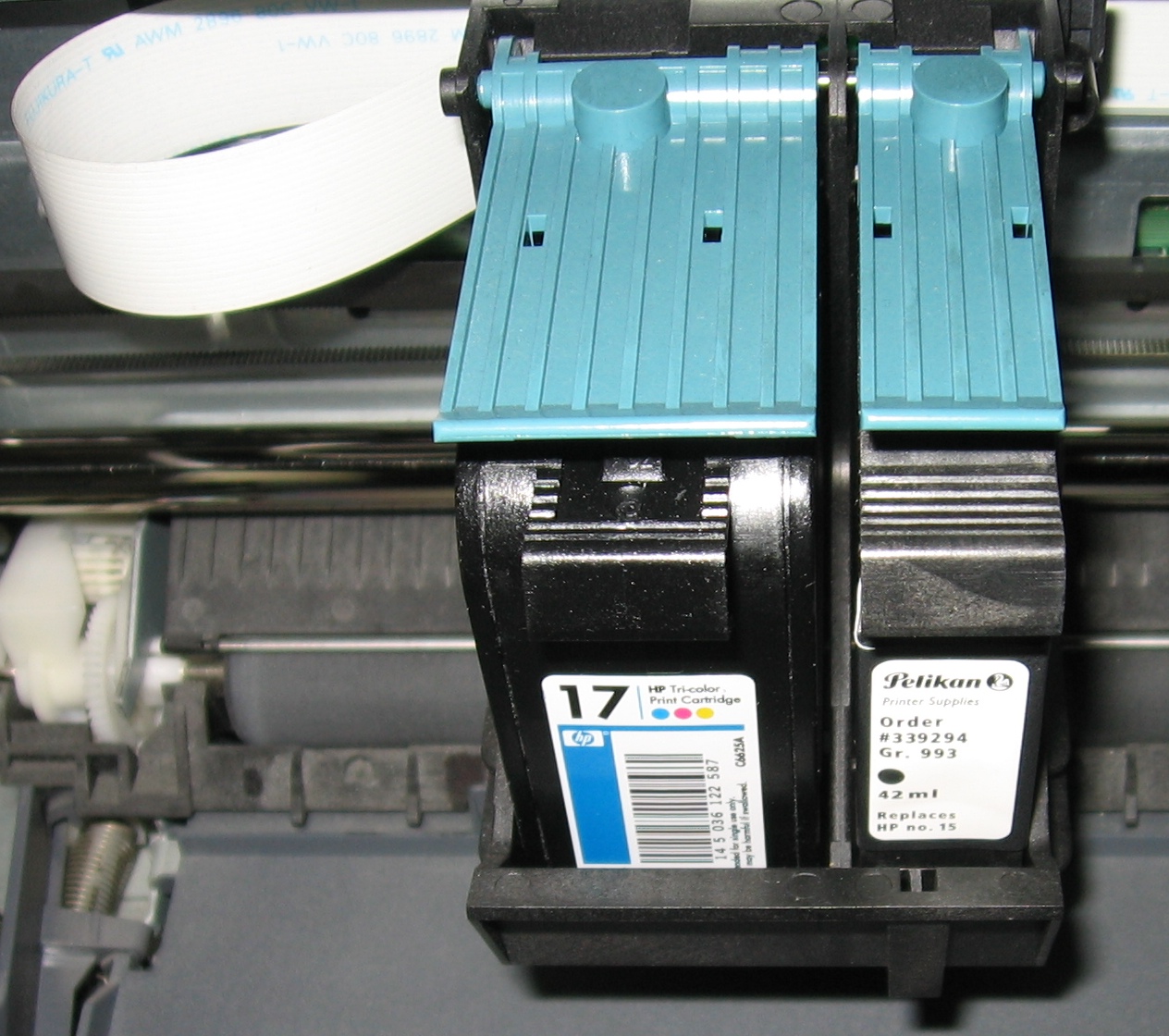


Characteristics and components
Most cartridges include an outer casing, an internal ink reservoir, and a delivery mechanism that may contain one or more print nozzles or a contact surface for the printer's printhead. Depending on design, components can include:
- Reservoir: absorbent sponge, bladder, or chamber that holds the ink.
- Nozzles/printhead: in some cartridges the nozzles are integrated; in others the printer contains the printhead and the cartridge only supplies ink.
- Electronic contacts: small chips or pads that communicate ink level and identification to the printer.
- Vents and seals: to manage airflow and prevent leaks during storage and use.
History and development
Inkjet printing technology and removable cartridges were developed during the later 20th century to make desktop printing convenient and affordable. Early systems evolved from continuous-ink and industrial inkjet mechanisms into compact consumer devices. Over time manufacturers introduced cartridges that combined multiple colors, built-in printheads, and electronic chips to improve print quality, reliability, and anti-counterfeiting.
Uses, examples and compatibility
Ink cartridges are used in home, office, and specialized printers for documents, photographs, labels, and graphics. Typical configurations include separate cartridges for cyan, magenta, yellow and black (CMYK), combined tri-color cartridges, or high-capacity photo inks for better color rendering. When choosing cartridges consumers compare original equipment manufacturer (OEM) parts, compatible third-party cartridges, and refill or remanufactured options. Printer manuals and vendor resources such as manufacturer support pages or compatibility guides help identify correct models.
Environmental and cost considerations
Cartridges generate plastic and ink waste, so recycling programs and remanufacturing are common. Many manufacturers and retailers offer take-back or refill services to reduce landfill disposal. Cost per page, page yield ratings, and print quality are key factors when selecting cartridges. Consumers also consider whether the cartridge contains the printhead—replacing a cartridge with an integrated head is more expensive but can simplify maintenance.
Notable distinctions and consumer tips
Key distinctions include OEM versus third-party supplies, single-use versus refillable designs, and cartridges with built-in chips that track ink levels or restrict refills. To prolong cartridge life: store unused cartridges sealed, run periodic nozzle-cleaning cycles, and use genuine or well-reviewed compatible products when possible. For official information, consult the printer maker's documentation or authorized distributors: product pages.
Related articles
Author
AlegsaOnline.com Ink cartridge Leandro Alegsa
URL: https://en.alegsaonline.com/art/47374