
Computer security: principles, threats, and defenses
Comprehensive overview of computer security: goals (confidentiality, integrity, availability), common threats, defensive controls, secure development, risk management, incident response and practical best practices.
Overview
Computer security is the practice of protecting computing systems, networks and the data they process from unauthorized access, modification, disclosure or disruption. It sits within the broader context of information technology and is closely related to information security. Typical targets include personal and enterprise computers, servers, mobile devices, cloud services and embedded systems. The discipline combines technical, administrative and physical measures to reduce risk and preserve reliable operation.
Image gallery
2 Images
Core objectives and principles
Security work is commonly organized around the CIA triad: confidentiality (preventing unauthorized disclosure), integrity (ensuring data and system state are not altered improperly; see integrity) and availability (keeping services accessible to authorized users). Other important principles include authentication, authorization, accountability, least privilege, separation of duties and defense in depth.
Common threats and attack types
Threats range from accidental mistakes and software bugs to deliberate attacks and physical compromise. Typical categories are:
- Malware and ransomware that aim to compromise confidentiality or deny service.
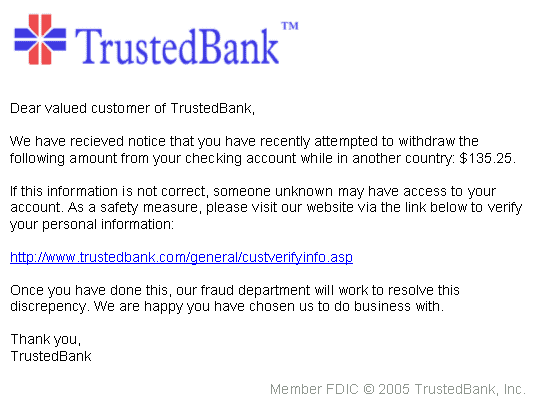
- Social engineering and phishing that target human weaknesses.
- Exploitation of software vulnerabilities to gain unauthorized control.
- Denial-of-service attacks that affect availability.
- Insider misuse and supply-chain compromises.
- Physical attacks on devices and peripherals, and threats against embedded systems such as networked kiosks or vending equipment (unconventional targets).
Defensive controls and common methods
Defenses are layered and include policy, people and technology. Typical controls include:
- Administrative controls: security policies, training, identity and access management, and incident response plans.
- Technical controls: network segmentation, encryption, secure configuration, monitoring and logging, and vulnerability management.
- Endpoint protections: host-based firewalls, anti-malware agents and secure baselines often described with terms like firewall and antivirus.
- Hardware protections and peripheral controls: device whitelisting, port control and trusted platform modules; controls for external devices and peripherals reduce exposure to removable media and hostile hardware.
- Recovery measures: backups, redundancy and tested disaster recovery to restore integrity and availability after incidents.
Authentication, cryptography and secure design
Authentication and authorization mechanisms determine who may act and what they may do. Cryptography underpins confidentiality and integrity for stored and transmitted data; secure key management is essential. Secure design practices—threat modeling, least-privilege architectures and code review—reduce the chance that systems contain exploitable weaknesses.
Development lifecycle and operational practices
Security is most effective when integrated into the system lifecycle. Secure development practices include secure coding, static and dynamic testing, dependency management and timely patching. Operational hygiene—regular updates, monitoring, change control and access reviews—ensures controls remain effective as systems evolve.
Risk management, governance and standards
Organizations prioritize protections by assessing assets, threats and potential impacts. Governance establishes roles, policies and compliance obligations. Established standards and frameworks help structure efforts and measure maturity; organizations commonly draw on best practices from technical and professional bodies.
Incident response and resilience
Incident response prepares organizations to detect, contain and recover from security events. A practical program includes logging and monitoring, playbooks for common incidents, communication plans and post-incident review to improve defenses. Resilience emphasizes the ability to continue essential operations under stress and to restore services quickly.
Practical considerations and future trends
No single control is sufficient. Effective security layers administrative, technical and physical measures and adapts to changing threats. Emerging areas include securing cloud-native services, supply-chain assurance, and protections for the growing fleet of connected devices. For introductory reading and policy guidance, consult reputable sources tied to technology practice and IT governance or specialized information security publications.
Related topics and resources: practical device hardening for computers, discussions of integrity challenges, guidance on peripheral controls (peripherals), endpoint defense concepts (firewall and antivirus) and case studies about unconventional targets such as vending machines and embedded systems used as attack vectors.
Related articles
Author
AlegsaOnline.com Computer security: principles, threats, and defenses Leandro Alegsa
URL: https://en.alegsaonline.com/art/22333