
Information systems: concepts, components, history and applications
An overview of information systems: what they are, core components, historical development, common uses, and distinctions from related fields.
Overview
Information systems are organized arrangements in which people, technology, and procedures work together to collect, process, store and distribute data so it becomes useful information for decision making and operations. They exist in businesses, governments, nonprofits and everyday services and range from simple record-keeping to complex analytic platforms. The discipline studies both the technical mechanisms and the human, managerial and social contexts in which those mechanisms operate.
Image gallery
2 Images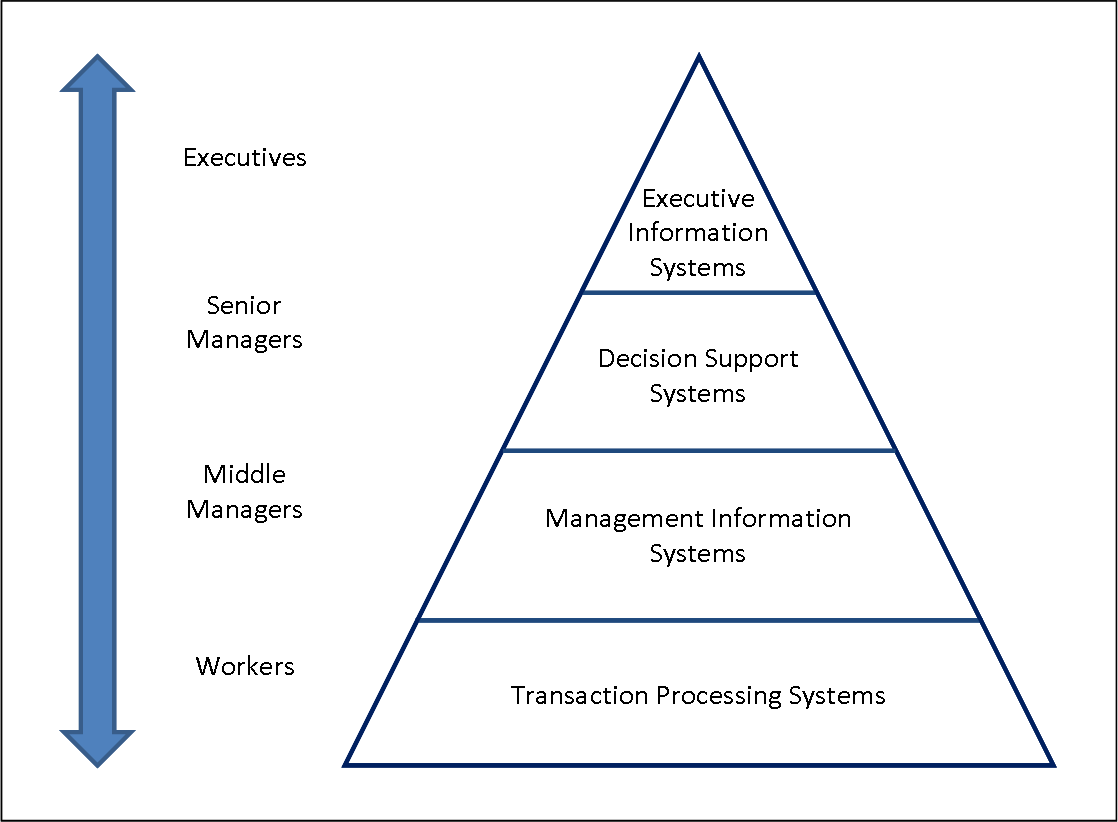

Core components
Most descriptions of an information system emphasize a small set of interdependent elements. Commonly cited parts include:
- Data: raw facts and measurements often captured, stored and retrieved as digital records. See basic resources on data.
- Hardware: the physical devices such as servers, workstations, sensors and networking equipment that run software and store data; often referenced as computers in general discussion.
- Software: applications and system programs that process data, automate tasks and provide interfaces to users.
- People and procedures: users, managers, analysts and the policies or workflows they follow.
- Networks and security: connections that move information and controls that protect its confidentiality, integrity and availability.
History and development
The evolution of information systems began with manual ledgers and evolved through mechanized tabulation, mainframe-based transaction systems, client–server architectures, and now to cloud computing, mobile platforms and pervasive data analytics. Throughout this history the focus has shifted between improving operational efficiency and enabling strategic decision-making.
Uses and examples
Information systems support a broad set of functions: transaction processing and payroll, customer relationship management (CRM), enterprise resource planning (ERP), business intelligence and decision support, supply chain coordination, and online services. They turn inputs into knowledge that managers and front-line workers use. Practical examples include point-of-sale systems, web analytics platforms, and dashboards that summarize performance indicators.
Distinctions and notable facts
Information systems is an interdisciplinary field that overlaps with but differs from information technology (IT) and computer science: IT emphasizes tools and operations, computer science emphasizes theory and algorithms, while information systems emphasizes application in organizational contexts. Ethical, legal and security concerns are integral because information systems influence privacy, accountability and public trust. For accessible introductions to the topic, many readers follow materials that frame how information is created and used in organizations.
Further reading often covers system design, data governance, user experience, and change management — subjects that help practitioners build systems that are reliable, secure and aligned with organizational goals.
Related articles
Author
AlegsaOnline.com Information systems: concepts, components, history and applications Leandro Alegsa
URL: https://en.alegsaonline.com/art/47309
Sources
- wwwmatthes.in.tum.de : "Definition of Application Landscape"
- doi.org : 10.1145/1024338.1024340
- worldcat.org : 0097-8418