
Ingot: cast metal bars — production, types and uses
An overview of ingots: solid metal bars formed by pouring purified molten metal into molds. Explains materials, manufacturing methods, common formats, uses, history and distinguishing features.
An ingot is a solid block or bar of metal produced by pouring molten metal into a mold and allowing it to cool and solidify. Ingots are a basic intermediate form used in metalworking, storage and trade. They provide a convenient, transportable shape for further processing (forging, rolling, machining) or for sale as refined metal. Typical references to "metal" or "molten" in discussions of metal production use terminology that connects raw material, smelting and the casting stage: see metal and molten metal.
Image gallery
10 Images




Definition and common characteristics
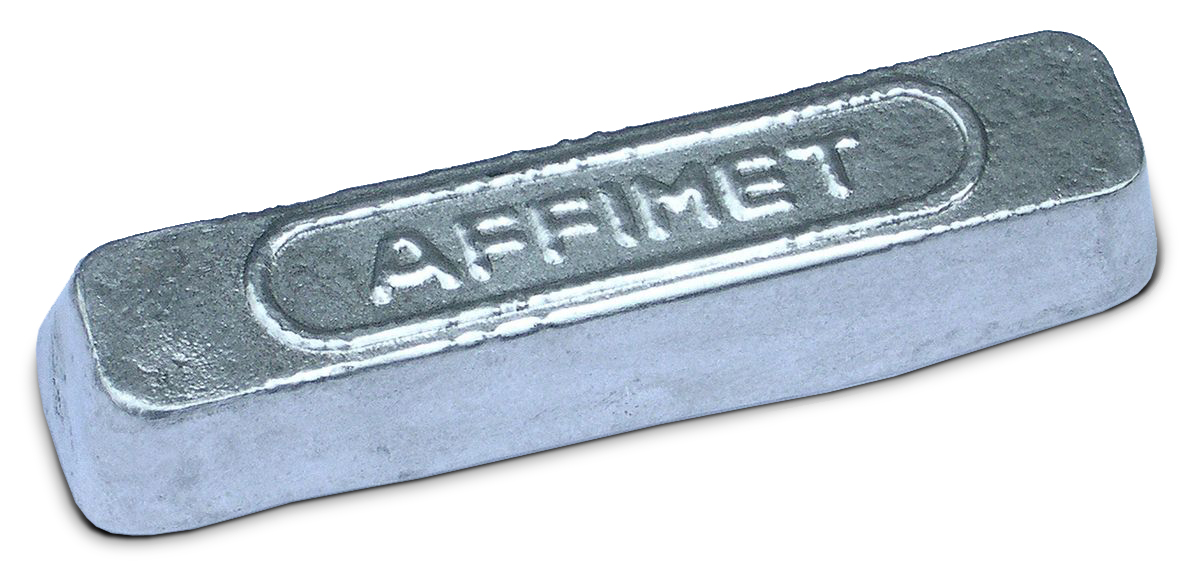
Ingot shapes vary from simple rectangular bars to trapezoidal or puck-like forms. They are usually marked with information about purity, producer and sometimes serial numbers for valuable metals. Ingots are made after ore extraction and refining; the transition from ore to purified metal is often described in industry references (for example, see ore processing). Precious-metal ingots such as those of gold are widely recognized in culture and media (gold, often shown in films and other works: popular culture).
Materials and types
- Precious metal ingots: gold, silver, platinum — usually produced to strict standards for investors and central banks.
- Industrial metal ingots: iron, steel, aluminum, copper — used as feedstock for manufacturing.
- Alloy and specialty ingots: pre-alloyed steels or nonferrous alloys for foundries and fabricators.
Manufacturing methods
Typical production steps include refining the metal, pouring it into molds (permanent or expendable), and controlled cooling. Some ingots are cast in simple sand or metal molds, while precision blanks use continuous casting or mold-lines to control dimensions and internal structure. Post-casting operations may include trimming, surface treatment and stamping for identification.
Uses, handling and significance
Ingots serve several roles: they are a transportable store of value for precious metals, a standardized input for downstream metalworking and a convenient recycling form. In finance and commerce, recognized standards and assay marks help verify weight and purity. In industry, ingots simplify inventory and melting for subsequent shaping. Distinct from coins or fabricated products, ingots are primarily a raw or semi-finished material.
For more technical or historical context, follow links and resources provided by metallurgical references and trade organizations: metal industry, casting methods, and materials data pages such as ore and refining guides. Popular and cultural references to precious-metal ingots can be found under entries like gold and its portrayal in media.
Related articles
Author
AlegsaOnline.com Ingot: cast metal bars — production, types and uses Leandro Alegsa
URL: https://en.alegsaonline.com/art/47351