
Inflatable Boat
A lightweight boat with air-filled tubes used for recreation, transport, rescue and professional work; available in soft-hulled and rigid-hulled forms with various materials and safety features.
Overview
An inflatable boat is a small watercraft whose buoyancy comes primarily from one or more air-filled chambers rather than a rigid hull. These boats are designed to be light, portable and easy to store when deflated. Inflatable boats range from simple emergency rafts to purpose-built dinghies, tenders and professional craft used by rescue services and the military. For general context about boats see boats and small craft.
Image gallery
10 Images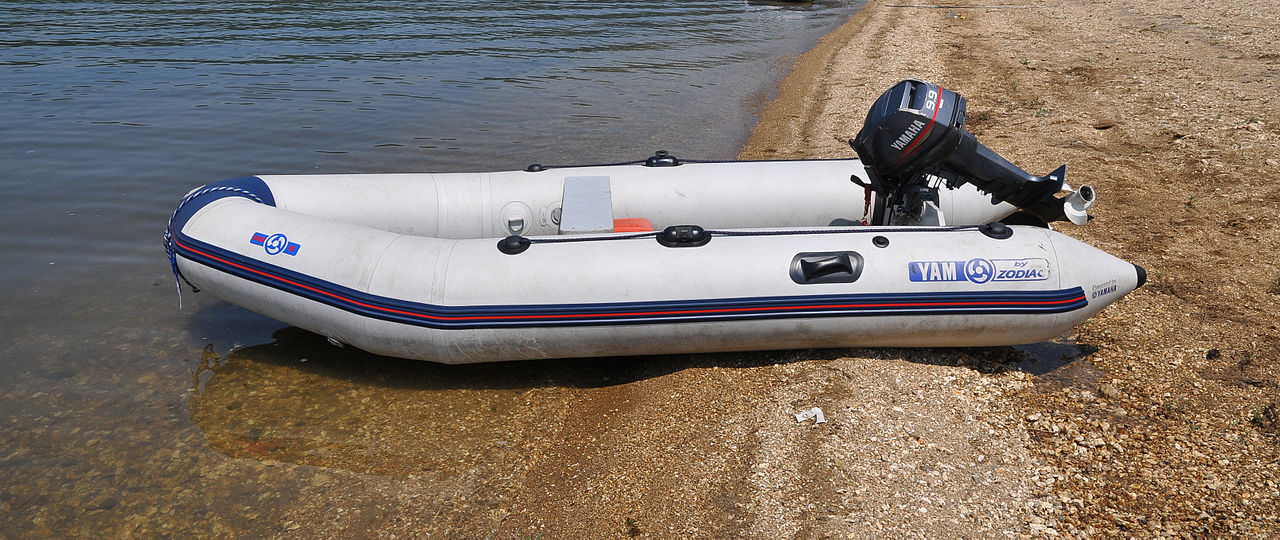


Design and materials
Most modern inflatable boats are built from synthetic fabrics that are coated or laminated to retain air and resist abrasion. Common materials include PVC and more durable synthetic rubbers; historically natural rubber was used. Construction often divides the buoyant areas into multiple independent chambers so that one puncture will not sink the craft. Valves, grab handles and D-rings are integrated for convenience and safety. For information on materials used in construction see fabric and rubber types, and for inflation methods see air supply and pumps.
Types and notable features
Inflatable boats appear in two broad forms: fully flexible hulls and rigid-hulled inflatable boats (RIBs). Flexible-hulled boats are lighter and more compact when deflated; RIBs combine inflatable tubes with a solid, typically fiberglass or aluminum, hull for improved performance and seakeeping. Many models accept a small outboard engine mounted on a transom, allowing higher speeds and easier maneuvering—details about propulsion can be found at outboard motor.
Uses and examples
These boats are used for leisure activities such as fishing and tendering larger vessels, as well as for work tasks including survey, patrol and search-and-rescue. Their portability makes them popular for camping trips and as emergency lifeboats on larger ships. Typical everyday uses include ferrying people to shore, recreational rowing, and diving support.
Safety, maintenance and operation
Safe operation relies on correct inflation pressure, routine inspection for wear or leaks, and adherence to load and passenger limits. Owners should carry repair kits, inflation devices, and appropriate personal flotation devices. Regular rinsing, protection from prolonged UV exposure and proper storage when dry prolong service life. Inflatable craft are subject to local regulations regarding registration, equipment and operation in many jurisdictions.
Distinctions and practical notes
- Portability: easily deflated for storage and transport.
- Stability: tubes provide high initial stability, useful in calm waters and for boarding.
- Performance trade-offs: flexible hulls are lightweight but handle waves less efficiently than rigid hulls.
- Repairability: punctures are usually repairable in the field with patches and adhesive.
Because designs and standards vary, prospective buyers should match capacity, intended use and material specifications to their needs and local safety rules.
Related articles
Author
AlegsaOnline.com Inflatable Boat Leandro Alegsa
URL: https://en.alegsaonline.com/art/47288