
Indium — properties, occurrence, uses, and history
Indium (In, atomic number 49) is a soft, silvery post‑transition metal used chiefly in transparent conductive coatings, electronics and specialized alloys; overview of properties, production and applications.
Overview
Indium is a chemical element with the symbol In and the atomic number 49. It is classified as a soft, silvery post‑transition metal noted for its malleability and ability to wet many surfaces. Indium is relatively scarce in the Earth's crust and is most often available as a byproduct of base metal refining rather than as a primary ore.
Image gallery
6 Images


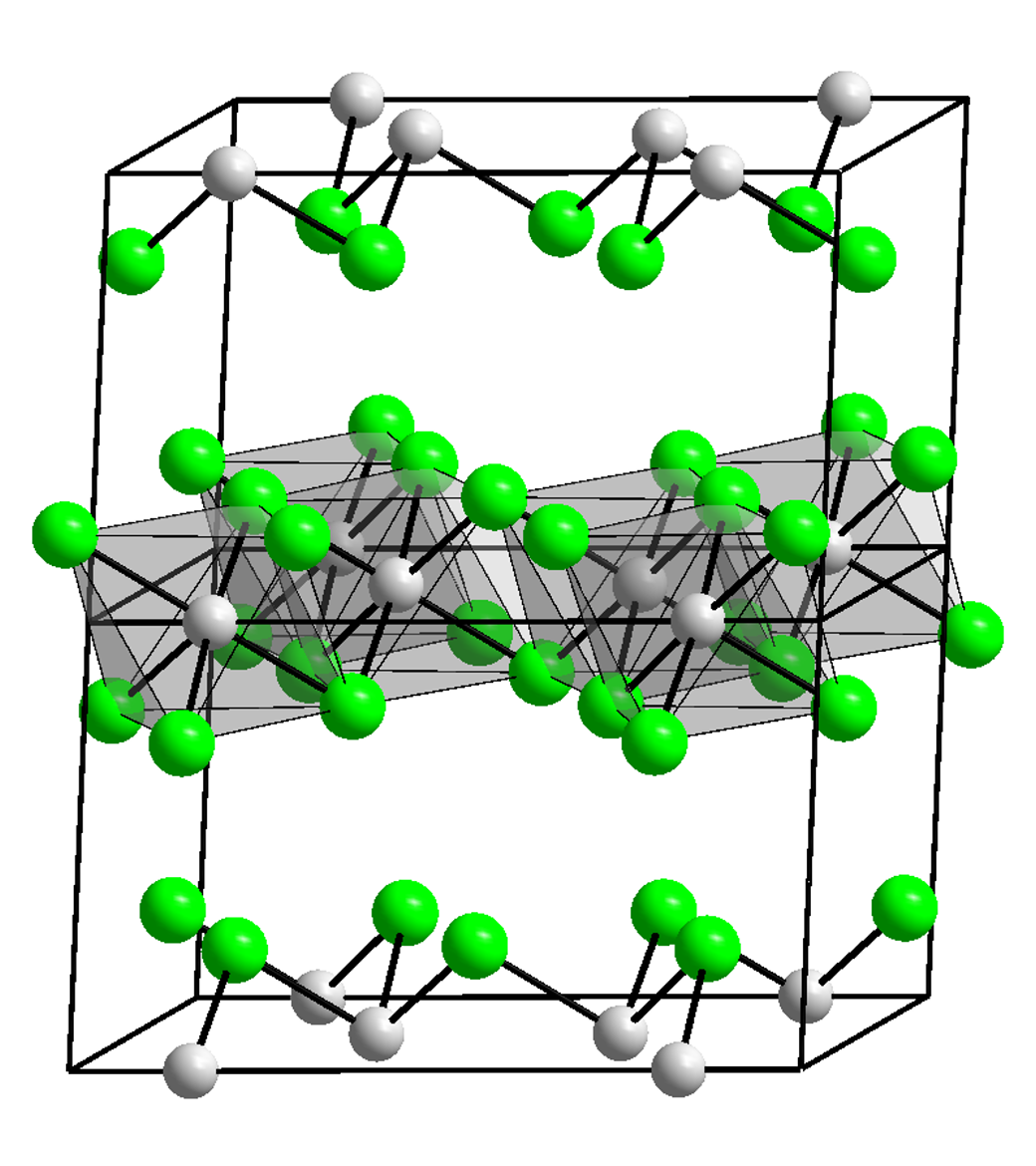
Physical and chemical properties
Indium is soft and ductile; small pieces can be cold‑welded together by simple pressure. It is often described as a rare metal with metallic lustre similar to zinc. Chemically, indium shows similarities to aluminium and gallium, commonly exhibiting oxidation states of +3 and occasionally +1. Its low melting alloys and surface wetting behavior make it useful for specialty solders and seals.
Occurrence and production
Indium is not commonly mined directly; it is recovered during processing of sulfide concentrates, principally from zinc ores and from residues of lead and copper refining. Modern refining separates trace indium from other metals and concentrates it into commercial metal and compounds. Recycling of electronic waste now contributes to supply.
Compounds and materials
The best known indium compound is indium tin oxide (ITO), a transparent, electrically conductive coating used extensively in display technologies. ITO films combine optical transparency with surface conductivity, which is why they are central to liquid crystal displays, touchscreens and many thin‑film devices. Indium also forms semiconducting compounds used in optoelectronics and high‑speed devices.
Uses and applications
Indium's principal modern application is in transparent conductive films (ITO) for displays and photovoltaics, but it also appears in low‑melting solders, thermal interface materials and thin seals. Very thin layers of indium can act as a lubricant or sealant in precision engineering; these thin lubricating layers exploit indium's softness and adhesion. Research continues into substitutes and ways to reduce dependence on scarce indium resources.
History and notable uses
Discovered in the 19th century by spectral analysis, indium was named for an indigo spectral line observed during its identification. In earlier industrial history, including during World War II, indium metal was used for specialized coatings and components: it was applied to bearings and other parts in aircraft to reduce galling and wear because of its surface properties.
Isotopes and research
Stable and radioactive isotopes of indium are used in scientific research and medicine. Some indium radioisotopes serve as tracers or in diagnostic imaging, while stable indium finds roles in basic studies of alloying and thin‑film phenomena.
Supply, recycling and sustainability
Because primary indium production depends on the mining and refining of other metals, global availability is tied to those industries. Recycling of displays and electronic devices can recover valuable indium, and material substitution and efficiency improvements are active research areas to reduce pressure on supply.
Safety and handling
Metallic indium is of low acute toxicity, but fine dusts, fumes or some compounds can be hazardous if inhaled or ingested. Industrial handling follows standard controls for dust and fume exposure, and waste streams from indium processing are managed to minimise environmental release.
Further information
For introductory context see general chemical element resources and elemental tables. For production and market data consult specialized materials and recycling reports; historical background and wartime usage are discussed in technology histories. Technical references and safety data sheets provide guidance for handling and applications.
Related articles
Author
AlegsaOnline.com Indium — properties, occurrence, uses, and history Leandro Alegsa
URL: https://en.alegsaonline.com/art/47182