
Inner transition metals (lanthanides and actinides)
Inner transition metals are the f-block lanthanides and actinides. They share f-electron chemistry, distinct physical properties and important roles in technology, nuclear science, and materials.
The term "inner transition metals" refers to the two rows of elements usually set below the main body of the periodic table: the lanthanide series and the actinide series. These elements occupy the f-block and are characterized by the progressive filling of 4f or 5f orbitals. In common layouts of the periodic table they are shown separately so the table remains compact while emphasizing their related electronic structure. For a general introduction to the family of chemical elements, inner transition metals form a distinct group because their chemistry is dominated by partially filled f shells and the resulting magnetic, optical, and bonding behavior.
Image gallery
5 Images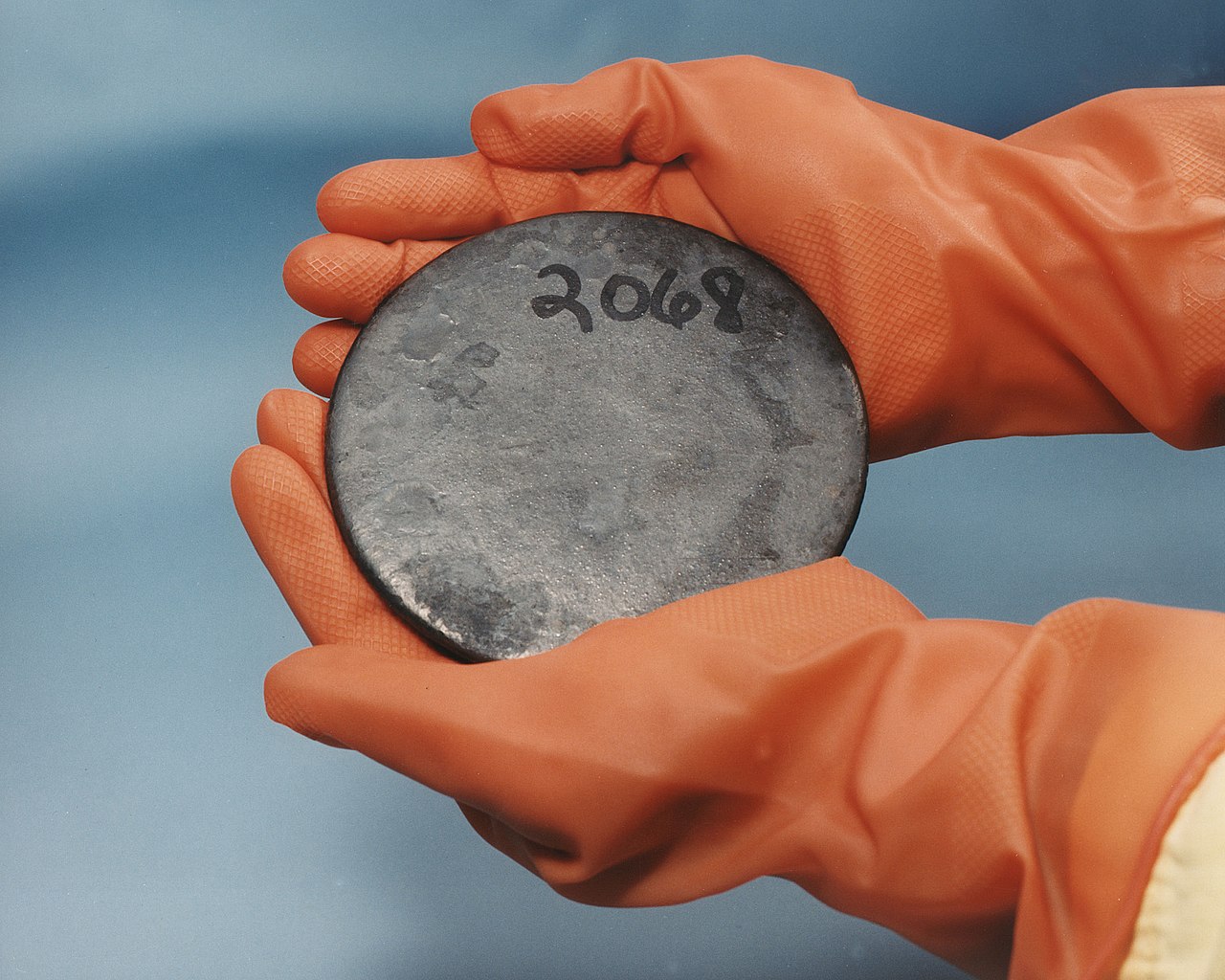


Key characteristics
Inner transition metals share a set of typical properties: most are silvery or metallic in appearance, many are malleable and conductive, and they commonly form cations with characteristic oxidation states. Their valence electrons include electrons in inner f subshells as well as outer s and d shells; a compact description of their common ground-state occupancy is given by the f-block pattern (for n = 6 or 7) but individual elements show variations. Their f electrons are relatively well shielded from the environment, which affects ionic radii, spectral lines, and magnetic moments. The variation of ionic size across the lanthanide series gives the well-known phenomenon called the lanthanide contraction, which influences the chemistry of elements that follow them.
Lanthanides and actinides
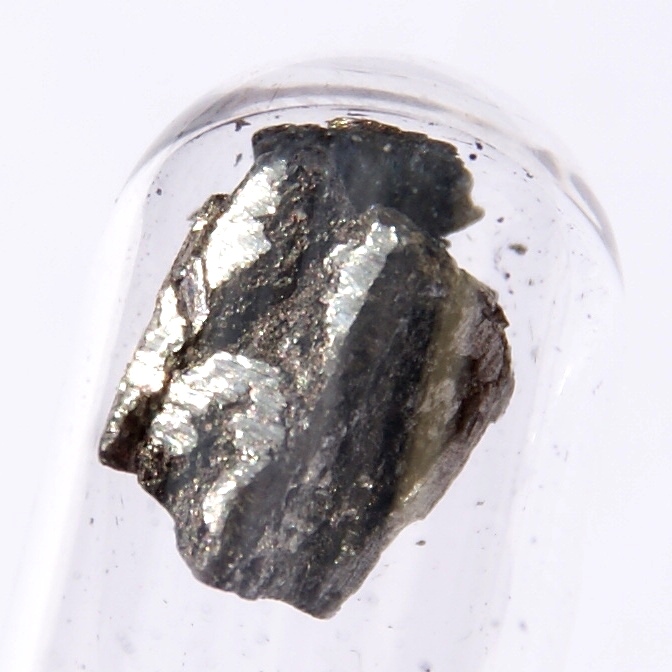
The two subgroups have important differences. The lanthanides (elements 57–71) are often referred to as the rare earths. Chemically they are quite similar to one another and most commonly exhibit a +3 oxidation state; however, a few show other accessible oxidation states in suitable compounds. Lanthanides are widely used for their magnetic, luminescent, and catalytic properties. For example, elements such as neodymium and europium play central roles in modern magnets and phosphors, while cerium compounds are used in polishing and catalysis. Lutetium is an example of a lanthanide that finds specialized uses in optics and research (Lutetium).
The actinides (elements 89–103) contain the actinium series and are generally more complex chemically because their 5f electrons can participate in bonding to a greater extent. Many actinides are radioactive; thorium and uranium are notable for occurring naturally in appreciable amounts and for their historical and practical importance in nuclear science (Thorium, Uranium). Several later actinides are produced synthetically in laboratories or reactors and show variable oxidation states and coordination chemistry.

History and classification
The lanthanides were discovered gradually during the 18th and 19th centuries as chemists isolated rare minerals and separated similar elements. The full conceptual separation of a distinct actinide series was clarified by mid-20th-century work on transuranic elements; the classification of f-block elements as an inner transition series helps explain their placement on modern periodic tables. Advances in spectroscopy, X-ray methods and nuclear chemistry refined the understanding of electron configurations and led to the present f-block concept (see the standard periodic table discussion).

Uses, importance, and notable facts
- Technological uses: lanthanides are essential in permanent magnets, catalysts, phosphors for lighting and displays, glass additives, and battery components.
- Nuclear science: several actinides serve as fuels and breeding materials in reactors; actinide radioisotopes are used in research, medicine and instrumentation.
- Chemical behavior: lanthanides show relatively predictable ionic chemistry dominated by +3 states, while actinides exhibit a wider range of oxidation states and more covalent character due to 5f involvement.
- Availability and sourcing: some inner transition metals are relatively abundant in the Earth's crust but are often found together in mixed ores, making separation and supply geopolitically and industrially important.
Distinguishing points
When identifying inner transition metals, remember that they are defined by f-electron filling and by their customary placement beneath the main table rather than by a single uniform behavior. Their f electrons produce sharp spectroscopic signatures and often strong magnetic effects, and their chemistry bridges simple ionic compounds and more complex covalent bonding. For introductory reading and element-by-element details consult general resources on the chemical elements and specialized treatments of the lanthanides and actinides. For context on specific members see entries on Lutetium, Thorium and Uranium.
Further reading on electronic structure and shell filling is available in resources that explain electron shells and subshells (electron shell concepts) and in modern periodic table discussions (periodic table). Inner transition metals remain active areas of research because of their unique combination of fundamental science and practical applications.
Related articles
Author
AlegsaOnline.com Inner transition metals (lanthanides and actinides) Leandro Alegsa
URL: https://en.alegsaonline.com/art/47397