
Inca Civil War (War of Succession between Huáscar and Atahualpa)
A summary of the Inca Civil War (c.1529–1532): causes, main events, and consequences for the Inca Empire and the subsequent Spanish conquest led by Francisco Pizarro.
Overview
The Inca Civil War was a dynastic conflict within the Inca Empire fought between two brothers, Huáscar and Atahualpa, following the death of their father, the emperor Huayna Capac. Commonly dated to the late 1520s and early 1530s, the struggle ended with Atahualpa holding effective control of the empire just before the arrival of European forces.
Image gallery
7 Images



Background and causes
When Huayna Capac died, the empire lacked a universally accepted succession mechanism and regional power bases had grown stronger. The realm was roughly split between the highland capital around Cusco and northern territories centered on Quito. Political rivalries, competing claims of legitimacy and local loyalties turned a dynastic dispute into a sustained armed confrontation.
Why the conflict began
Huáscar asserted himself as the rightful sovereign and claimed the central institutions of the state. Atahualpa, favored by important northern factions and military commanders, emerged as a capable leader. Differences in organization, regional support, and battlefield tactics contributed to a series of campaigns that decided control of the empire.
Course of the war
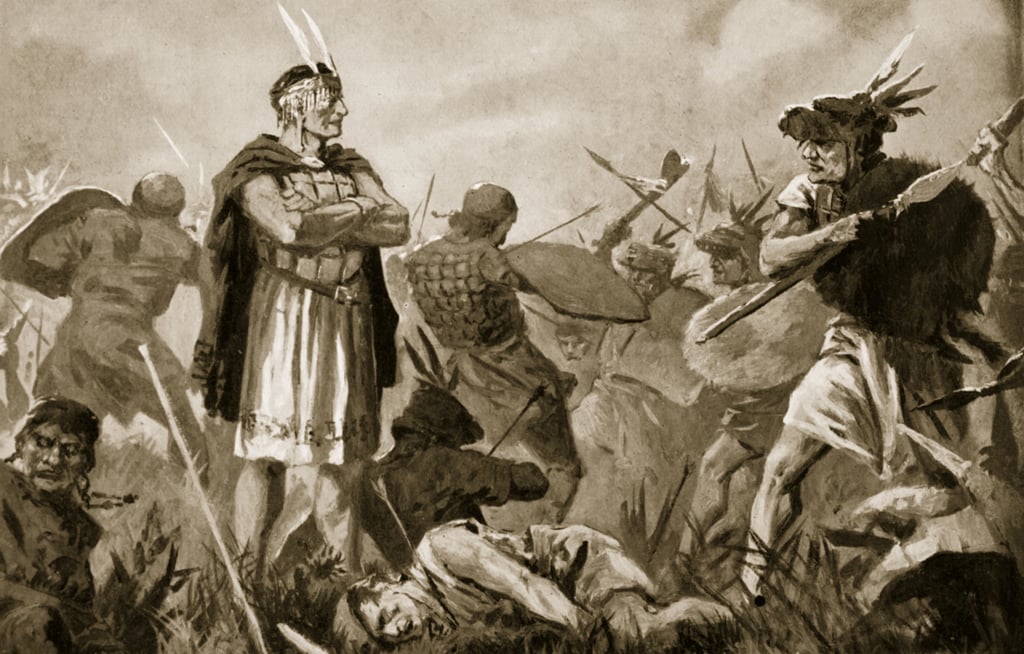
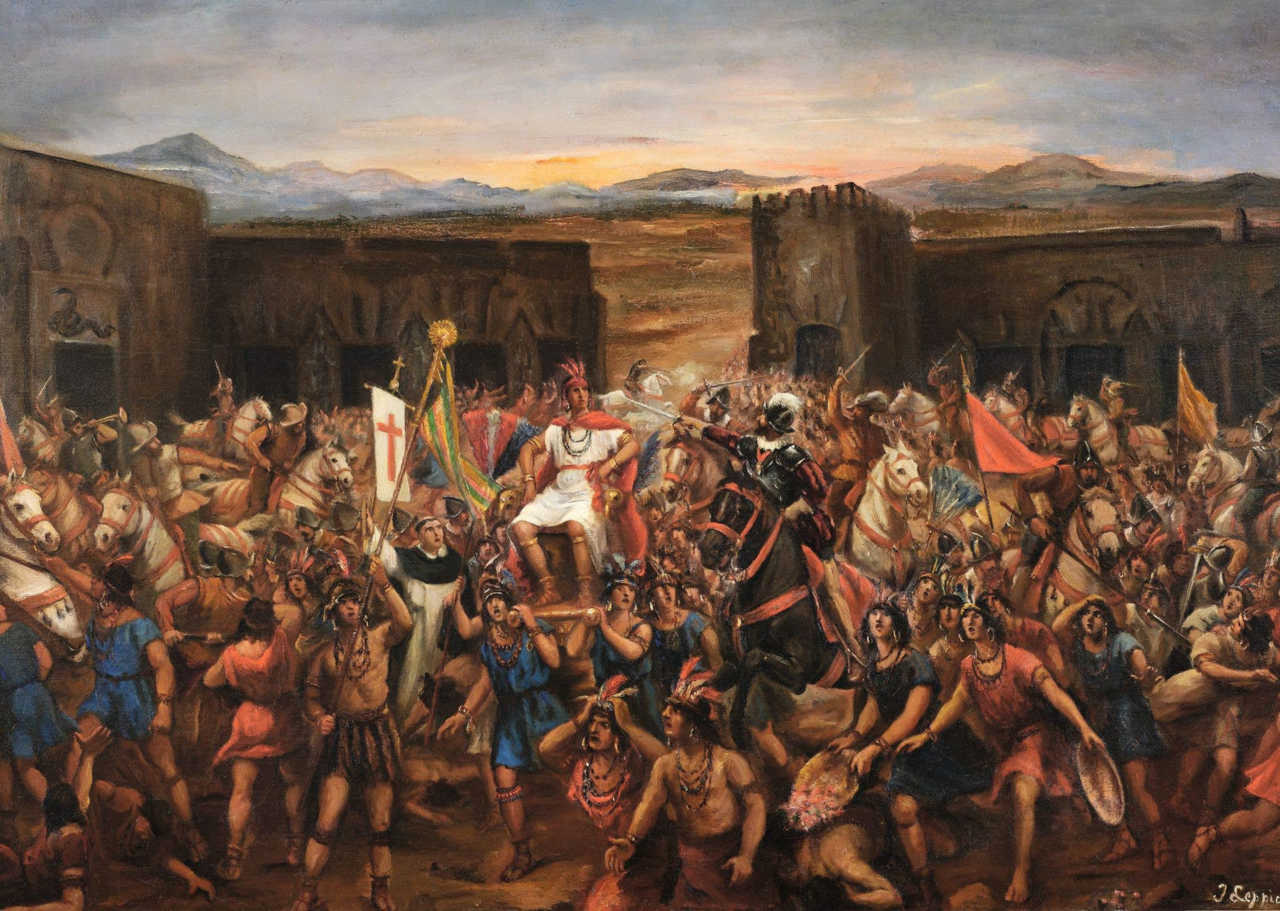
The civil war involved a sequence of marches and pitched encounters rather than a single decisive battle. Atahualpa’s forces gradually gained the upper hand, routing armies loyal to Huáscar and capturing key centers. By 1532 Atahualpa had effectively reunited much of the empire, and Huáscar was taken prisoner. Shortly afterward Atahualpa was confronted by European newcomers: he was captured and later executed by the Spanish, events that unfolded in close chronological proximity.
Consequences and interaction with the Spanish conquest
The civil war left the imperial structure weakened: resources were depleted, many local leaders had chosen sides, and central authority was fragmented. These conditions reduced coordinated resistance when conquistadors arrived. Exploiting divisions, Francisco Pizarro and his companions captured Atahualpa and used political fractures to establish Spanish control over vast Andean territories.
Legacy and notable points
- The conflict illustrates how succession disputes can destabilize even highly organized states.
- It accelerated social and political change in the Andes and altered the balance of power at a critical historical moment.
- Historians study the war to understand the interplay of internal divisions, disease-related population shocks, and European expansion.
For further reading, consult archaeological, ethnohistorical, and documentary sources that examine campaigns, regional politics, and the consequences for indigenous governance structures. Primary narratives were written down by chroniclers after the Spanish conquest and remain important but contested sources for reconstructing events.
Related articles
Author
AlegsaOnline.com Inca Civil War (War of Succession between Huáscar and Atahualpa) Leandro Alegsa
URL: https://en.alegsaonline.com/art/46988