
Aplacophora: worm‑like, shell‑less molluscs of the deep sea
Aplacophora are small, vermiform, shell‑less marine molluscs with a mantle covered in calcareous spicules. Found worldwide, they illuminate molluscan evolution and benthic ecology.
Overview
Aplacophora is a group of small, exclusively marine molluscs notable for their wormlike shape and lack of an external shell. They occur in oceans worldwide, mostly on or within seafloor sediments from shallow waters to the deep sea. Rather than the familiar hard plate or shell, their bodies are covered with minute calcareous spicules (sclerites) that give texture and protection.
Image gallery
2 Images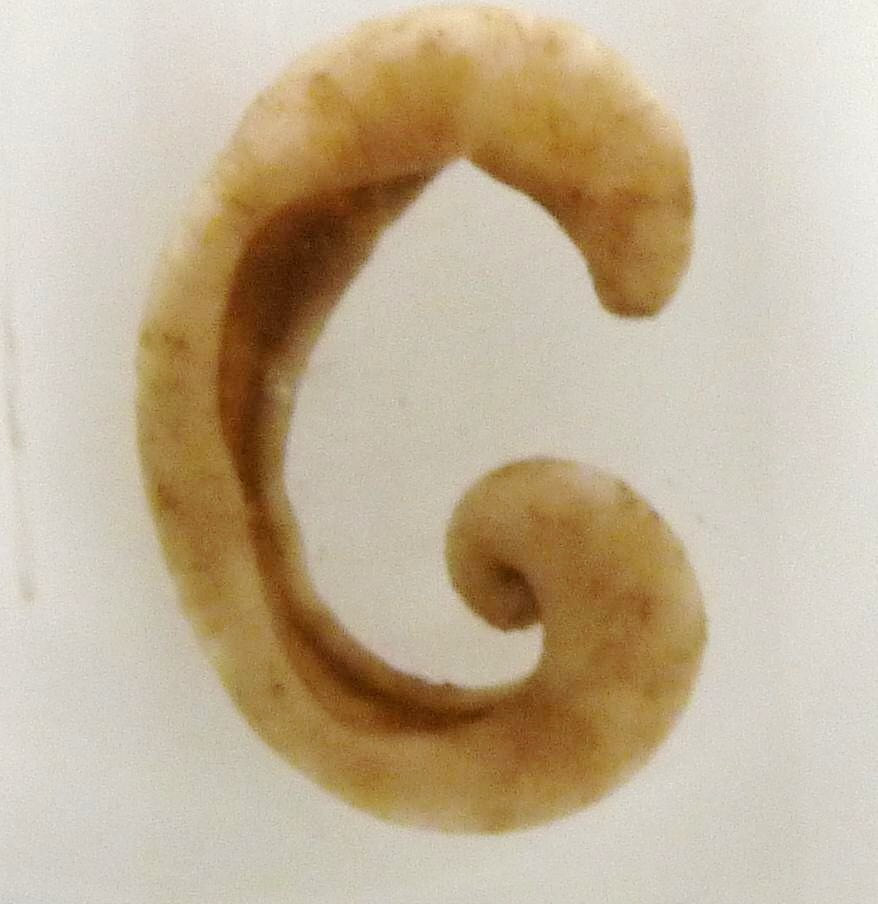
Key characteristics
Members of this group are elongated and usually only a few millimetres to several centimetres long. The typical features include a reduced or absent foot replaced by a ventral pedal groove, a mantle bearing sclerites, and a simplified mantle cavity. Many species possess a radula and a simple digestive system. Reproductive systems vary; some species are hermaphroditic while others have separate sexes.
Major subdivisions
- Caudofoveata (also called Chaetodermomorpha): mostly burrowing forms that live in sediment and feed on tiny particles and microorganisms.
- Solenogastres (sometimes Neomeniomorpha): typically epibenthic, often associated with cnidarians and capable of grazing on or preying upon sessile invertebrates.
These two lineages are frequently treated as the principal components of Aplacophora, though their exact relationships to other molluscan groups have been revised as molecular data accumulate. For an overview of current classification, see classification resources.
Ecology, behavior and importance
Aplacophorans occupy a variety of benthic niches. Some burrow and process sediment, contributing to nutrient cycling; others graze on or consume cnidarians, bryozoans or detritus. Their often cryptic lifestyles mean they are underrepresented in collections, but they are ecologically significant in many continental shelf and deep‑sea communities. Their anatomical simplicity and diversity also make them important for studies of molluscan evolution and development; researchers consult high‑quality surveys and primary literature at research portals.
History and evolutionary significance
Aplacophorans were long regarded as primitive molluscs because of their simple, unarmoured bodies. Modern phylogenetic work, however, supports a more nuanced view: they are part of a clade (Aculifera) that includes chitons and may represent a derived lineage that lost heavy armour secondarily. Their unique features—sclerites instead of shells and a reduced foot—offer insight into how diverse molluscan body plans evolved. Further details on anatomy and fossil context are discussed in specialist summaries at anatomy resources and paleontological overviews.
Because many species remain undescribed and specimens are difficult to sample, Aplacophora continues to yield surprises to taxonomists and ecologists. Their combination of specialized morphology, varied feeding strategies, and wide bathymetric distribution makes them a small but informative group within Mollusca.
Related articles
Author
AlegsaOnline.com Aplacophora: worm‑like, shell‑less molluscs of the deep sea Leandro Alegsa
URL: https://en.alegsaonline.com/art/4884
Sources
- ncbi.nlm.nih.gov : PMID 16675549
- pnas.org : pnas.org/cgi/pmidlookup?view=long&pmid=16675549