
Emancipation Proclamation
The 1863 executive order by President Abraham Lincoln declaring freedom for enslaved people in Confederate-held territories and reshaping the Civil War’s aims and aftermath.
Overview
The Emancipation Proclamation was an executive order issued by President Abraham Lincoln during the American Civil War. Announced as a preliminary measure in September 1862 and formally issued on January 1, 1863, it declared that persons held as slaves within the states then in active rebellion against the United States "shall be then, thenceforward, and forever free." The proclamation used the president's war powers as commander-in-chief and changed the character and stated purpose of the Union war effort.
Image gallery
10 Images


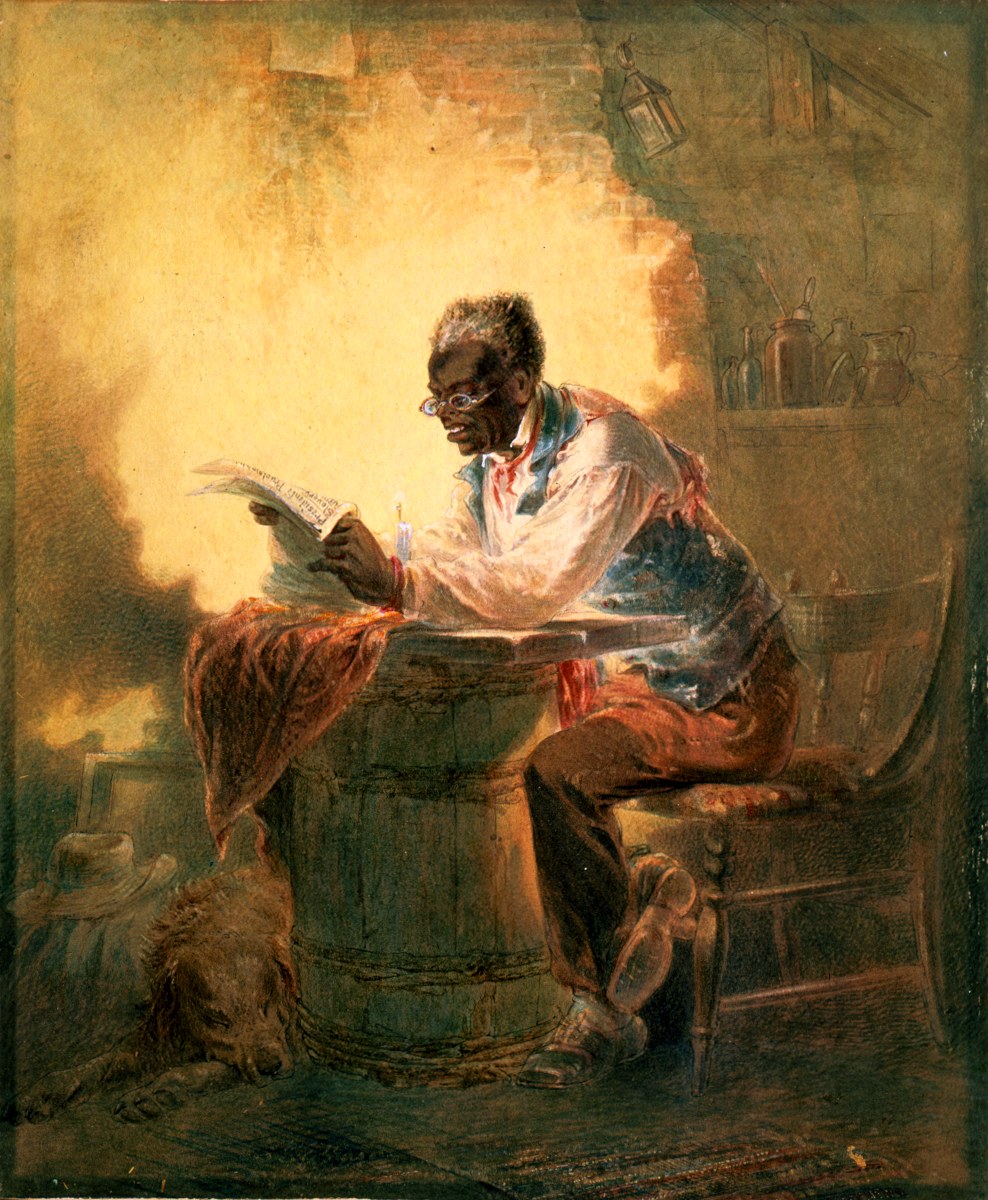


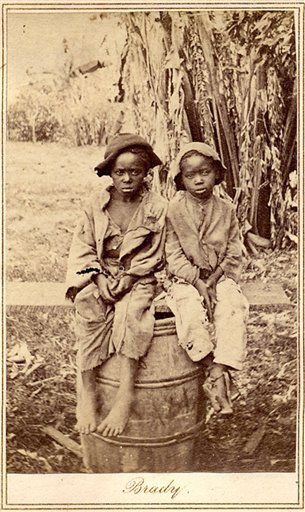


Legal basis and issuance
Lincoln framed the order as a military necessity. Acting under the constitutional authority granted to him as head of the armed forces, he issued emancipation as a war measure intended to weaken the Confederacy's ability to sustain armed resistance. It was not a legislative act and therefore did not abolish slavery throughout the nation; that role remained with Congress and the states until the adoption of the Thirteenth Amendment.
Scope and limitations
The proclamation applied specifically to enslaved people in states and districts in active rebellion against the federal government. It did not apply to certain areas that were not in rebellion or were already under Union control. Notable exceptions included the loyal border states and some occupied regions:
- It excluded the Border States that remained loyal to the Union and their laws, where slavery continued under federal toleration.
- It exempted specific regions under Union occupation at the time, such as parts of Tennessee, portions of Virginia, and areas of Louisiana.
- The proclamation therefore had limited immediate practical effect in many places because federal control over Confederate territory was incomplete.
Immediate effects and wartime consequences
Although it did not instantly free all enslaved people, the proclamation had important military and social consequences. As Union forces advanced into Confederate-held areas, many enslaved people left plantations and sought protection behind Union lines, effectively achieving freedom. The order also authorized the enlistment of Black men in the Union Army and Navy, increasing manpower and contributing to the eventual military defeat of the Confederacy.
Diplomacy and political impact
The Emancipation Proclamation also shifted international opinion. By making the abolition of slavery a clear Union aim, it reduced the likelihood that European powers such as England or France would recognize or support the Confederacy. Domestically, it strengthened the moral case against slavery and helped pave the way for congressional action that ended slavery nationwide.
Aftermath and legacy
The proclamation set the stage for permanent abolition by reorienting the government and public toward emancipation as an objective. It was followed by legislation and constitutional change culminating in the adoption of the Thirteenth Amendment, which constitutionally outlawed slavery. The order is widely remembered as a turning point in United States history: a wartime measure with enduring legal and symbolic consequences that reshaped citizenship, military policy, and national ideals.
Notable distinctions
- Authorization: Issued by the president under war powers, not by congressional statute.
- Geographic limitation: Applied only to areas in rebellion, not to all slaveholding jurisdictions under the federal government.
- Practical effect: Immediate in areas where Union forces could enforce it; broader in consequence as territory was occupied and as policy shifted toward abolition.
For more detailed primary texts and analysis, consult standard historical editions and collections that reproduce the proclamation and surrounding documents.
Federal authority and the Union remained central to debates over emancipation and reconstruction in the war's aftermath.
Original proclamations and related orders can be studied in archival collections and annotated sources available through historical repositories and scholarly editions. Additional context about regional exceptions and implementation can be found in focused studies of Virginia, Louisiana, and other affected areas.
Questions and answers
Q: What was the Emancipation Proclamation?
A: The Emancipation Proclamation was an order by U.S. President Abraham Lincoln to free slaves in 10 states during the American Civil War.
Q: How many slaves were freed immediately?
A: At least 20,000 slaves were freed immediately as a result of the Emancipation Proclamation.
Q: How many slaves were eventually freed as a result of the proclamation?
A: Nearly all 4 million slaves (according to the 1860 United States census) were eventually freed as a result of the proclamation.
Q: Who had power to end slavery before 1865?
A: Before 1865, only the states had power to end slavery within their own borders.
Q: What role did Lincoln play when issuing the Proclamation?
A: Lincoln issued the Proclamation as a war measure in his role as commander-in-chief.
Q: What effect did it have on England and France's efforts to recognize Confederacy?
A: The Proclamation weakened efforts within England and France to officially recognize the Confederacy.
Q: Which states were not affected by this proclamation?
A: Five slave states (the Border States) which remained loyal to Union and areas within Virginia and Louisiana which Union forces already controlled were not affected by this proclamation.
Related articles
Author
AlegsaOnline.com Emancipation Proclamation Leandro Alegsa
URL: https://en.alegsaonline.com/art/31061
Sources
- archives.gov : "Featured Documents"