
Anti-lock braking system (ABS): function, components, history, and use
Overview of anti-lock braking systems (ABS): principles, main parts, development, benefits and limits, motorcycle variants, integration with stability systems, maintenance and driver considerations.
Overview
An anti-lock braking system (ABS) is a vehicle safety technology that helps prevent one or more wheels from locking during heavy or emergency braking. By detecting when a wheel is about to stop rotating and rapidly modulating brake pressure, ABS reduces sustained skids and helps the driver retain steering control. The system is standard on most modern cars, widely used on motorcycles and common on commercial vehicles.
Image gallery
8 Images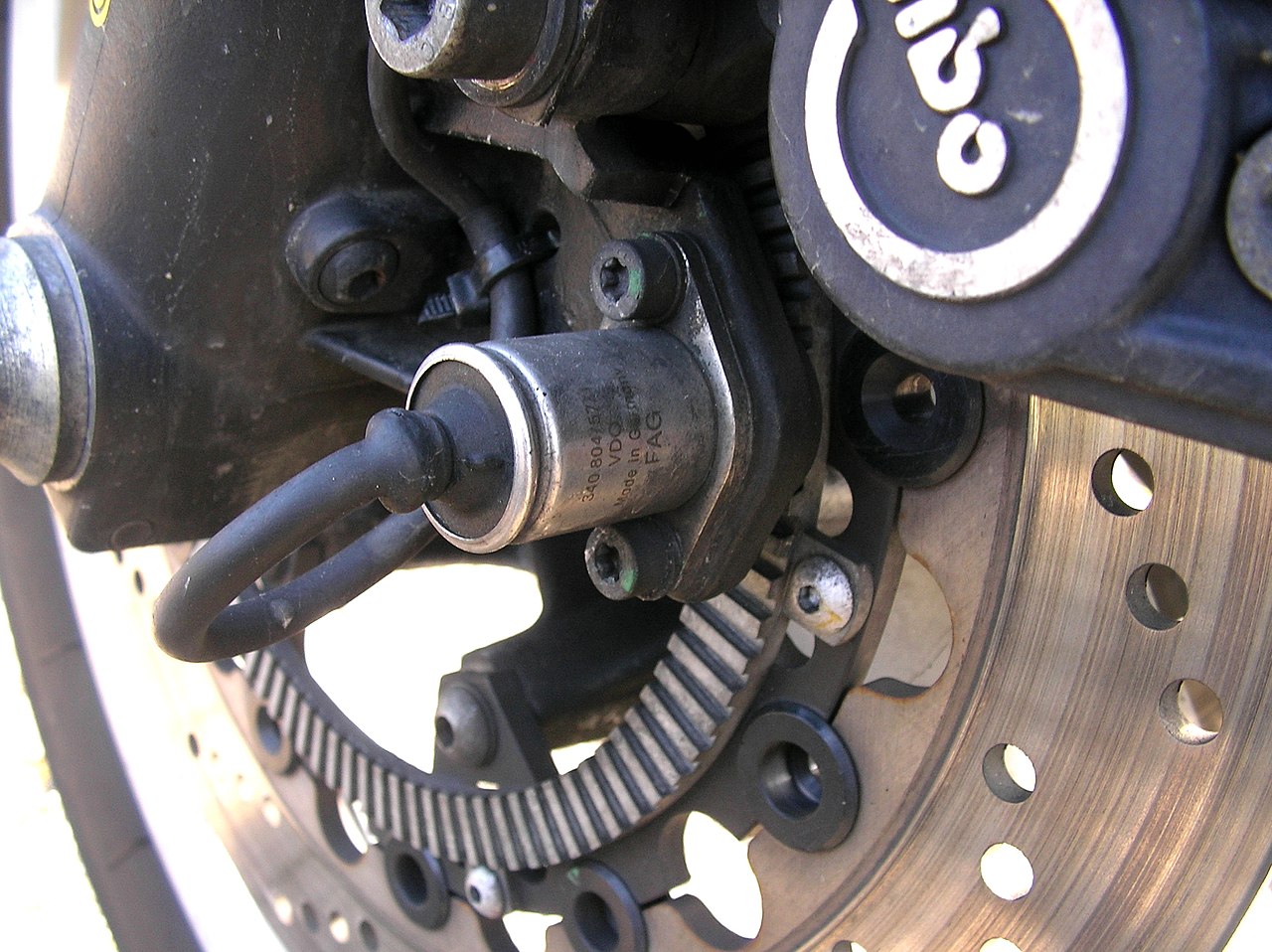



Core components and how ABS works
ABS combines sensors, an electronic control unit and hydraulic actuators. Typical parts include:
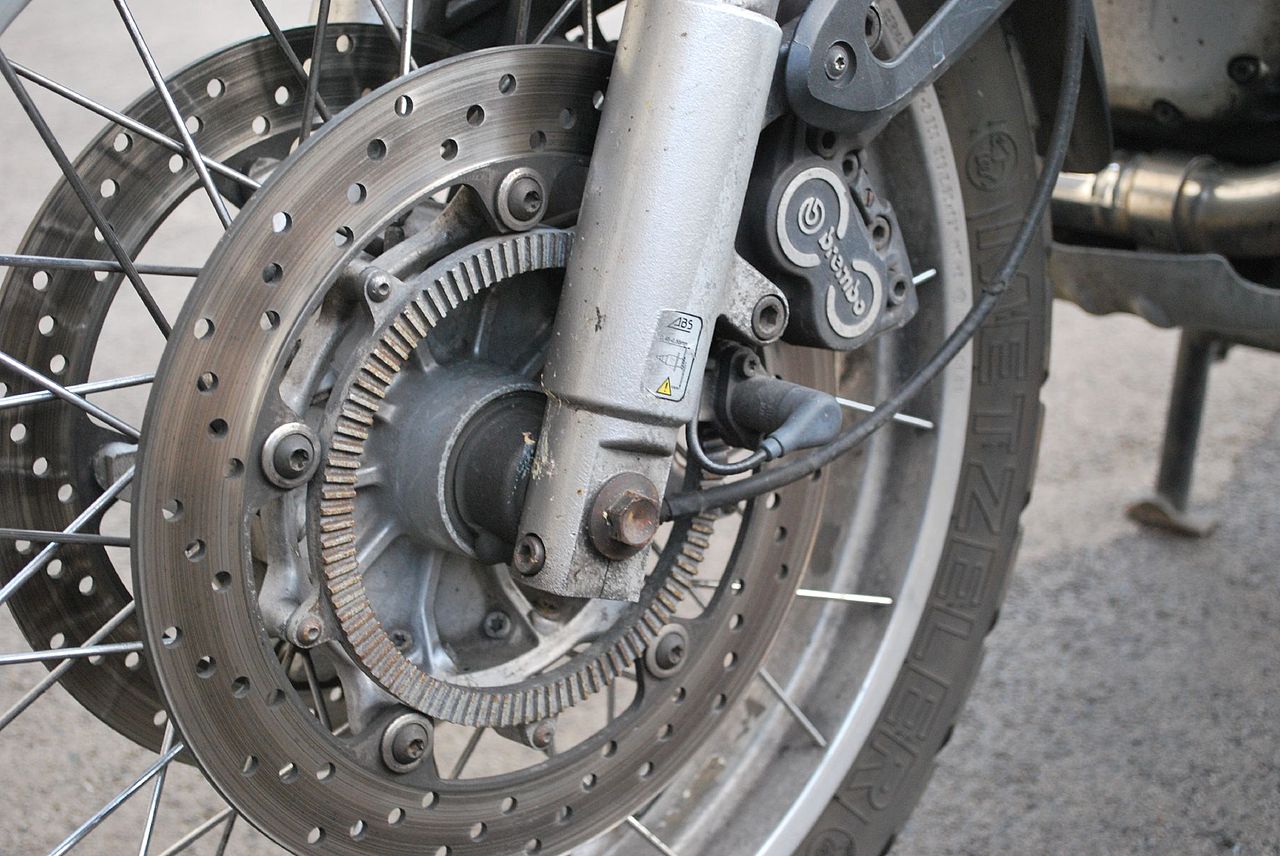
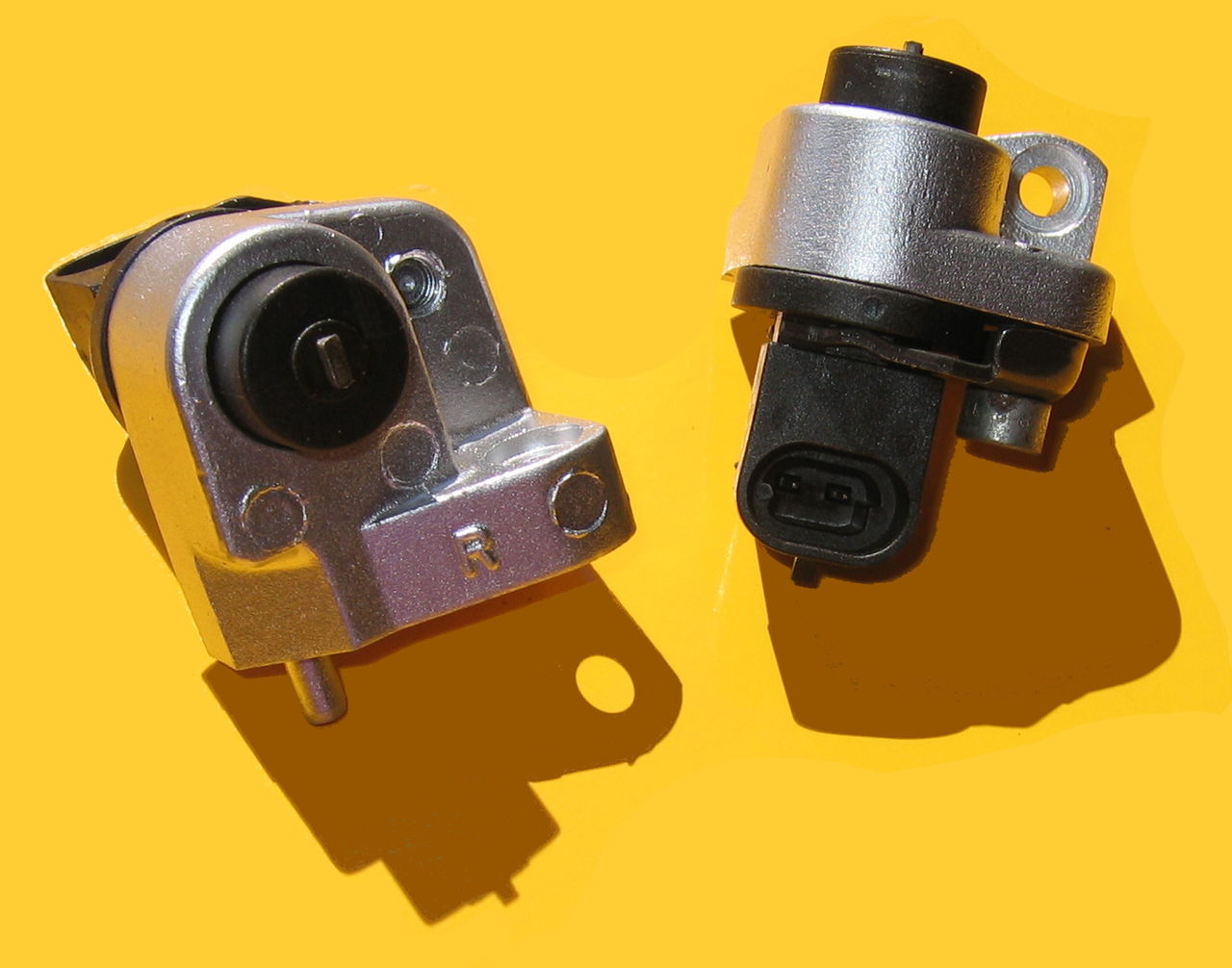
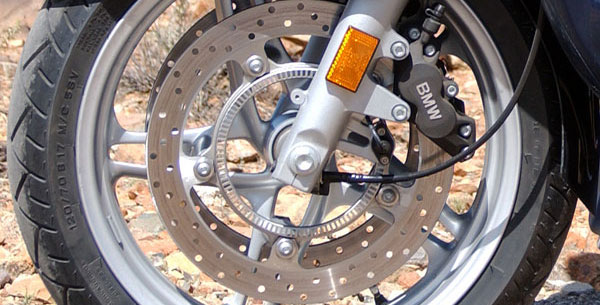
- Wheel speed sensors that measure rotational speed at each wheel and signal sudden deceleration.
- Electronic control unit (ECU) that analyses sensor data and decides when to intervene.
- Hydraulic modulator, valves and pump that relieve, hold or reapply brake pressure multiple times per second.
- Driver interface such as pedal feedback (often a pulsing sensation) and a dashboard warning lamp indicating faults.
When the ECU detects a wheel approaching lock-up, it closes or opens valves to reduce or restore pressure in rapid cycles. This prevents wheel lock while allowing the tyre to regain traction so the vehicle can still be steered. Different control strategies balance stopping distance and directional control.
Control strategies and sensors
Sensors may be magnetic, Hall-effect or optical, and the ECU uses algorithms to estimate slip and wheel behaviour. Some systems use individual control for each wheel, while simpler designs switch groups. Modern ECUs also monitor steering angle and yaw rate when integrated with stability functions.
Motorcycle and cornering ABS
Motorcycle ABS must account for different dynamics compared with cars. Cornering ABS variants use additional inputs (lean angle, gyroscopes) to allow safe braking while the bike is leaned over. These systems reduce the risk of low-side crashes caused by wheel lock during corner braking.
Integration with other systems
ABS technology is the foundation for traction control (which prevents driven-wheel spin) and electronic stability control (ESC), which helps maintain directional stability by applying brakes selectively. These systems share sensors and actuators and often operate together to manage complex loss-of-traction scenarios.
Effectiveness, limitations and proper use
ABS improves control and can shorten stopping distances on many paved surfaces, especially wet roads. However, on loose gravel, deep snow or soft surfaces, locked-wheel braking may sometimes provide comparable or shorter stops; ABS prioritises steerability rather than guaranteed minimum stopping distance in every condition. Drivers should maintain safe speed and tyre condition and practice emergency stops to understand ABS feedback.
Maintenance and diagnostics
Regular inspection of brake fluid, pads, tyres and wheel sensors keeps ABS reliable. A persistent dashboard warning light indicates a fault and may disable ABS, reverting to conventional braking. Fault codes readable by diagnostic tools help technicians locate sensor or hydraulic problems. Wheels and tyres remain primary contributors to braking performance; ABS does not increase inherent grip.
Adoption, regulation and training
ABS has become a mandated or recommended safety feature in many markets and is widely accepted as an effective safety aid. Driver education emphasises that ABS alters pedal feel and that controlled practice helps drivers respond appropriately. For more on component locations and steering concepts see wheels and general vehicle maintenance guidance.
Summary
ABS is a control system that preserves steering and stability by preventing wheel lock under heavy braking. It works through fast sensing and hydraulic modulation, forms the basis for traction and stability systems, and requires good tyres and maintenance to perform effectively.
Related articles
Author
AlegsaOnline.com Anti-lock braking system (ABS): function, components, history, and use Leandro Alegsa
URL: https://en.alegsaonline.com/art/4613