
Antonov An-2 — Soviet single-engine biplane utility aircraft (Colt)
The Antonov An-2 is a rugged Soviet single-engine biplane introduced after World War II for passenger, cargo and utility roles. Known for STOL performance and long service worldwide (NATO: Colt).
The Antonov An-2 is a large, rugged utility aircraft developed in the Soviet Union for both civilian and military use. Originally created to serve small regional routes, agricultural tasks and freight duties, the type bridged many roles as a simple, dependable workhorse. The design is often described as a classic Soviet utility airframe and has been used as an airliner, an cargo aircraft and a specialist platform; NATO assigned it the reporting name Colt.
Image gallery
10 Images





Characteristics and design
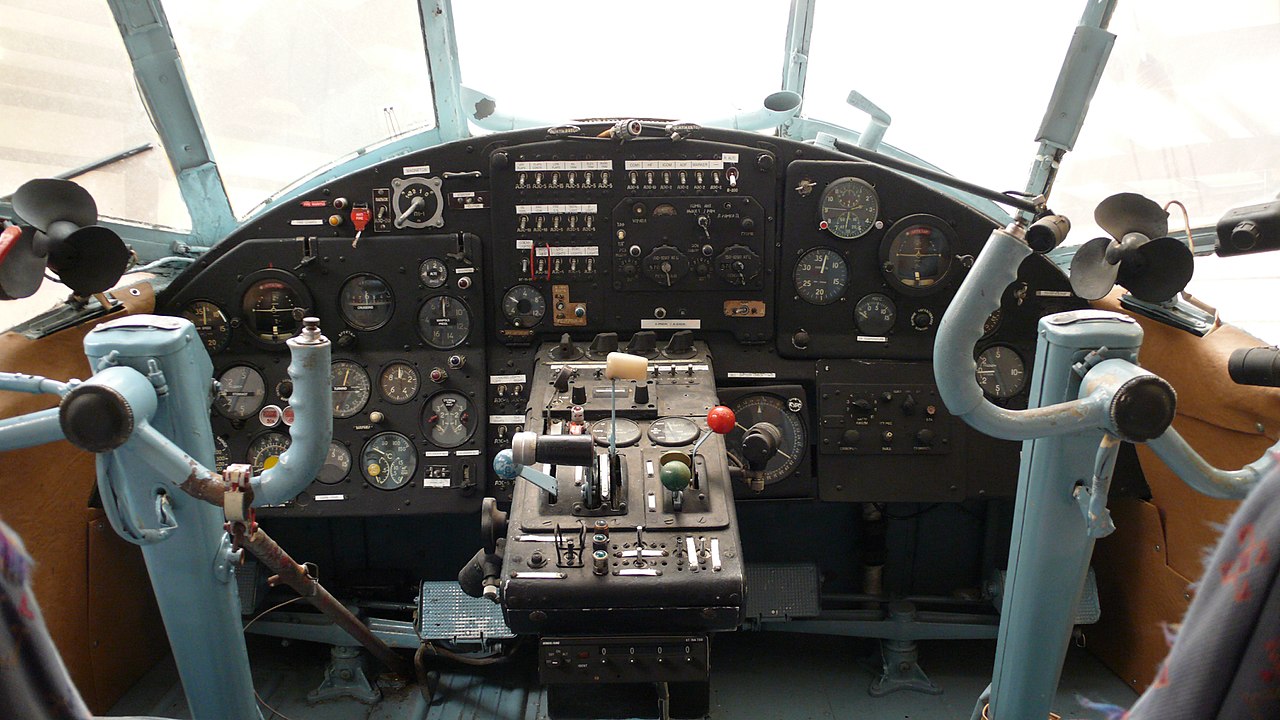
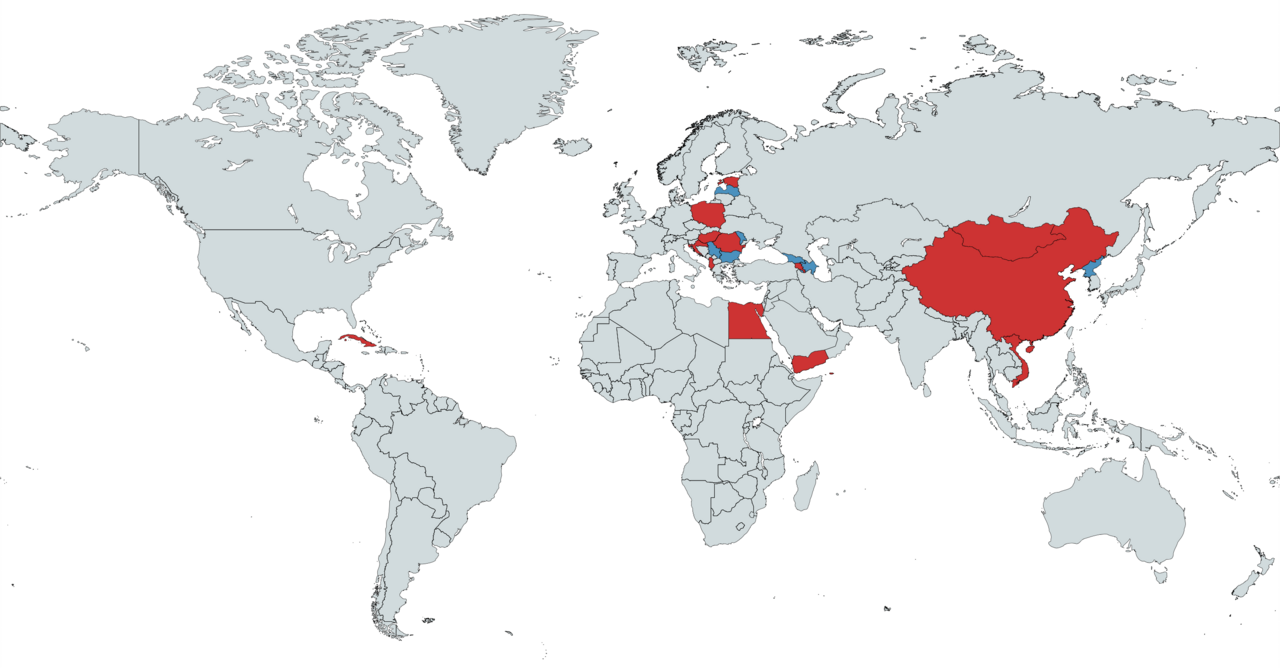
The An-2 is a single-engined, fabric-and-metal biplane with fixed landing gear and a large wing area, features that give it exceptional short takeoff and landing (STOL) capability. It is powered by a radial piston engine and was built to be easy to maintain from austere fields. Typical cabin layouts carry a small number of passengers — often described as carrying nine to eleven passengers in passenger configuration — or configurable for freight, aerial application, or parachute operations. The configuration is a conventional biplane, chosen to maximize lift at low speeds while keeping the aircraft structurally simple. Variants include floatplane and agricultural versions; China produced the type under licence as the Y-5.
History and development
Designed in the immediate postwar period, the An-2 first flew in the late 1940s and entered service as a versatile transport that could operate without prepared runways. The type was developed by the Antonov design bureau to meet rural and regional needs across the Soviet Union and allied countries after World War II. Its simple construction, low stalling speed and rugged undercarriage made it well suited to remote operations; production continued for many years and the type remained in widespread use far beyond its original era.
Roles and notable facts
Operators have used the An-2 for passenger and cargo transport, parachute training, forest firefighting, crop dusting, and liaison duties. Its slow-flight handling and forgiving stall characteristics make it popular for short-hop passenger services and hobbyist operators alike. As a single-engine aircraft with mixed construction and simple systems, it can be maintained with modest infrastructure, which contributes to its longevity in service around the world.
- Strengths: STOL capability, simplicity, flexible interior layouts.
- Limitations: relatively low cruise speed and single-engine profile compared with modern twins.
- Legacy: an enduring symbol of mid-20th-century utility aviation with many airframes still flying today.
Related articles
Author
AlegsaOnline.com Antonov An-2 — Soviet single-engine biplane utility aircraft (Colt) Leandro Alegsa
URL: https://en.alegsaonline.com/art/4775